


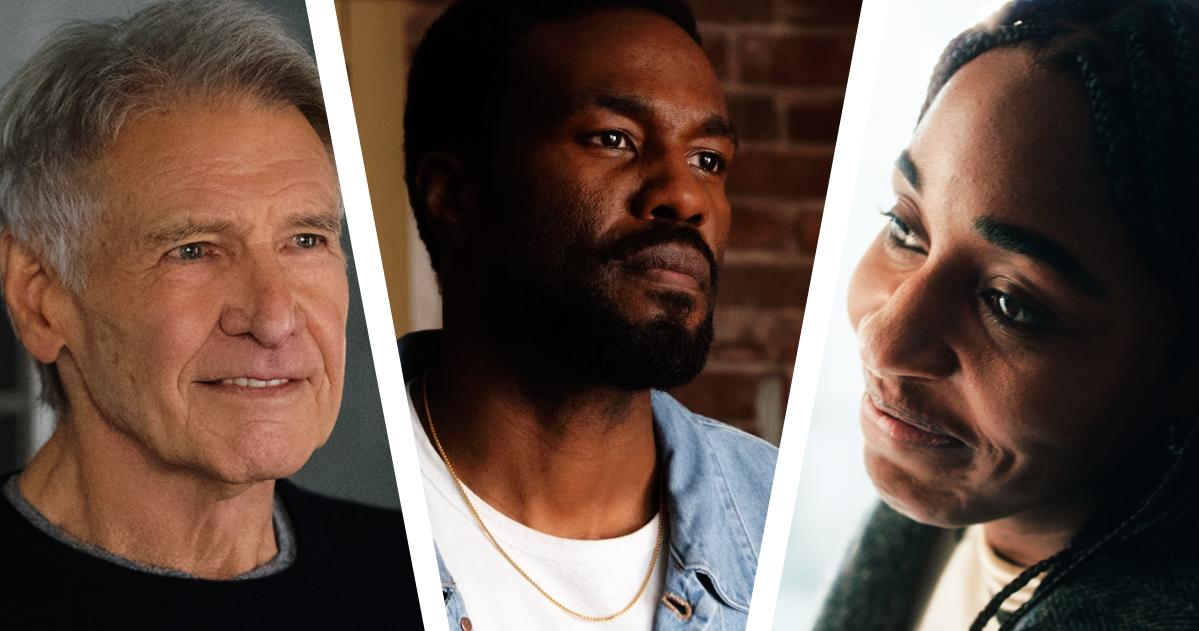
Some went for traumatized, others chose a meaty monologue, and many defaulted to their season finale.
Photo: Apple TV+/FX/Disney+
This week, we got a look at all the episodes the Emmy-nominated lead and supporting actors submitted to the Academy for consideration. Though the days of blue-ribbon panels are long gone, we can discern a lot about the nominees’ campaigns by which episodes they picked. Which performers submitted an episode where their character is in mourning or otherwise traumatized? Whose episodes feature grabby monologues? How many defaulted to submitting their season finale and called it a day?
The fact that acting nominees only submit one episode per performance feels very high stakes: One episode must make the best possible case that you deserve to win. Those episodes are then made available on the Emmys’ online portal. Ostensibly, the voters are required to watch all submitted for a given category before voting in it. That said, it’s more or less impossible to enforce this requirement. Voters could have watched these episodes when they originally aired or on streaming platforms prior to nomination day, after all. It’d be draconian to chain voters to the Emmy portal and make them watch episodes a second time just to vote. The voters are basically operating on the honor system, checking a box to attest that they really did watch all the submitted episodes before they vote.
Take a look at the submissions for The Pitt. Noah Wyle selected “9:00 P.M.,” the season finale where Dr. Robby finally externalizes what’s behind his day-long emotional meltdown. Taylor Dearden and Sepideh Moafi also opted for high emotional intensity in their submitted episodes; Mel King is freaking out over her sister keeping secrets from her, while Dr. Al-Hashimi might lose her position at the hospital due to her seizures. Other cast members submitted episodes that emphasized their characters’ compassion and capability. Fiona Dourif submitted the one where Dr. McKay treats an unhoused patient across the street; Katherine LaNasa selected the hour where Nurse Dana administers a rape kit to a traumatized victim of assault. Gerran Howell went with an episode where Dr. Whitaker gives a spiraling Ogilvie some sage advice. I’m working on a theory that Emmy voters will choose the Pitt cast members whose characters they’d most like to have as their own doctors or nurses. That bodes well for a second consecutive win for LaNasa, even if it doesn’t align with Wyle’s likely repeat win.
In poring over this year’s episode selections, I zeroed in on a handful of common attributes these episodes share. Each strategy has a proven track record of recent Emmys success. (I’m defining “recent” as anything from 2009 to 2025, since 2009 was the year they started expanding the acting categories past five nominees.) Some nominees chose wisely while others left me perplexed.
Track record: Since 2009, seven performers have won for their show’s series premiere. The most recent was Jason Sudeikis for Ted Lasso in 2021.
This year’s contenders:
• Yahya Abdul-Mateen II, Wonder Man: “Matinee”
• Rhea Seehorn, Pluribus: “We Is Us”
Who chose wisely: Seehorn had plenty of excellent episodes to choose from, but the Pluribus premiere puts her character through the wringer, letting her play notes of grief, confusion, and dark comedy. If she wins, she’d be the first person to win for a pilot in Lead Actress in a Drama since Glenn Close won for the Damages series premiere in 2008.
Track record: Compared to season premieres (ten acting wins since 2009), finales are far more successful when it comes to winning performers Emmys. Since 2009, a total of 23 actors in the comedy and drama categories have won by submitting season-finale episodes. Julia Louis-Dreyfus did it three times for Veep. Julia Garner did it twice for Ozark. Damian Lewis beat out the likes of Bryan Cranston, Jon Hamm, Steve Buscemi, and Michael C. Hall in 2012 by submitting the first-season finale of Homeland. Ben Mendelsohn’s surprise Supporting Actor in a Drama win for Bloodline in 2016 was for that show’s second-season finale.
This year’s contenders:
• Mark Ruffalo, Task: “A Still Small Voice”
• Chase Infiniti, The Testaments: “Secateurs”
• Elle Fanning, Margo’s Got Money Troubles: “Lock and Load”
• Carrie Coon, The Gilded Age: “My Mind Is Made Up”
• Harrison Ford, Shrinking: “And That’s Our Time”
• Julianne Nicholson, Paradise: “Exodus”
• Keri Russell, The Diplomat: “Schrodinger’s Wife”
• Rufus Sewell, The Diplomat: “Schrodinger’s Wife
• Noah Wyle, The Pitt: “9:00 P.M.”
• Sepideh Moafi, The Pitt: “9:00 P.M.”
• Shawn Hatosy, The Pitt: “9:00 P.M.”
Who chose wisely: Harrison Ford went with the finale of a season that had been building up to him saying “good-bye” to everyone on Shrinking, particularly Jimmy (Jason Segel), so watching him nail the episode’s emotional high point could be all he needs to win Supporting Actor in a Comedy. Meanwhile, Wyle and Hatosy won their first Emmys last year by submitting the finale, and they could very well enhance each other’s chances this year, considering the season-two finale features an emotional confrontation between Robby and Abbot.
Who might’ve slipped up: Both Keri Russell and Rufus Sewell submitted The Diplomat’s third-season finale, but while Russell is never less than a compelling screen presence, this particular episode is a better showcase for Sewell as Hal, her shitty, untrustworthy husband who once again does a shitty, untrustworthy thing, this time conspiring with the president against his own wife.
The track record: If the season finale is such a winning hand, you’d think the TV Academy would be throwing Emmys at anyone who submits a series-finale episode. But only five performers since 2009 have won for their show’s final episode (likely because the Emmys don’t always keep nominating shows through their last seasons): Kyle Chandler for Friday Night Lights in 2011, Jon Hamm for Mad Men in 2015, Matthew Rhys for The Americans in 2018, Peter Dinklage for Game of Thrones in 2019, and Dan Levy for Schitt’s Creek in 2020.
This year’s contenders:
• Jean Smart, Hacks: “Hacks”
• Hannah Einbinder, Hacks: “Hacks”
• Zendaya, Euphoria: “In God We Trust”
Who chose wisely: Smart and Einbinder are capping off their tandem run through Hacks’s final season by both submitting the finale episode, wherein Deborah Vance responds to a terminal cancer diagnosis by booking a Euro trip for her and Ava and planning to kill herself soon thereafter. Given how much mileage this season got out of Deborah and Ava being an unbeatable duo, a finale that focuses on how much they mean to each other could make it very easy for voters to award them both.
Who might’ve slipped up: Zendaya does excellent work, per usual, in the series finale of Euphoria. But given how poorly that series capper went over, her chances of winning a third Emmy are in some jeopardy.
Spoilers ahead, naturally.
The track record: You can only really pull this off once. The episode where your character kicks the bucket is one of those “all eyes on me” situations, and it gives the actor behind the deceased a pretty obvious showcase to present to Emmy voters. There’s also the implicit argument that you’d better award this actor now, because their performance won’t be coming back again. It’s a gambit that’s recently worked for Jennifer Coolidge on The White Lotus, Elizabeth Debicki on The Crown, and Anna Sawai on Shōgun.
This year’s contenders:
• Zendaya, Euphoria: “In God We Trust”
• Julianne Nicholson, Paradise: “Exodus”
Who chose wisely: Nicholson made her character’s villainy more complicated and multifaceted over the course of Paradise’s second season, and while she is said to be returning in season three (presumably in flashbacks), Sinatra’s death still carried a ton of emotional weight. I’d also say that despite the overall reactions to the Euphoria finale as mentioned above, Zendaya brought a ton of pathos to Rue’s final moments.
The track record: Actors dealing with big feelings of grief — either in immediate circumstances or long-delayed — in their submitted episodes have seen a fair amount of success over the years. Kieran Culkin’s Emmy win for Succession was for the episode where he broke down at his father’s funeral. Billy Porter (Pose), Sterling K. Brown (This Is Us), Lee Jung-jae (Squid Game), Julianna Margulies (The Good Wife), Julia Garner (Ozark), and Bryan Cranston (Breaking Bad) all won for episodes where their characters mourned the death of a loved one. (Yes, Walter White was the reason Hank was dead, but Cranston still performed grief.)
This year’s contenders:
• Lisa Kudrow The Comeback: “Valerie Faces Reality”
• Billy Crudup, The Morning Show: “The Parent Trap”
• Mark Ruffalo, Task: “A Still Small Voice”
• Tom Pelphrey, Task: “Vagrants”
• Rhea Seehorn, Pluribus: “We Is Us”
• Jessica Williams, Shrinking: “Depression Diet”
Who chose wisely: It probably says a lot about the tone of Task that Ruffalo and Pelphrey were able to submit two different episodes that each featured their characters experiencing a moment of heightened grief. Crudup must be serious about winning his third Emmy for The Morning Show if he’s submitting the episode where Cory Ellison’s mom dies. But this tactic is best deployed by Lisa Kudrow, who submitted “Valerie Faces Reality,” an episode that leads up to her finally unloading her pent-up grief about her dear, departed Mickey. It’s a moving yet still very funny episode, ending in Val scattering his ashes over the Warner Bros. back lot.
Who might’ve slipped up: Jessica Williams does a good job whenever Shrinking asks her to get emotional. Her season-three story line in which her patient (Sherry Cola) took her own life was a solid showcase. But submitting an episode this low on Gabby’s signature comedic energy is keeping Williams’s strongest attributes under wraps.
The track record: Similar to an episode that foregrounds a character’s grief, this type of episode submission features a character engaging with some kind of past or present trauma. Jean Smart’s most recent win for Hacks was for an episode (“I Love L.A.”) where Deborah Vance had a panic attack on the set of her late-night show. Allison Janney won an Emmy for the Mom episode where her character has a drug relapse. The second of Jeremy Allen White’s two Emmys for The Bear featured a Carmy breakdown in the kitchen. Jeff Hiller’s win last year was for an episode where his Somebody Somewhere character kept inexplicably breaking into tears. Kate McKinnon won the 2017 Supporting Actress in a Comedy Emmy by submitting the episode right after the first Trump election when she, in character as Hillary Clinton, performed a somber “Hallelujah.” If that wasn’t a trauma response, nothing was.
This year’s contenders:
• Noah Wyle, The Pitt: “9:00 P.M.”
• Matthew Rhys, Widow’s Bay: “The Inaugural Swim”
• Gary Oldman, Slow Horses: “Tall Tales”
• Nick Offerman, Margo’s Got Money Troubles: “Lariat Takedown”
• Stephen Root, Widow’s Bay: “Seasickness”
• Jason Segel, Shrinking: “The Bodyguard of Sadness”
• Martin Short, Only Murders in the Building: “Flatbush”
• Quinta Brunson, Abbott Elementary: “Night Out”
Who chose wisely: Wyle’s almost certainly going to win for submitting Dr. Robby’s big finale breakdown. Rhys gets to play Mayor Tom’s traumatic reactions to being stalked by a Sea Hag to great effect both comedically and horrifically. Well chosen episodes by both. But Offerman submitted his character’s most dramatic moment on Margo’s Got Money Troubles, a drug relapse that nearly costs his daughter her kid. Should the Supporting Actor in a Comedy category lean that heavily toward drama? That’s for the voters to decide. If they feel like rewarding pure comedy instead, there’s always Quinta Brunson on Abbott Elementary. While it’s probably overstating it a bit to call Janine’s post-breakup wilding out at the club a trauma response, Brunson is incredibly funny getting to play mean Janine.
Who might’ve slipped up: It’s not that Gary Oldman isn’t incredibly good in the Slow Horses episode where his Jackson Lamb recounts a story from his past that still haunts him. But as with everything he does on that show, it’s not nearly bombastic enough for him to win.
The track record: You could go back through the decades of Emmys history and find dozens of winning performances that featured rousing, episode- or season-defining monologues. In recent years, The Newsroom’s Jeff Daniels scored an upset Actor in a Drama win for delivering a classic Aaron Sorkin monologue, and — speaking of Sorkin — Viola Davis’s Emmy-winning episode for How to Get Away with Murder featured a courtroom monologue straight out of A Few Good Men.
This year’s contenders:
• Yahya Abdul-Mateen II, Wonder Man: “Matinee”
• Ayo Edebiri, The Bear: “Worms”
• Harrison Ford, Shrinking: “And That’s Our Time”
• Gary Oldman, Slow Horses: “Tall Tales”
• Stephen Root, Widow’s Bay: “Seasickness”
• Mark Ruffalo, Task: “A Still Small Voice”
• Gerran Howell, The Pitt: “7:00 P.M.”
Who chose wisely: Yahya Abdul-Mateen II submitted an episode where his character nails a monologue in an audition for a Wonder Man movie, a moment that invites all his fellow performers in the acting branch to put themselves in his shoes. Submitting that episode is just smart campaigning. But the best of these monologues belongs to Ayo Edebiri, whose spotlight episode from season four has her talking through her career and life options over a bubbling skillet of Hamburger Helper.
Who might’ve slipped up: It’s not so much a matter of submitting a bad episode, but Widow’s Bay’s Dale Dickey didn’t submit the episode where her character delivers an overhead-projector presentation on island genealogy that really was her season’s highlight. (She went with “Beach Reads,” an episode that unambiguously highlights her co-star and competitor Kate O’Flynn.)
This year’s contenders:
Michelle Pfeiffer, Margo’s Got Money Troubles: “Flamingos”
Michael Urie, Shrinking: “D-Day”
Chase Infiniti, The Testaments: “Secateurs”
Tyler James Williams, Abbott Elementary: “Trip”
Who chose wisely: Pfeiffer submitted her character’s wedding episode, a classic spotlight that affords her some great scenes opposite Elle Fanning and Nick Offerman as she traipses around Vegas trying to convince herself that marrying Greg Kinnear is what she wants. Urie submitting the Shrinking episode where Brian and his partner have a baby was very smart, as he gets to play Brian’s sharp neuroses and disarming sweetness at once.
Who might’ve slipped up: Tyler James Williams submitting the episode where Gregory and Janine break up is fine, but he’s a lot funnier in the next one — the one Quinta Brunson submitted — where Gregory can’t stop demanding a club DJ play “This Is Why I’m Hot.” Also, I understand why The Testaments and Chase Infiniti submitted the episode where her character finds out she’s June’s daughter, but the series premiere might have been more voter-friendly as an introduction to her character.
The track record: Getting voters to share in a character’s sadness is a time-tested Emmy-winning strategy but so is getting voters to stand up and cheer for a character’s victories. Jean Smart’s first win for Hacks in 2021 was for the episode “1.69 Million,” in which Deborah Vance got a scummy comedy-club owner to pay (literally) for his bad behavior. Rachel Brosnahan’s 2018 win for The Marvelous Mrs. Maisel was another case of Emmy voters awarding a triumphant stand-up set. Ebon Moss-Bachrach’s second win for The Bear was for an episode (“Forks”) where Richie showed he could hang on the level of a Michelin-star kitchen. Even on Succession, which provided so few moments of victory for its characters, Jeremy Strong won an Emmy for the episode where he publicly turned on his dad, and Matthew Macfadyen won for the episode where Tom Wambsgans successfully betrayed Shiv in order to win Logan’s favor. (Both season finales, too.)
This year’s contenders:
Carrie Coon, The Gilded Age: “My Mind Is Made Up”
Carlos Manuel Vesga, Pluribus: “The Gap”
Sterling K. Brown, Paradise: “A Holy Charge”
Elle Fanning, Margo’s Got Money Troubles: “Lock and Load”
Lisa Kudrow, The Comeback: “Valerie Faces Reality”
Patrick Ball, The Pitt: “7:00 P.M.”
Who chose wisely: Kudrow’s episode not only features a sentimental nod to Mickey, but it also gives Valerie a moment to actually be good at her job as she stands up for herself and tells Benito Skinner’s costume-designer character a thing or two about making sitcoms. Carlos Manuel Vesga submitted the Pluribus episode where Manousos treks up through South America while accepting no help from the hive members, a showcase of defiant pride and a good bit of physically demanding work. Also, what monster wouldn’t cheer on Carrie Coon in the episode where she gets Mrs. Astor to attend her party, striking a blow for divorced women everywhere?
Who might’ve slipped up: Sterling K. Brown made the classic episode-submission error of submitting an episode where another actor — in this case Shailene Woodley — is even more impressive.
The track record: The idea here is that there’s one episode that so loudly defines an actor’s work in a given season that it would be sheer lunacy to consider anything else; Bryan Cranston winning for “Ozymandias” or Sarah Snook and Matthew MacFadyen both winning for the Succession episode where Shiv and Tom have it out on the balcony of their Manhattan apartment qualify here. It doesn’t matter who lives or dies in the episode, or whether the character triumphs or is laid low. It’s the episode that as soon as it aired everybody said, “Hand them the Emmy now.”
This year’s contender:
• Kate O’Flynn, Widow’s Bay: “Beach Reads”
This isn’t to say that O’Flynn has the Supporting Actress in a Comedy award in the bag. She’s up against returning champion Hannah Einbinder and megawatt A-lister Michelle Pfeiffer. But Patricia’s Sunset Cocktails party, in all its desperation and dark magic and dancing and terror, was the whole Kate O’Flynn experience in one episode: silliness and sadness, with a demonic island twist. If she doesn’t win, it certainly won’t be for lack of a well-submitted episode.
