


The Indian government, facing hundreds of fake bomb threats against domestic airlines, has inquired Meta, the parent company of Facebook, Instagram, WhatsApp, and other applications, and X, formerly known as Twitter, to help hone in on the perpetrators of hundreds of fake bomb threats that have exploded in activity in the past few weeks.
Identifying authors of fake bomb threats
According to a report by the Press Trust of India (PTI), a domestic news agency, the Indian government has asked Meta and X, formerly known as Twitter, to provide data about potential perpetrators of the fake bomb threats.
The government has already started identifying those responsible, PTI added, noting that in the past 11 days, over 250 Indian airlines’ flights have been targeted by fake bomb threats, which were largely published on Meta and X’s, formerly known as Twitter, products.
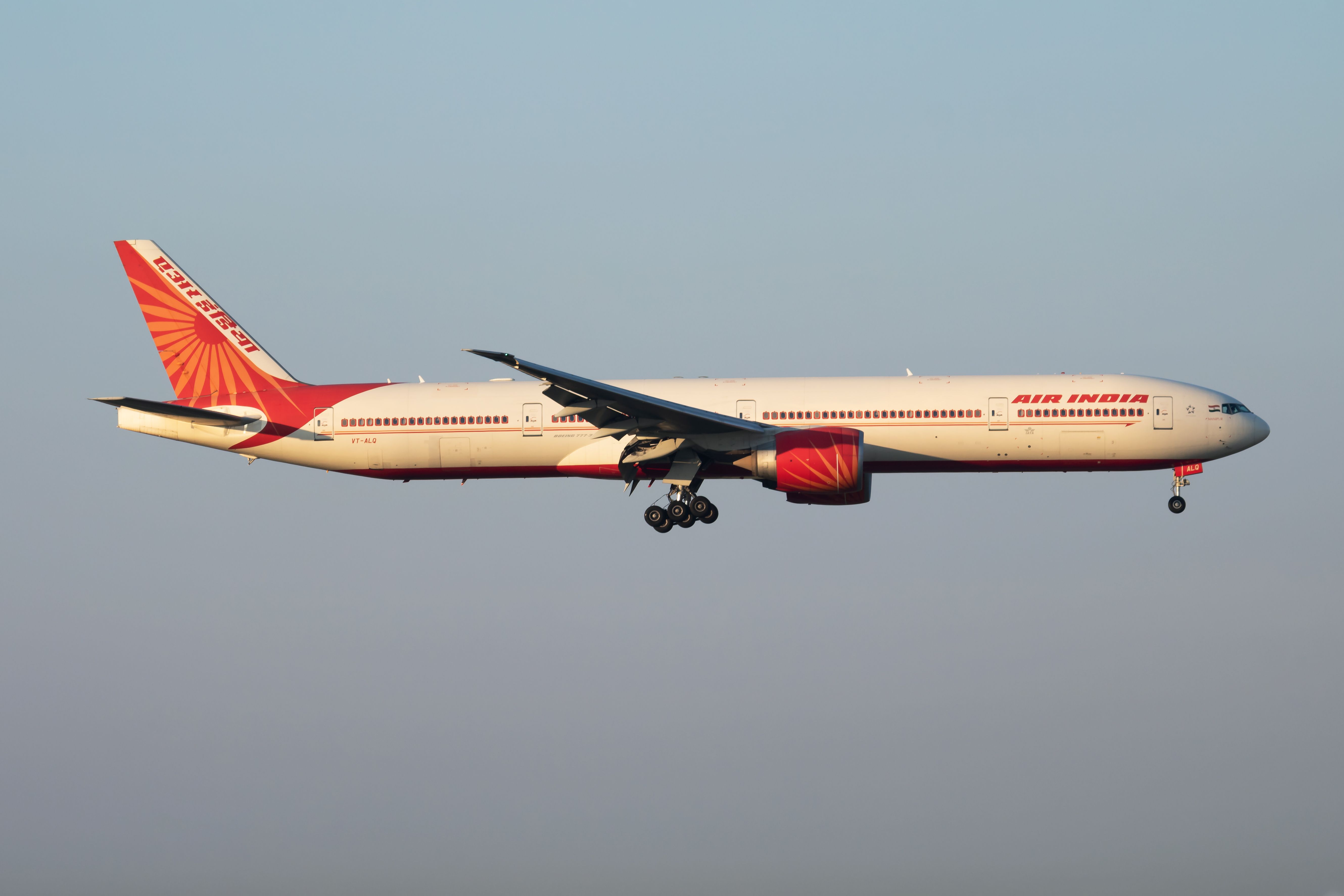
Photo: Soos Jozsef | Shutterstock
Previously, Kinjarapu Ram Mohan Naidu, the minister of civil aviation of India, said that the Indian government would take action against these individuals, including potentially adding them to a no-fly list, according to a report by The Hindu.

Related
Indian Airlines Plagued By +100 Hoax Bomb Threats In A Week
Some miscreants are keeping Indian airlines and aviation authorities on their toes, but they must soon be caught.
Impacting numerous flights
The bomb threats against Indian airlines’ itineraries have picked up since at least October 14, with multiple threats being made against the country’s carriers daily.
On October 25, more than 25 domestic and international flights operated by Indian airlines received bomb threats, the PTI reported, which was on top of the 75 flights that were threatened a day prior, according to the news agency.
Data from the aviation analytics company Cirium showed that India’s 12 main airlines – based on the market share data provided by the Indian Directorate General of Civil Aviation (DGCA) – have scheduled 26,254 weekly departures in October.
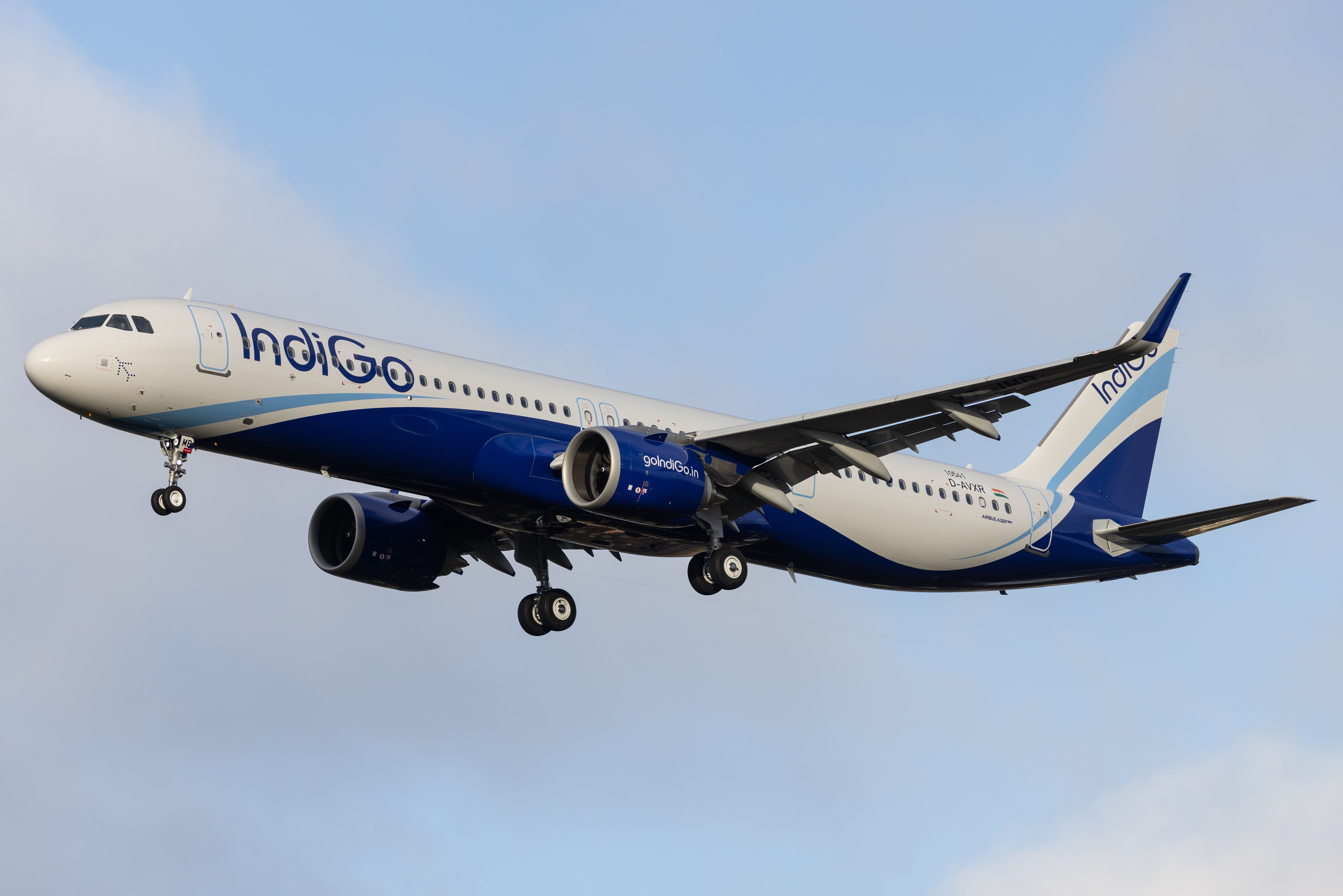
Photo: Kevin Hackert | Shutterstock
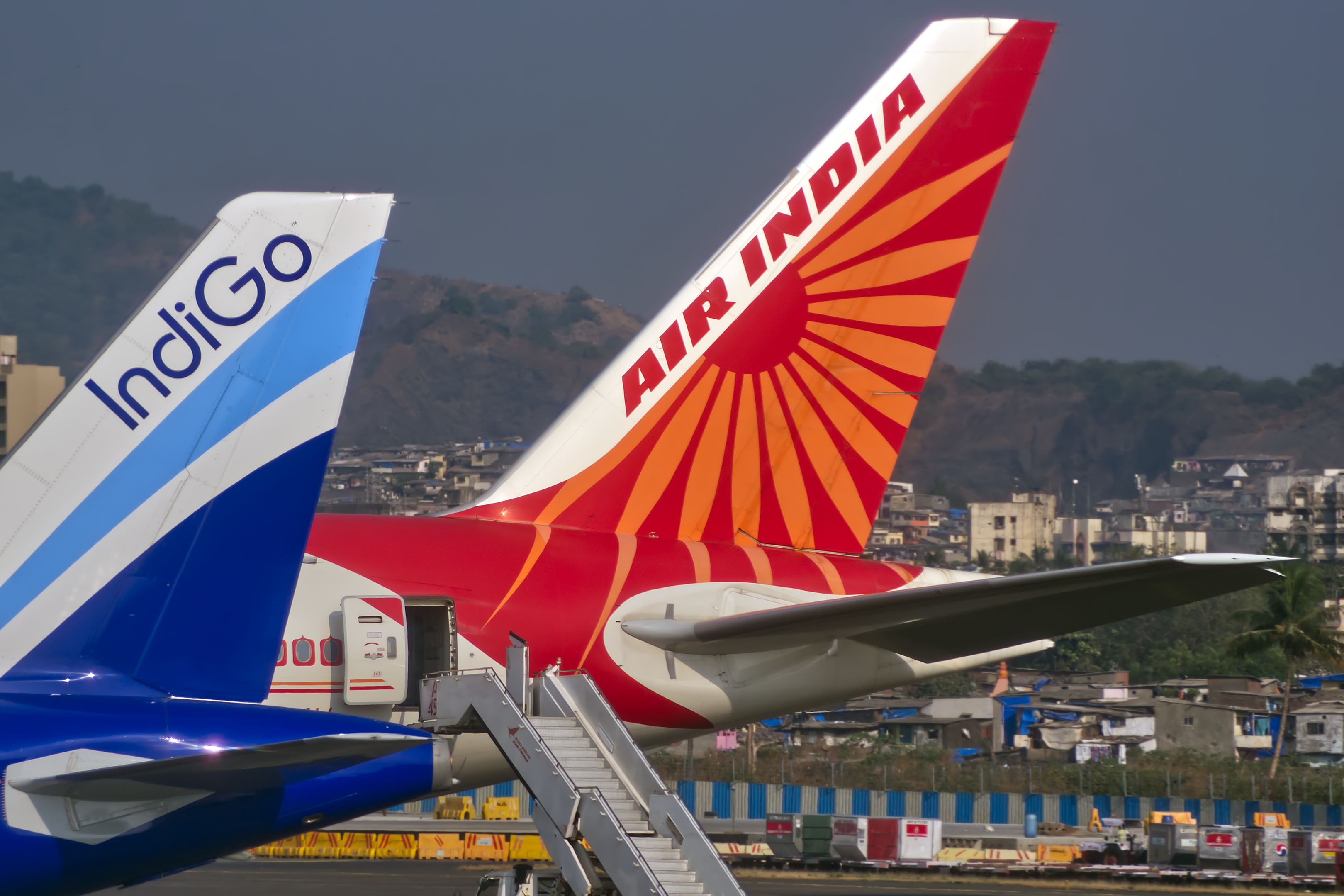
This includes 3,808 weekly flights on Fridays, the busiest of all weekdays for all India-based carriers. IndiGo is the busiest airline by a far margin, with the low-cost carrier scheduling 15,087 weekly departures in October, while the second and third-busiest airlines were Air India and Air India Express, with 3,157 and 2,885 weekly departures, respectively.
Related
Multiple Bomb Threats Ground Indian Airplanes Triggering Increased Security Measures
Almost all major Indian Carriers faced bomb threats in one day.
Flight diversions
As a result of the continuing bomb threats, airlines have had to divert numerous domestic and international flights, resulting in an operational and financial domino effect that has affected hundreds of flights.
This includes itineraries from/to the United States. For example, Air India flight AI127 from Delhi Indira Gandhi International Airport (DEL) to Chicago O’Hare International Airport (ORD) had to divert to Iqaluit Airport (YFB), Canada, due to a bomb threat, which was confirmed by the airline, according to India Today.
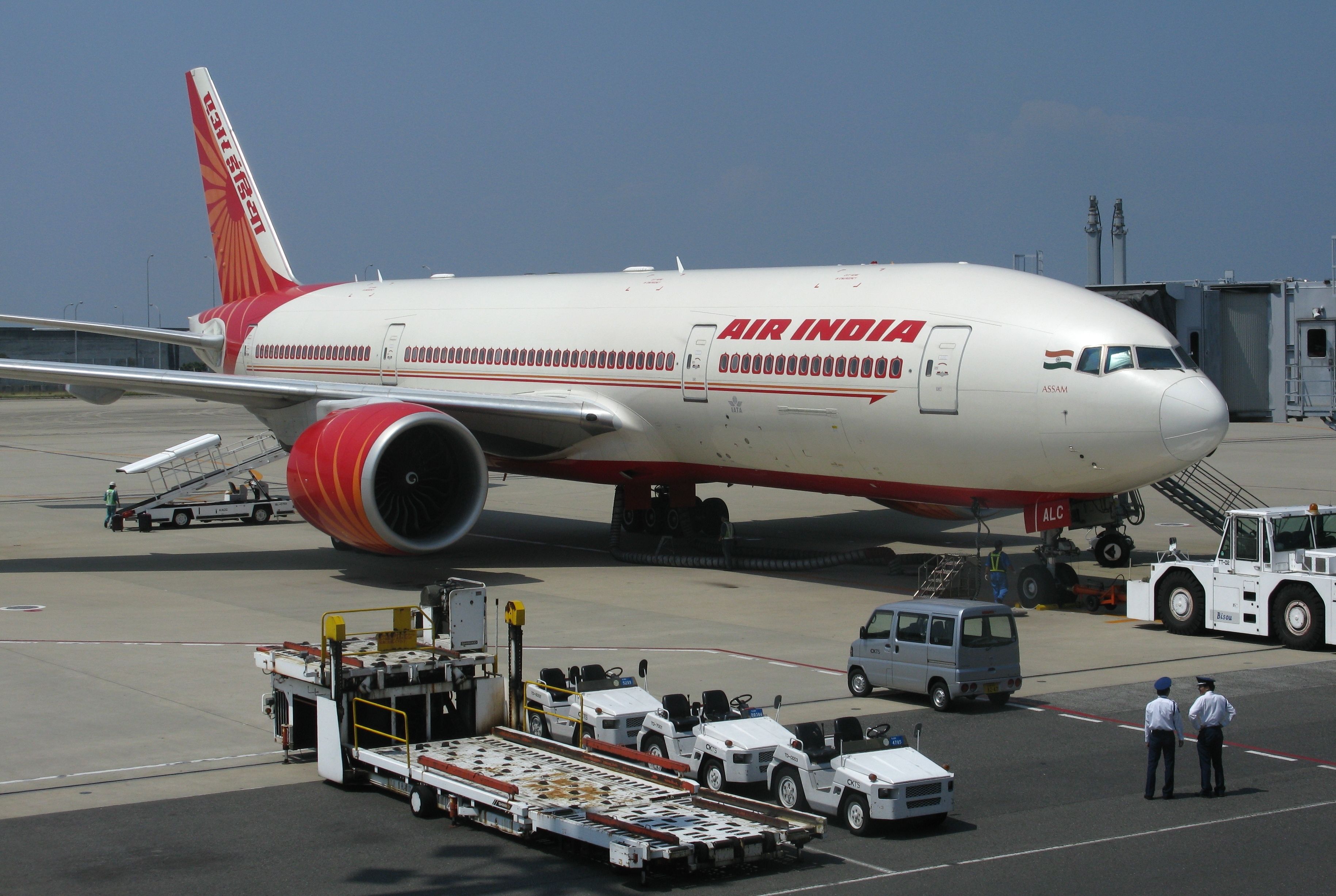
Photo: yanchi1984 | Shutterstock
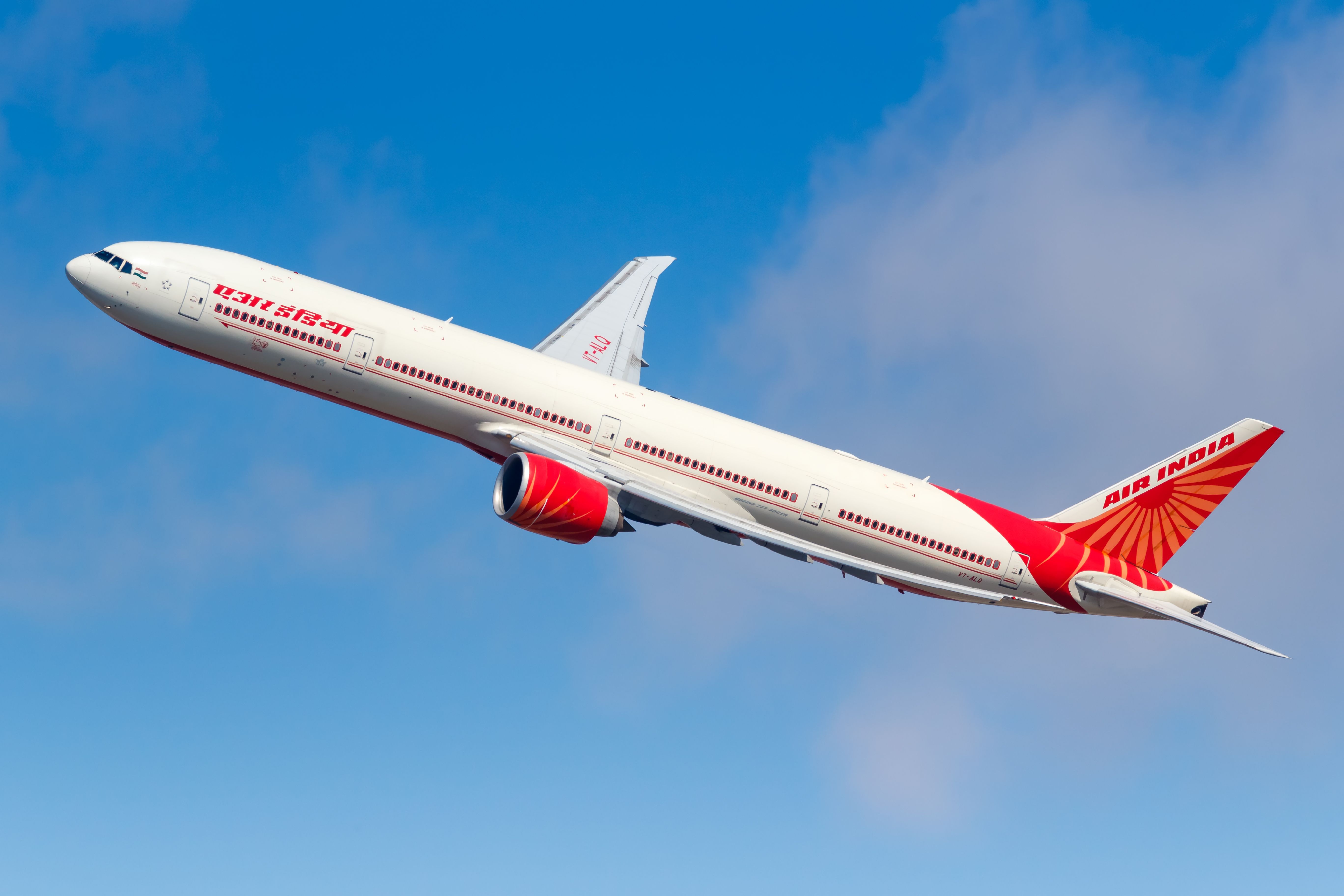
Another example includes flight AI119, with the Air India Boeing 777-300ER being forced to divert from its typical flight path between Mumbai Chhatrapati Shivaji International Airport (BOM) and New York John F. Kennedy International Airport (JFK) to Delhi Airport.
The aircraft, an Air India 777-300ER, registered as VT-AER, diverted to Delhi on October 14, leaving the airport only two days later on a flight to Toronto Pearson International Airport (YYZ).
Related
New York-Bound Air India Boeing 777 Diverts To Delhi Following Alleged Bomb Threat
The Air India Boeing 777-300ER was still on the ground several hours after the diversion to Delhi.
