


Recent exemption requests from  Boeing have shown how the aircraft manufacturer has to navigate certain parts of the Code of Federal Regulations (CFR) to sell and/or market its products outside and inside the United States.
Operating dealer-registered aircraft outside the US
In one exemption request that Boeing filed with the Federal Aviation Administration (FAA) on November 18, the aircraft manufacturer petitioned the regulator to extend an exception that had been granted to the company since at least January 8, 1982.
The filing read that the FAA has previously granted exemptions to certain dealer’s aircraft registration certificate regulations, which have allowed Boeing to conduct flight testing and sales demonstrations outside the US using its aircraft registered under Boeing’s dealer’s aircraft registration certificate.
The specific CFR subpart stated that such certificates are issued to US-based aircraft manufacturers to allow them to operate test flights and demonstrational or merchandising aircraft without having to obtain a certificate of aircraft registration.
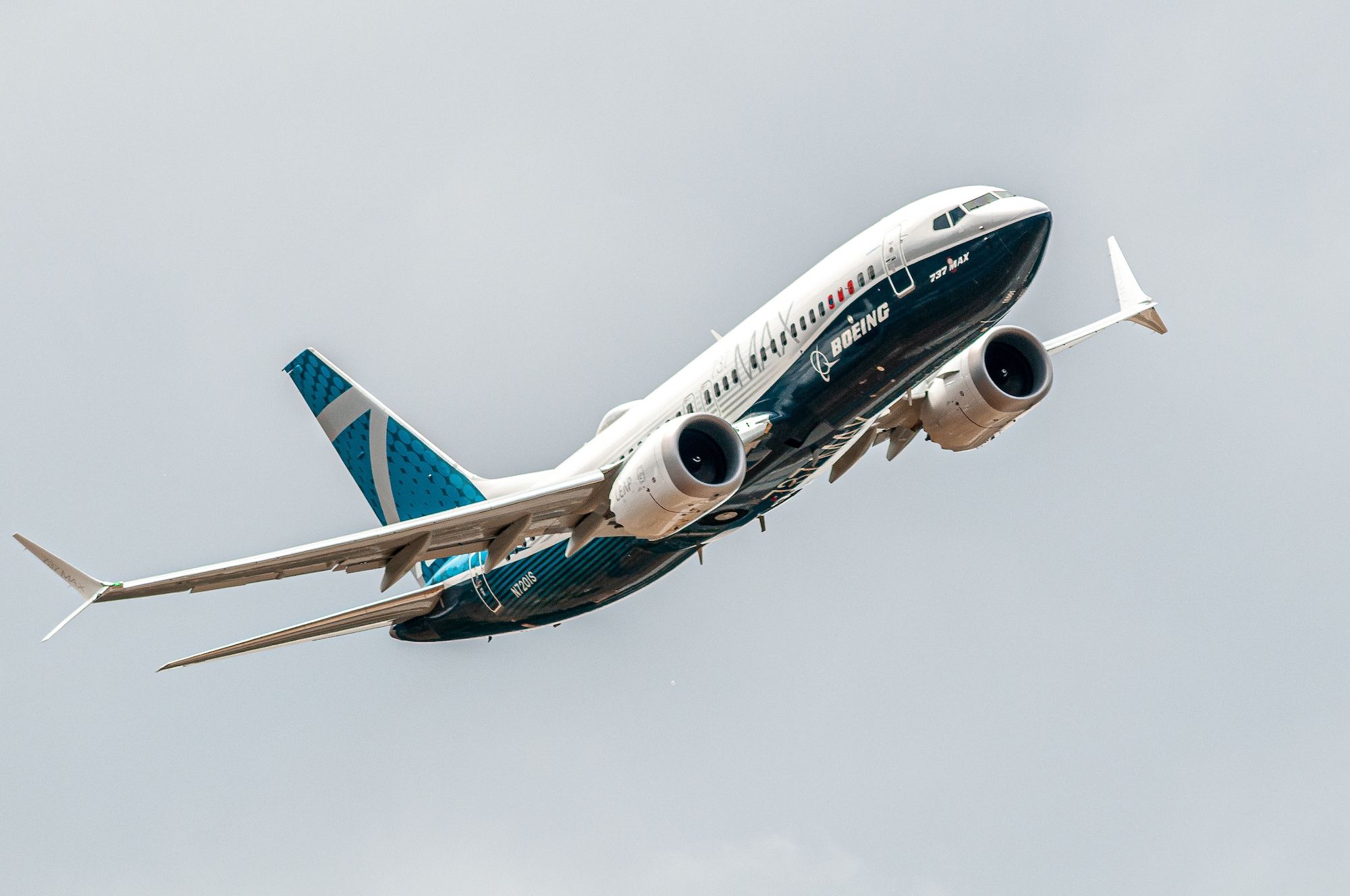
Photo: Wirestock Creators | Shutterstock
There are limitations to these certificates, including the fact that such aircraft can only be operated in the US unless the aircraft is being delivered to a foreign entity.
“However, a prospective buyer may operate an aircraft for demonstration purposes only while he is under the direct supervision of the holder of the Dealer’s Aircraft Registration Certificate or his agent.”
When Boeing originally petitioned for the exemption in 1982, it said that as a manufacturer and seller of large commercial aircraft, it sometimes has to operate aircraft outside the US. This included demonstration flights and displays in foreign countries.
“For example, to obtain either hot or cold weather may require us [Boeing – ed. note] to go outside the US to obtain the required conditions. This flexibility is reflected in lower overall costs to our customers.”
In addition, the aggressive pursuit of new customers will create jobs and tax revenues, Boeing added.
When the FAA granted its last exemption in April 2023, the regulator refused to grant a five-year extension and instead approved a two-year one due to Boeing’s failure to show that it was in the public interest and allowing the regulator to evaluate both the circumstances necessitating the exemption and the safety of operations of aircraft operated under a dealer’s certificate.
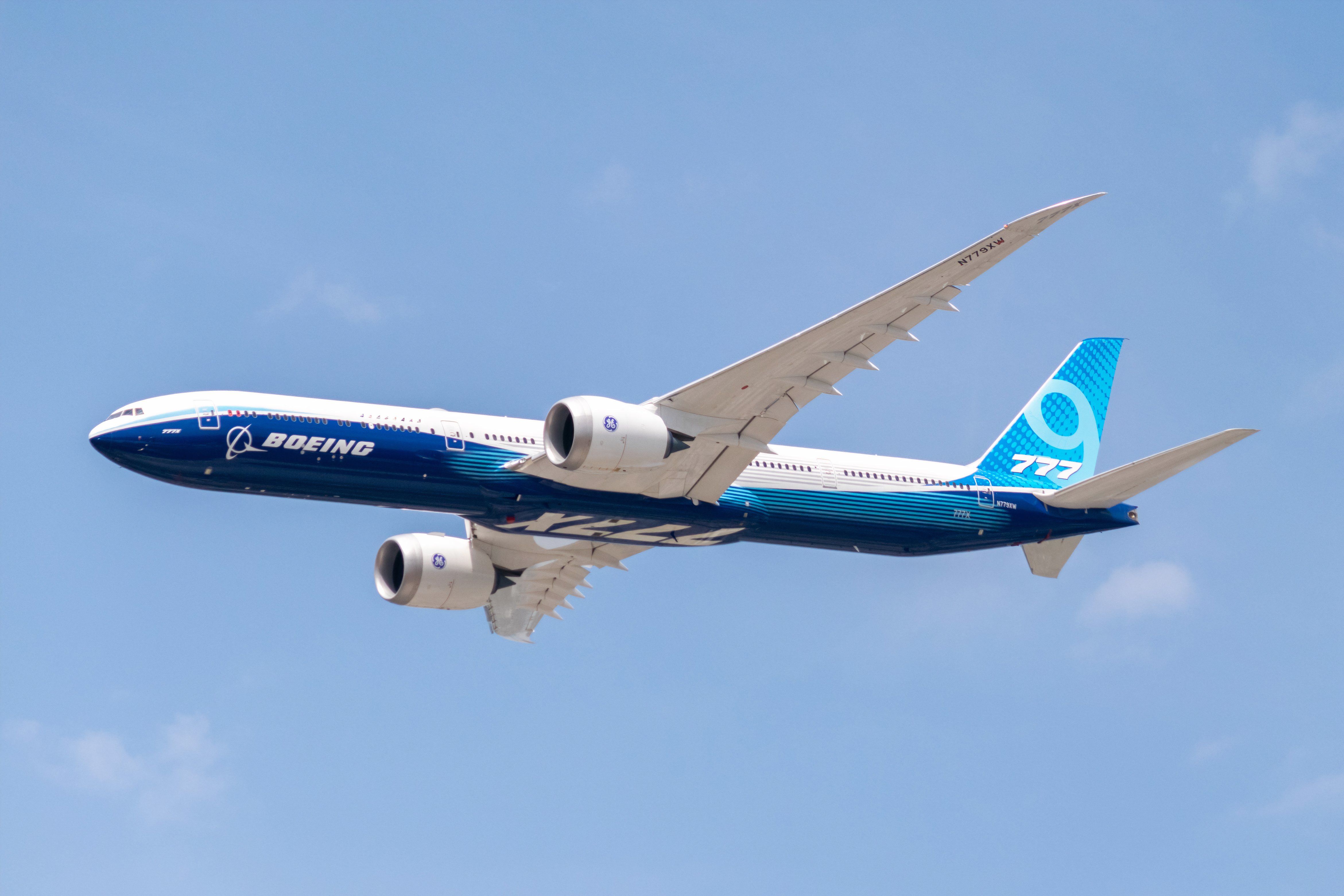
Photo: Tom Boon | Simple Flying
The FAA also attached certain conditions and limitations, including Boeing having to obtain permission from host countries to operate aircraft without a standard airworthiness certificate.
Amidst the machinists’ strike that lasted from September 13 to November 4, when members of the International Association of Machinists and Aerospace Workers (IAM) District Lodge 751 and District W24 voted to approve the contract, Boeing’s cost-cutting measures included minimizing appearances at airshows and other aerospace industry events.
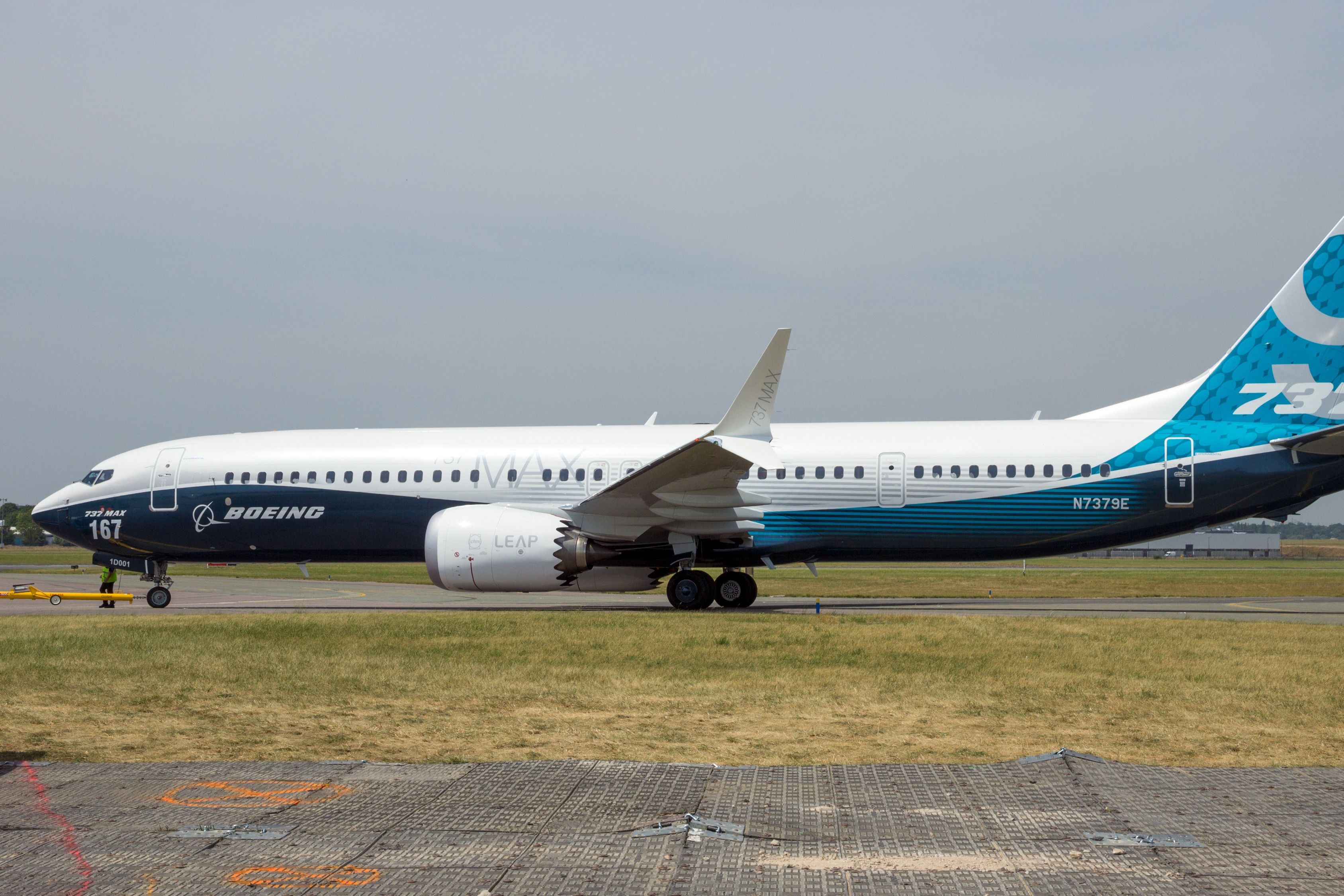
Related
Boeing CFO Details Cash-Conserving Measures In Companywide Memo Amid Ongoing IAM Strike
Among the initiatives, all employees will no longer be able to fly in first or business class if traveling essentially on company dime.
Foreign airlines’ pilots participating in customer acceptance flights
On the same day, Boeing filed another exemption extension request, which was tied to foreign carriers’ pilots’ ability to obtain a private pilot certificate based on their licenses in their respective countries to allow them to participate in customer demonstration flights as the second in command (SIC), also known as a first officer.
“As described in the prior petitions for exemption, […] renewal of Exemption 18767 will enhance Boeing’s ability to accomplish customer demonstration flights by removing the requirement for customer pilots to take the FAA Instrument written test with no reduction in safety.”
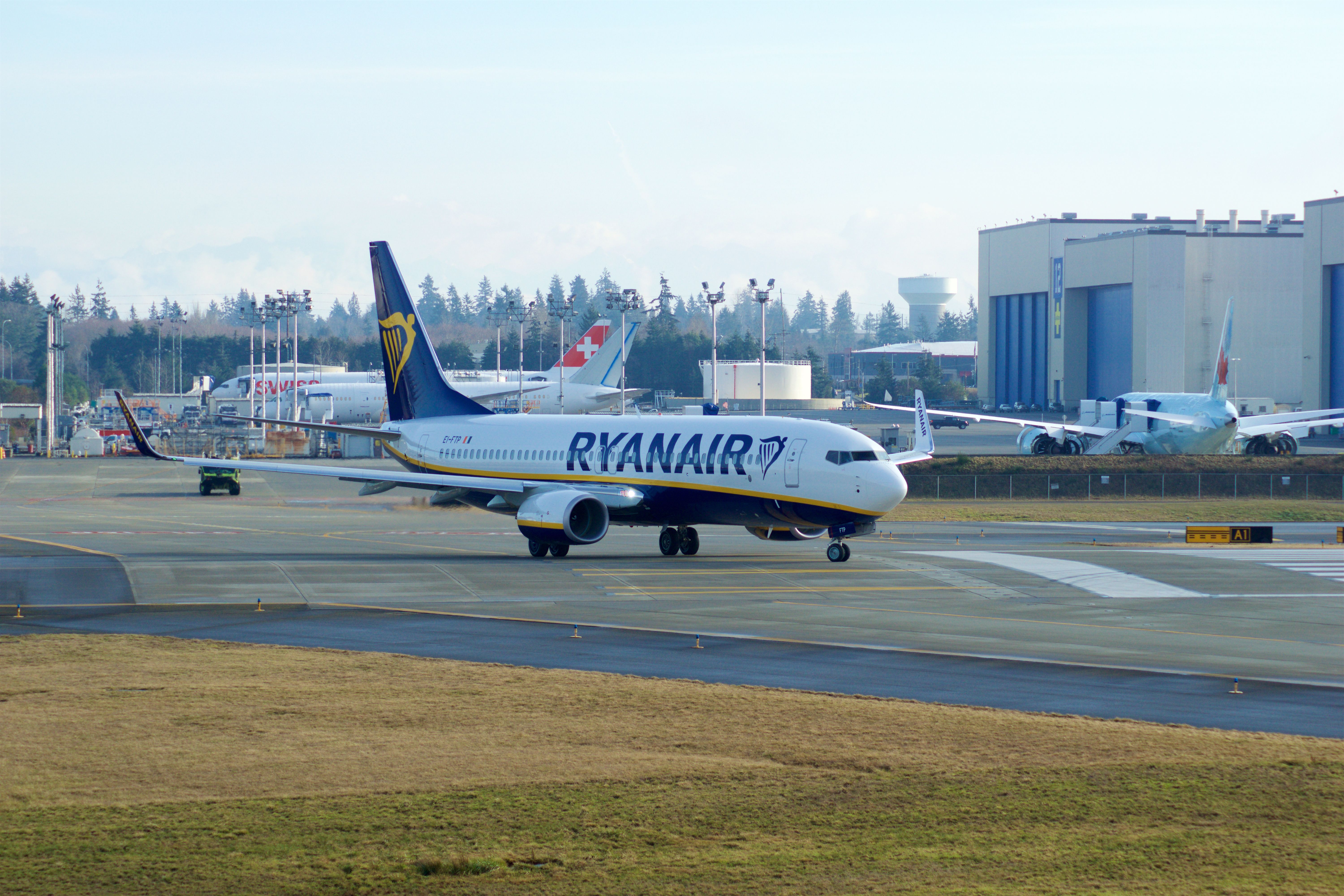
Photo: Christian Heinz | Shutterstock
In June, when the FAA extended the exemption to April 30, 2025, the regulator allowed customers’ pilots to fly as first officers during customer evaluation flights of Boeing aircraft that would be operated under a special airworthiness certificate with a special flight permit.
However, the FAA attached a whole host of conditions and limitations. This includes but is not exclusive to the exemption not applying to delivery flights, the captain of the flight having to have a valid pilot’s license in the US, and the exemption not applying for flights outside the US.
Related
How Many Aircraft Has Boeing Delivered Since The Machinists’ Strike?
Excluding the non-unionized site in South Carolina, Boeing had delivered 14 aircraft during the strike.
Differences in recorders’ regulations
The plane maker filed another exemption extension request on November 18, which was filed three days before, asking the FAA to allow the manufacturer to test its aircraft with cockpit voice (CVR) and flight data recorders (FDR) that do not meet specific regulations in the US.
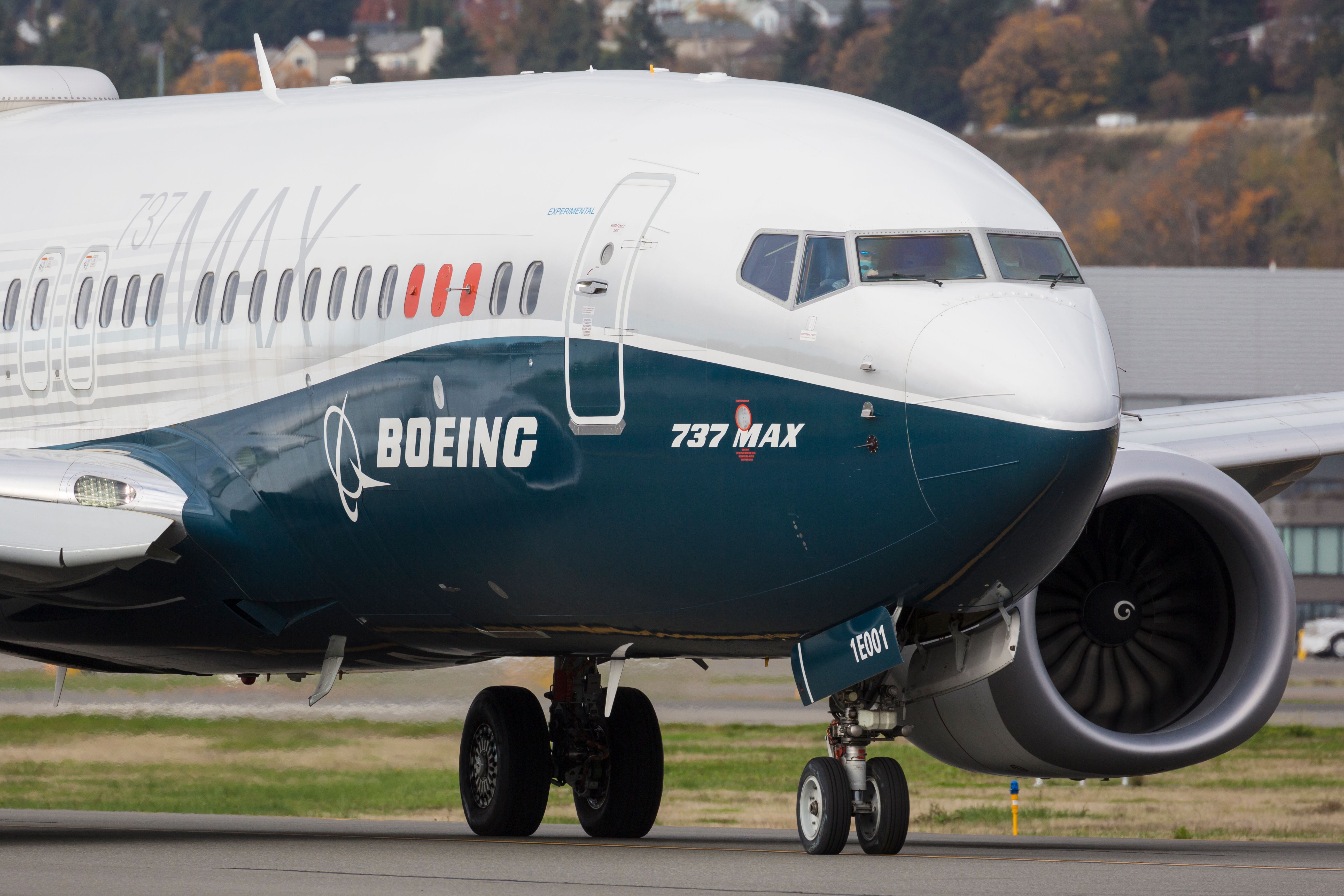
Photo: BlueBarronPhoto | Shutterstock
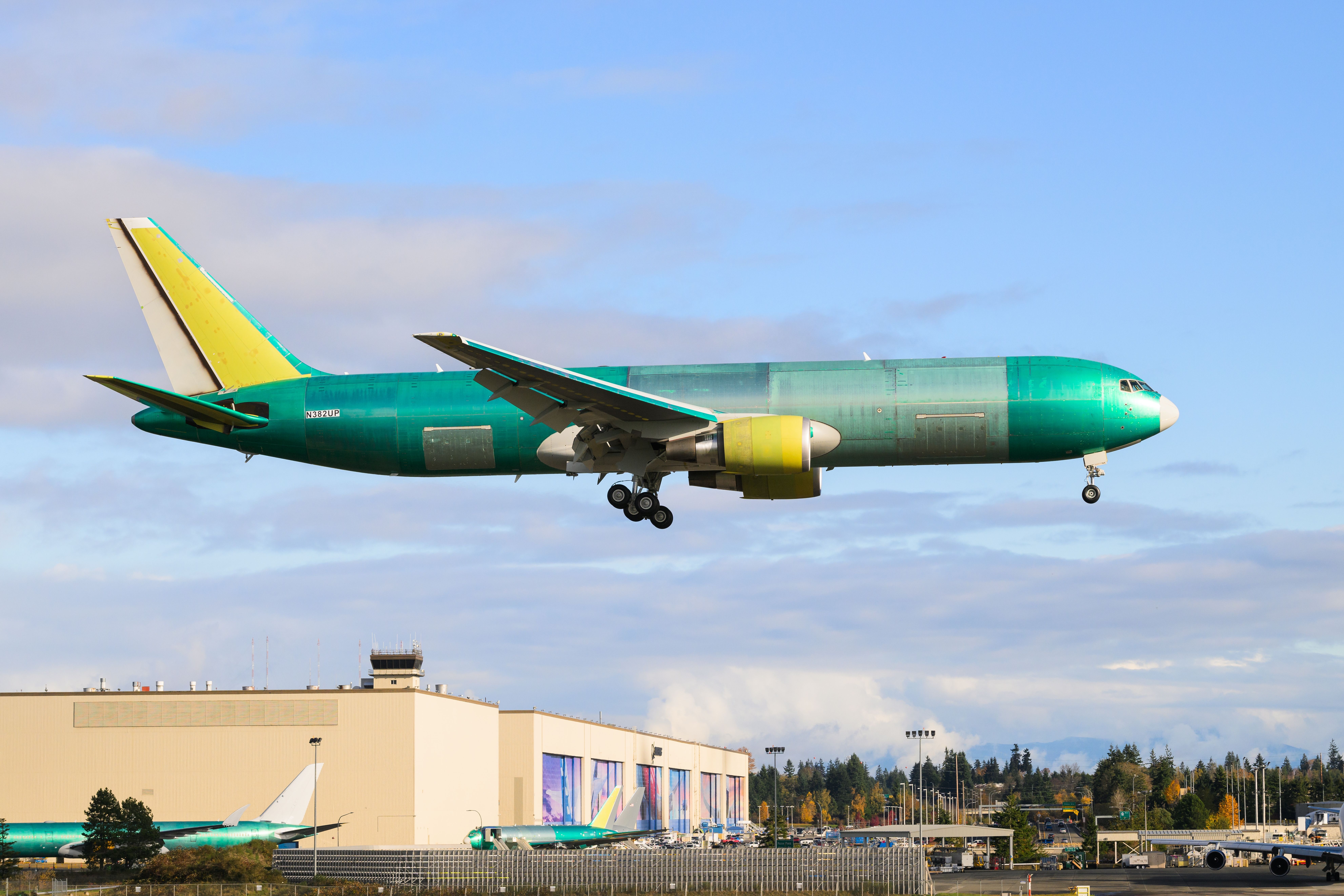
The exemption would continue applying to 737 Next Generation (NG), 737 MAX, 767, and 777 aircraft, allowing the manufacturer to test aircraft before they are delivered to airlines in countries where there are different CVR and FDR requirements.
Related
Boeing Asks FAA To Extend Exemption For Certain FDR & CVR Regulations For Test Flights
Boeing first asked for this exemption in 2011.
