


Quick Links
On July 25, 2023, RTX, the parent company of Pratt & Whitney, the engine manufacturer of the PW1100G engine, one of the two options for the A320neo aircraft family, disclosed that its subsidiary discovered a problem with certain engine parts of the PW1100G, also known as the Geared Turbofan (GTF).
In a follow-up update in September 2023, RTX disclosed that around 600 to 700 engines will be removed between 2023 and 2026, with most removals and subsequent inspections happening in 2023 and early 2024.
However, the issues have continued to affect operators, which have been forced to reduce capacity, continue extending wet leases, or postpone growth plans for the time being.
Reacting to the inspection announcement
RTX’s September 2023 update also stated that around 350 aircraft would be grounded between 2024 and 2026, with the first half of 2024 being the peak of the engine-related groundings.
At the time, RTX estimated a turnaround time (TAT) of around 250 to 300 days for an engine to be removed and then reinstalled on the wing, meaning that airlines would have to ground an A320neo family aircraft for the better part of the year unless they receive spare engines.
|
Airbus A320neo family deliveries before July 25, 2023 (ch-aviation data) |
Deliveries with the CFM International LEAP-1A engine |
Deliveries with the Pratt & Whitney PW1100G engine |
|
2,880 |
1,556 |
1,324 |
Guillaume Faury, the chief executive officer (CEO) of Airbus, disclosed that the affected parts were manufactured between Q4 2015 and Q3 2021. Faury shared the details during the manufacturer’s Q3 2023 earnings call.
Photo: Skycolors | Shutterstock
As such, ch-aviation data showed that between Q4 2015 and Q3 2021, with the latter period ending on September 30, 2021, Airbus delivered 896 GTF-powered A320neo family aircraft. However, some aircraft could have been delivered with engines that had parts without a production fix that removed the condition.
Nevertheless, airlines had to react immediately to the announcement and begin removing aircraft from service. Ch-aviation showed that there are 60 scheduled passenger airlines that have PW1100G-powered A320neo family aircraft.
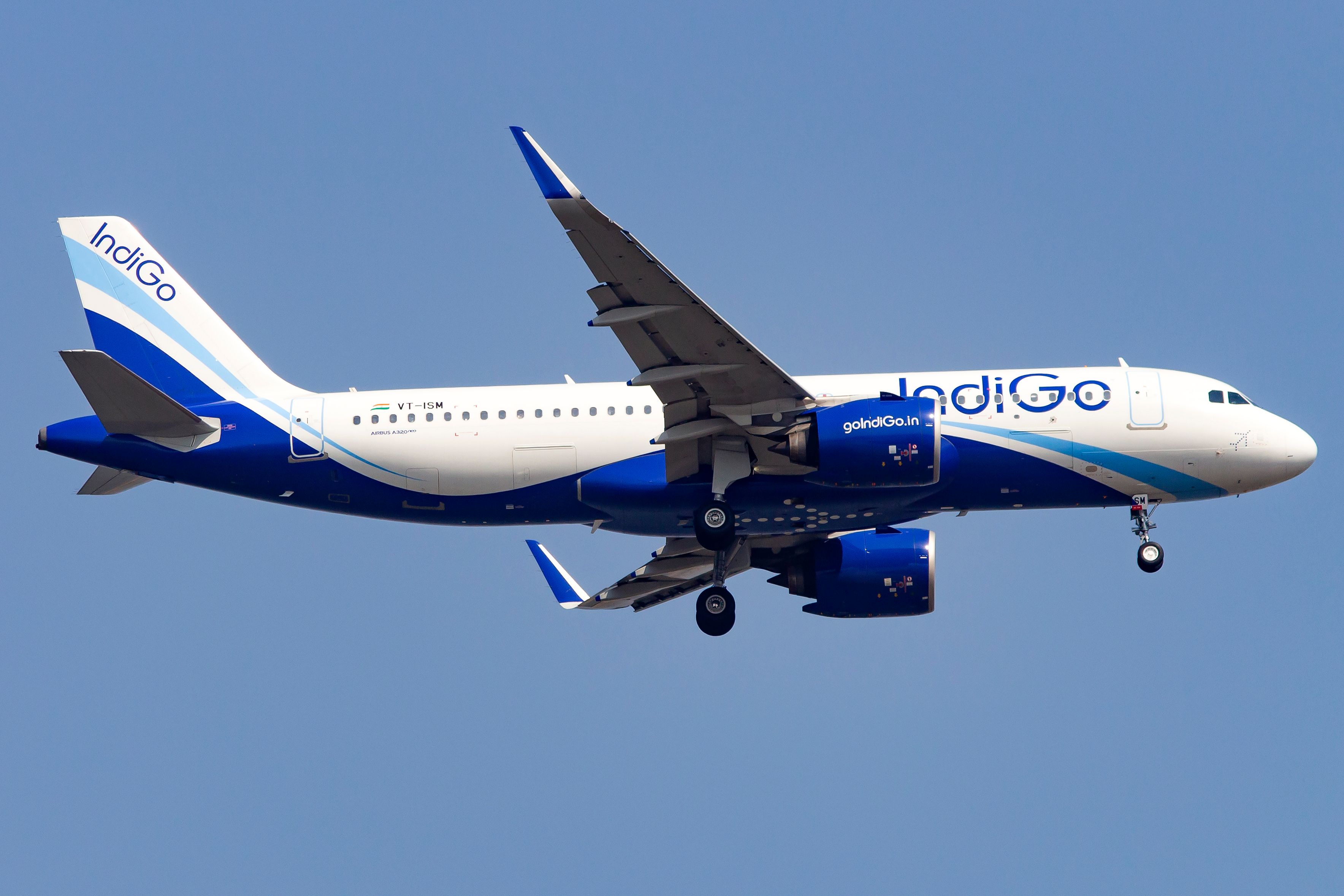
Photo: BoeingMan777 | Shutterstock
|
PW1100G-powered Airbus A320neo family aircraft operators’ schedules |
September 2022 (data skewed, as some airlines, such as IndiGohad not filed that month’s data) |
September 2023 |
September 2024 |
March 2025 (not all airlines have filed September 2025 schedules) |
|
Total weekly flights |
18,329 |
34,759 |
33,201 |
36,858 |
|
Total weekly seats |
3.5 million |
6.9 million |
6.7 million |
7.3 million |
ch-aviation records showed that 629 GTF-powered A320neo family aircraft are currently stored or in maintenance, compared to the 1,048 active aircraft flying commercial itineraries.
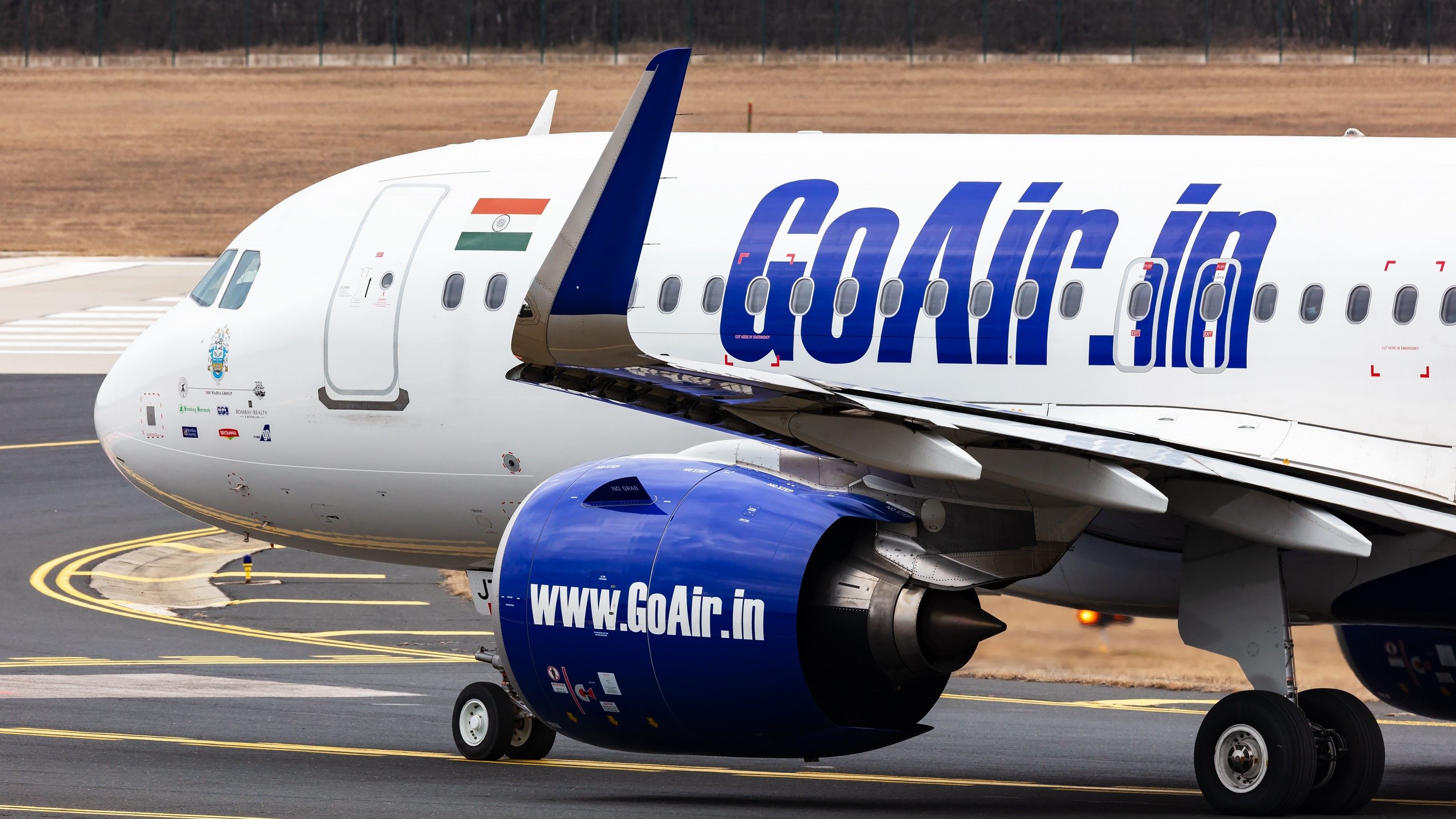
Photo: Soos Jozsef | Shutterstock
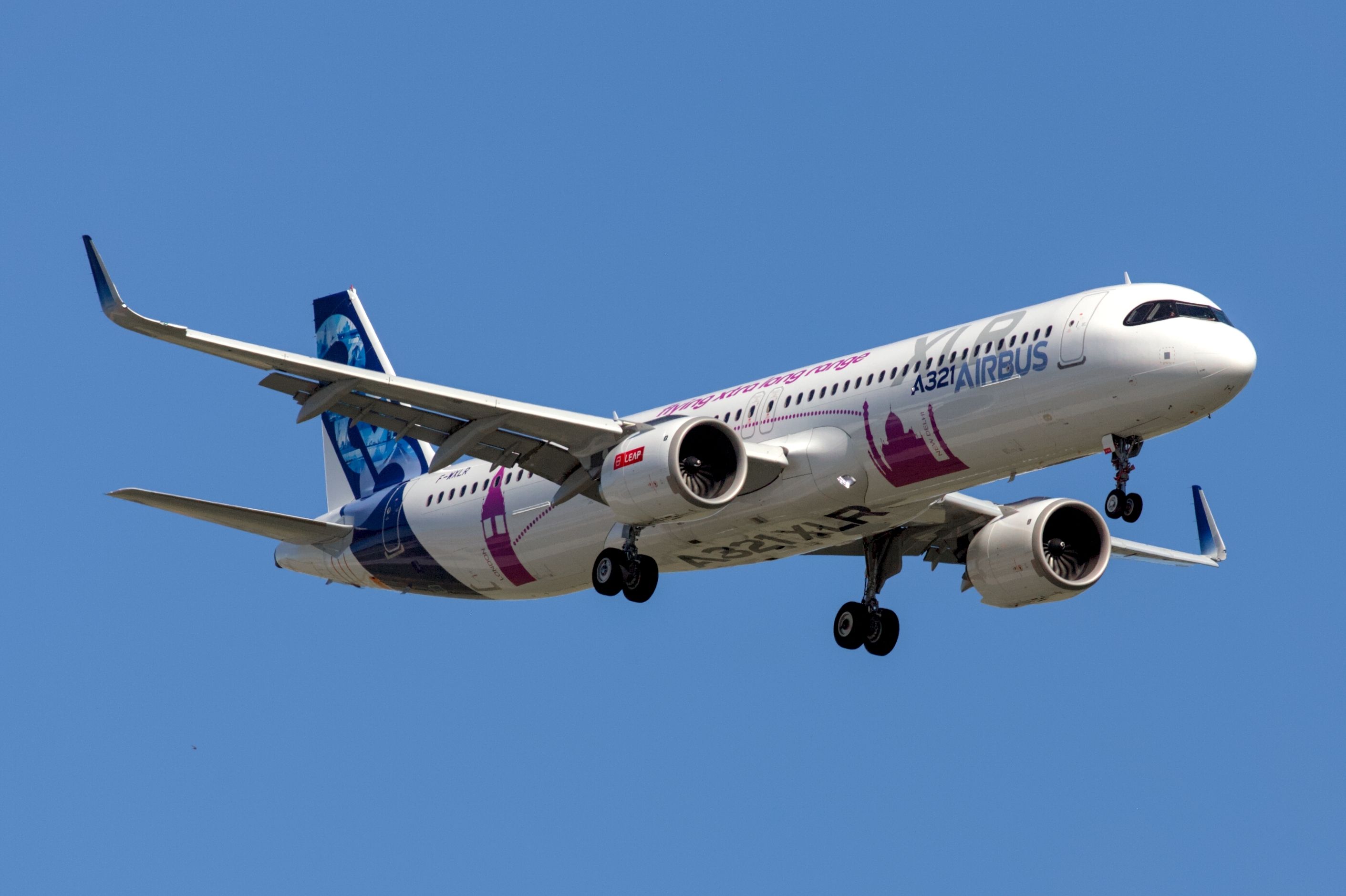
To put that into perspective, 37.5% of PW1100G-powered A319neo (no A319neos have been delivered with the GTF), A320neo, and A321neo (including the A321LR) are stored or currently in maintenance. Notably, some grounded A320neos were previously operated by the now-bankrupt India-based Go First, which incidentally blamed P&W for its failure, while the A321XLR has not yet been certified to carry the GTF engine.
Related
EASA Certifies Airbus A321XLR LEAP-1A Engines
EASA has officially added four different LEAP-1A engine models to the LEAP-1A and LEAP-1C’s type certificate on August 6.
Is recovery in sight?
Cirium schedules showed that when comparing March 2025 versus March 2024, airlines have added a significant amount of weekly flights (up 16.5%) and weekly seats (up 16.3%).
At the same time, the recovery does not seem to be equal between carriers. For example, Air New Zealand has 30 fewer weekly flights scheduled than in March 2024, while Spirit Airlines, which has recently initiated its Chapter 11 bankruptcy process, will reduce its A320neo/A321neo flying by up to 133 weekly flights.

Photo: Spirit Airlines
Spirit Airlines also detailed that it would adjust its capacity during off-peak periods, deploying its assets to maximize profits.
Nevertheless, Austrian Airlines,  Turkish Airlines, and Vueling, the Spain-based low-cost carrier of the International Airlines Group ( IAG), are some of the airlines that have scheduled fewer flights with their A320neo family aircraft. This shows that the removals and inspections will continue affecting carriers as spring in the northern hemisphere kicks off.
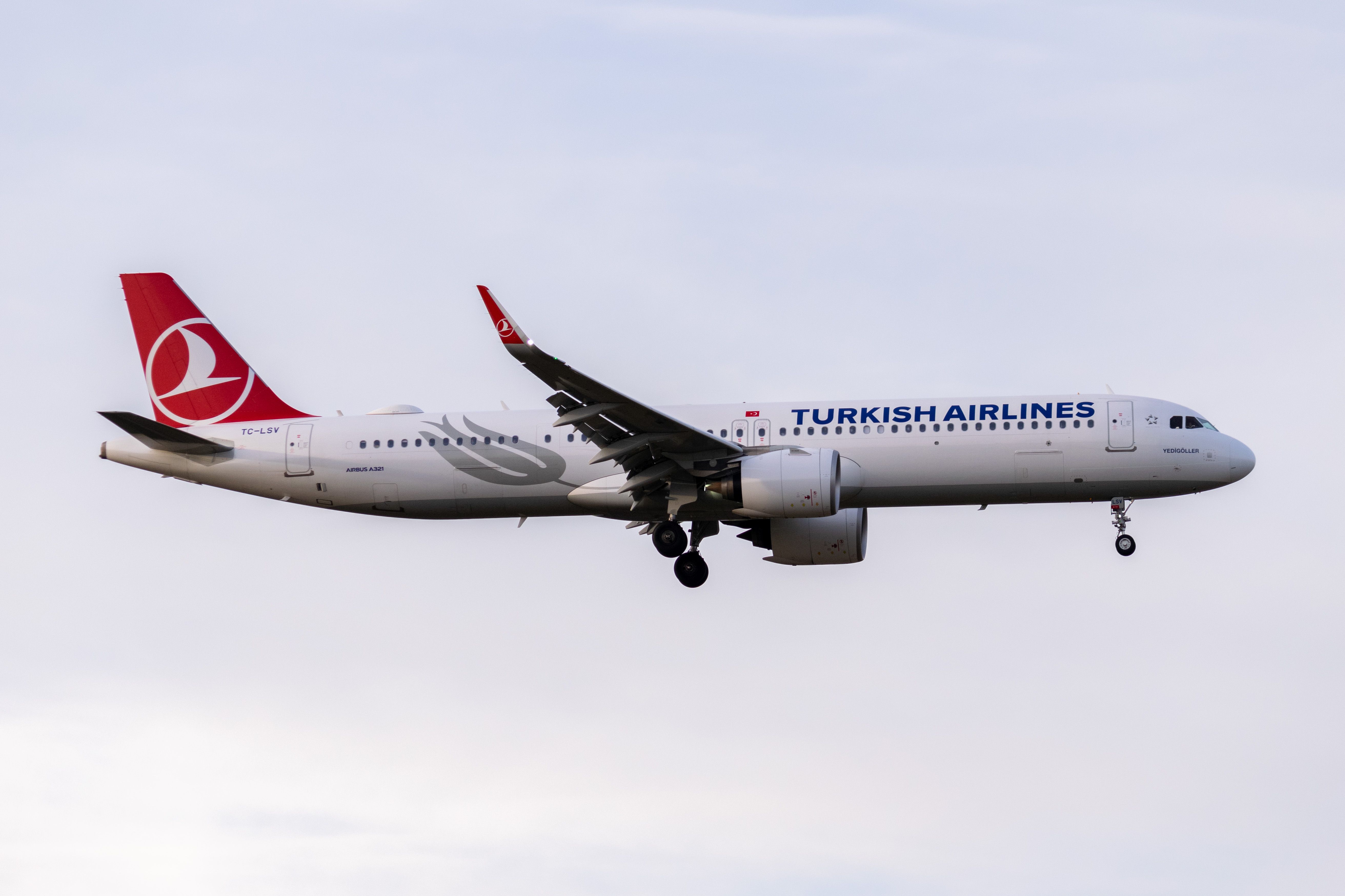
Photo: Tom Boon | Simple Flying
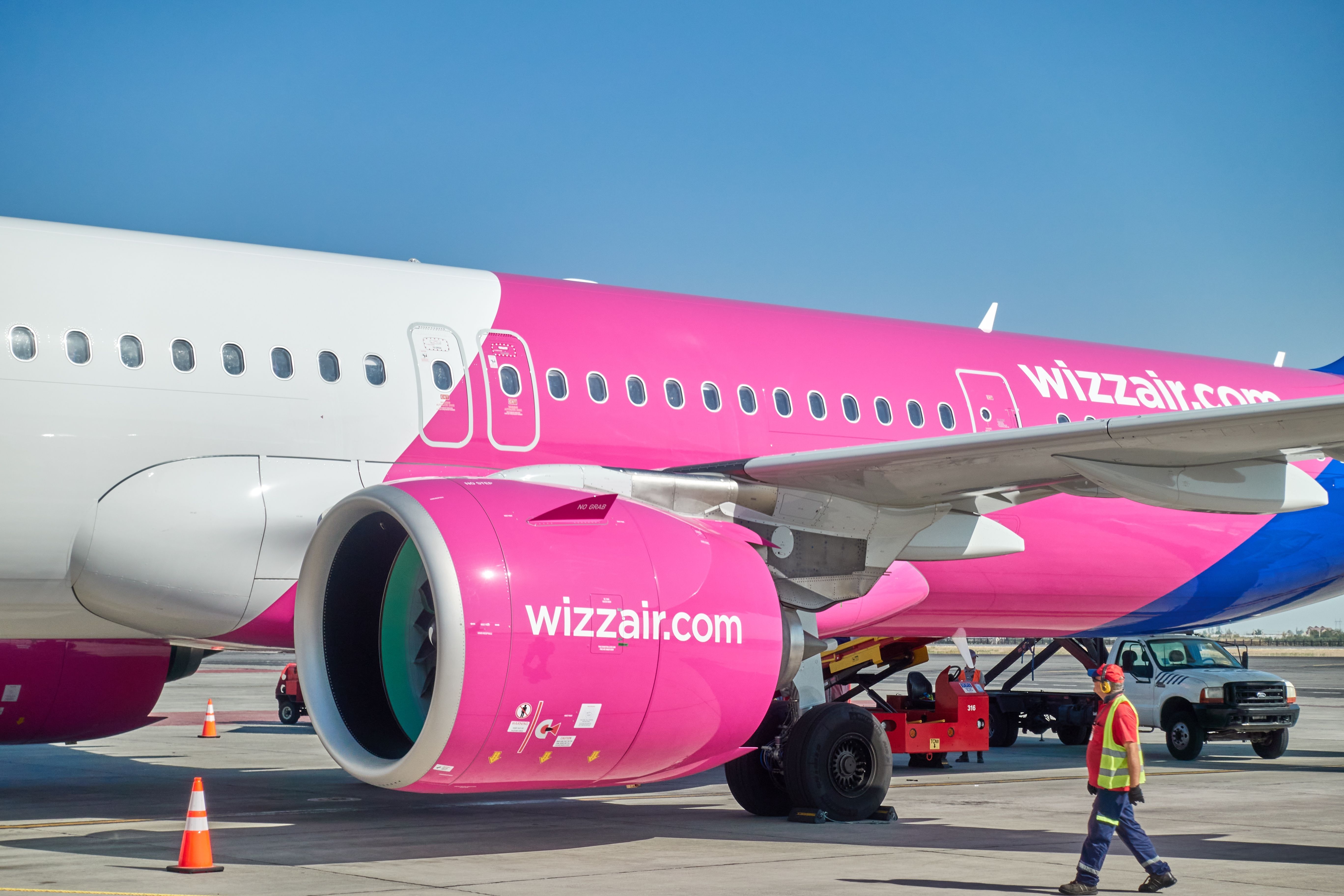
When Wizz Air presented its H1 FY2025 results on November 7, József Váradi, the CEO of the Hungarian no-frills airline, said that during the second half of the fiscal year – from October until March 2025 – GTF-related problems, such as capacity constraints, will continue inflating costs.
“As we look ahead, we now have better visibility to manage the GTF issues to their expected conclusion in F27 [Wizz Air’s FY2027 will begin on April 1, 2026 – ed. note] and our timetable of deliveries from Airbus means we will gradually return to growth from next year.”
As of September 30, Wizz Air had grounded 41 aircraft, an improvement over its original forecast due to the expedited introduction of quick-turn engines.

Photo: AstroVictor | Shutterstock
“Moving forward, average groundings expected to be ca. 40-45 aircraft over the next 18 months vs the previous assumption of 50, with forecast based on 300-day engine turnaround time.”
Related
Wizz Air Sees H1 Earnings Drop To $888 Million As Pratt & Whitney GTF Engine Issues Increase Operating Costs
Wizz Air said that going forward, fewer than expected A320neo family aircraft will be grounded due to the PW1100G removals and inspections.
GTF Fleet Plan
When RTX initially informed about the issues with the PW1100G in July 2023, The US-based aerospace company described it as a rare condition in powder metal used to manufacture certain parts of the engine, which has prompted accelerated removals and inspections of the engines.
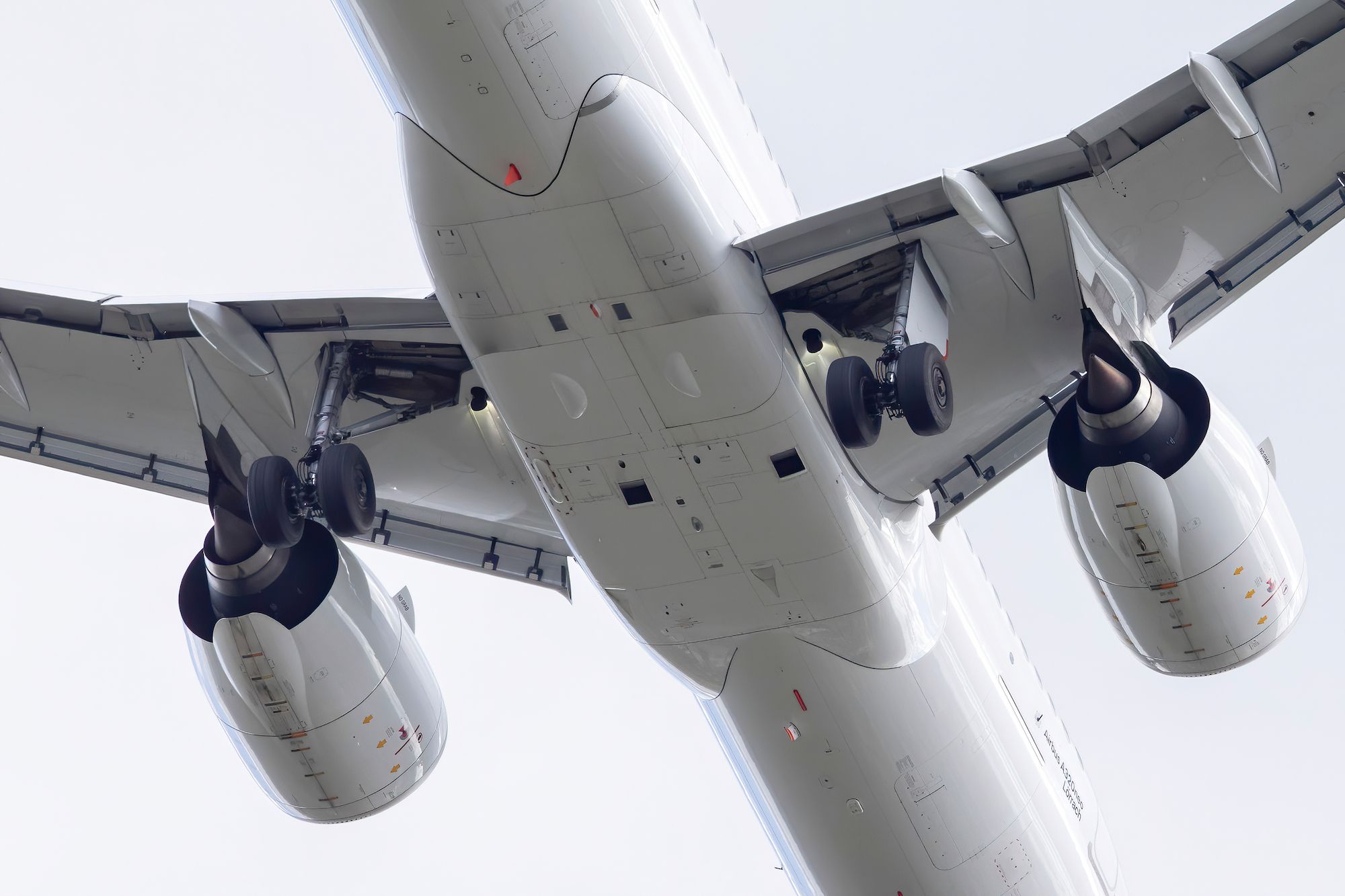
Photo: Karolis Kavolelis | Shutterstock
“As a result, the business anticipates that a significant portion of the PW1100G-JM engine fleet, which powers the A320neo, will require accelerated removals and inspections within the next nine to twelve months, including approximately 200 accelerated removals by mid-September of this year.”
During the company’s Q3 earnings call, Christopher Calio, the president and CEO of RTX, said that at the end of the quarter, the inspections of powdered metal parts continued to progress according to its plan.
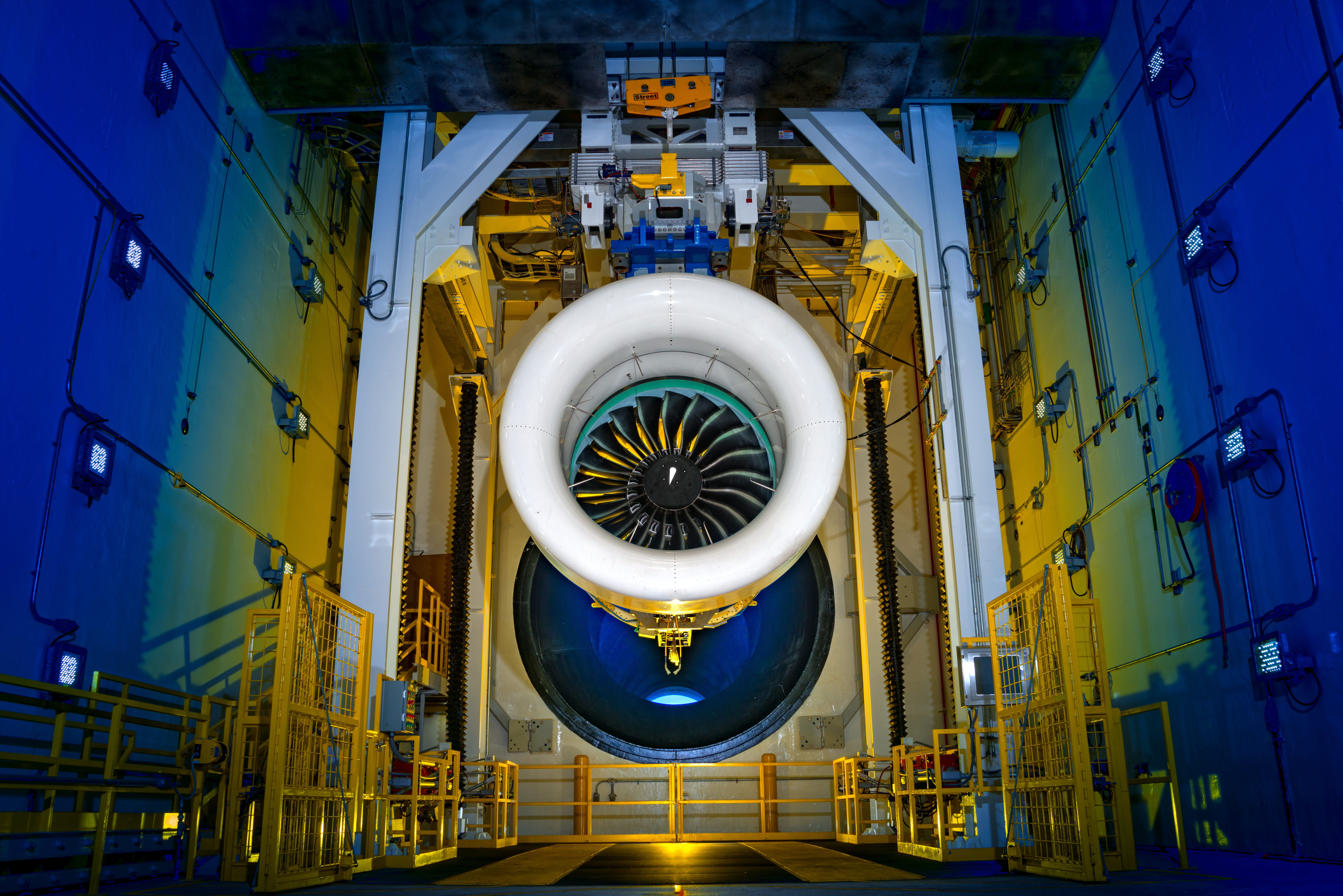
Photo: Pratt & Whitney
“The associated fallout rate remains below the 1% expectation and the findings are consistent with the underlying assumptions of our fleet management plan.”
Calio added that at the company’s repair facilities, the throughput of engines had been improving, with PW1100G output increasing by 10% sequentially and 27% year-on-year (YoY).
Furthermore, the executive said that Pratt & Whitney has continued to ramp up deliveries of spare and original equipment (OE) engines, with both segments being up. Celio noted that the manufacturer was well above its 2019 volume, with it balancing needs for spares and OE engines for new aircraft deliveries.
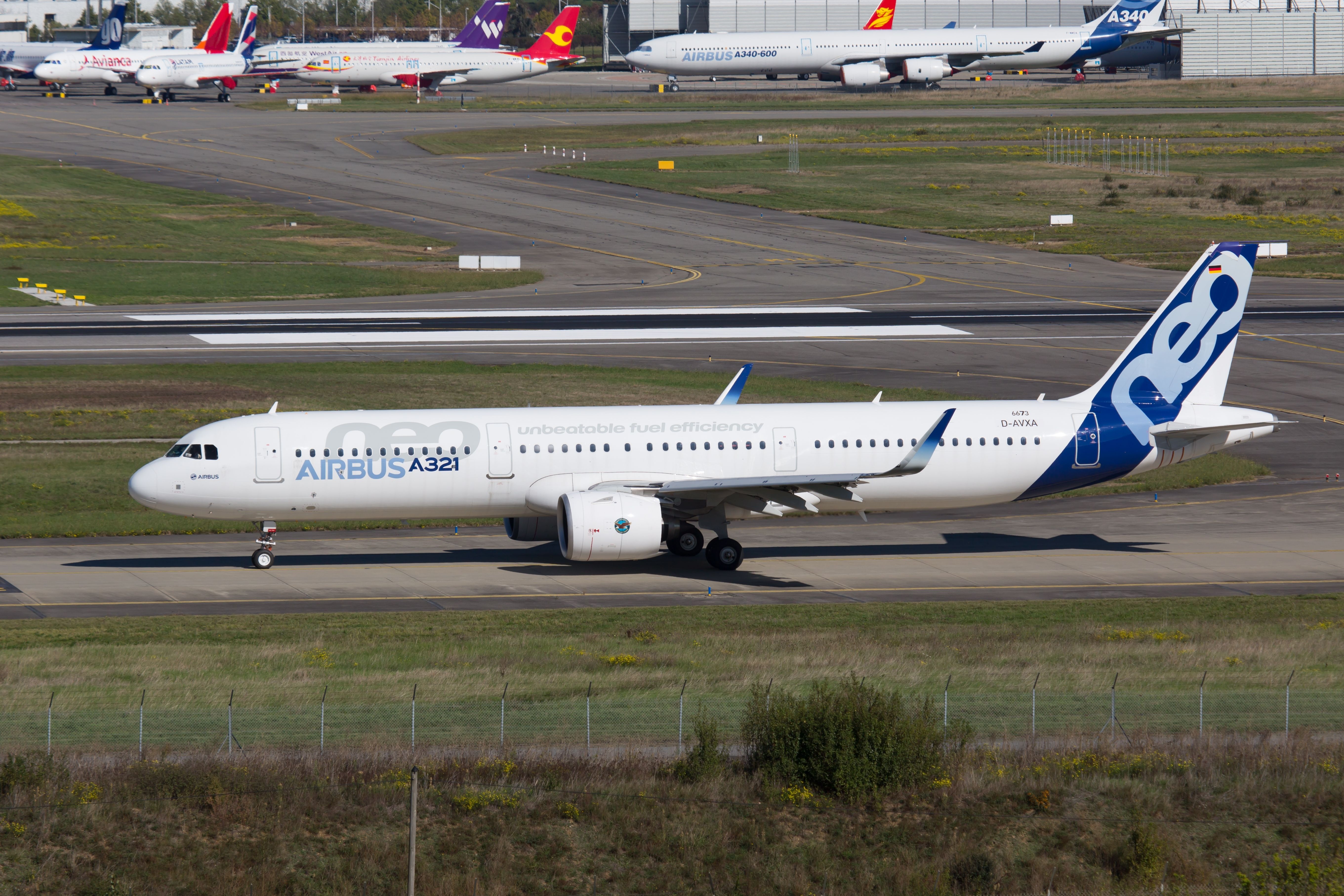
Photo: Skycolors | Shutterstock
Neil Mitchill, the chief financial officer (CFO) of RTX, concluded that by the end of 2024, the company expects to pay out up to $1 billion of credits for grounded aircraft, with the company quantifying it as a cash equivalent to its customers.

Related
New FAA AD On Pratt & Whitney PW1100G Engines Could Cost US Airlines Over $150 Million
A new directive by the FAA has added more engine parts to be inspected by PW1100G operators.
