


The chief executive of Dublin Airport Authority (daa), the owner and manager of Dublin Airport (DUB) and Cork Airport (ORK), said that the best way for Ireland to lift the 32 million passenger cap at the former airport was to focus on planning-related regulations in order to enable the airport to grow beyond the current 32 million passenger per year cap.
Removing the passenger cap at Dublin Airport
During a court case hearing at the Irish High Court on December 4, Kenny Jacobs, the chief executive officer (CEO) of daa, expressed hope that political parties that have supported the removal of the passenger cap at Dublin Airport would now follow through with their promises, according to a report by the Irish Independent.
Ireland held a general election on November 29. Fianna Fáil, a party that had previously promised to remove the cap before the election, won the most seats in the lower house of the Irish parliament (Dáil).
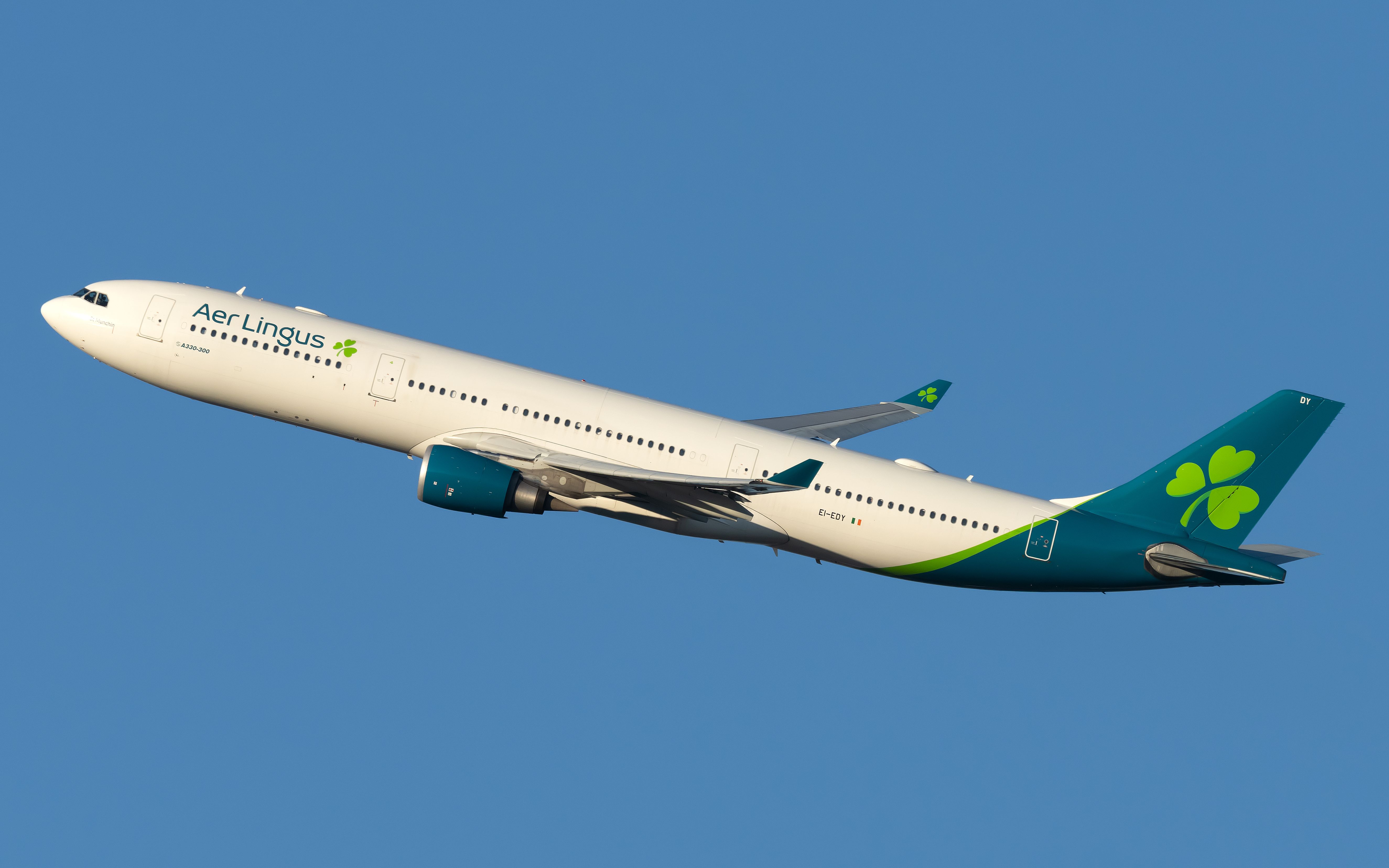
Photo: Vincenzo Pace | Simple Flying
Nevertheless, Jacobs added that while ministerial or primary legislation was a long shot at removing the cap, one way to move forward was to reclassify Dublin Airport (DUB) as strategic rather than local infrastructure.
“It’s about how do you change the planning framework, the planning laws and planning timelines – I think that’s a better territory for everybody to be focused on.”
Jacobs noted that lifting the cap would be much easier if it could apply future plans directly with the An Bord Pleanála, the Irish independent statutory body that determines appeals on planning and other cases.
Currently, the daa has to go through the Fingal County Council, which is the local authority of Fingal County, where the Irish capital’s airport is located.
Related
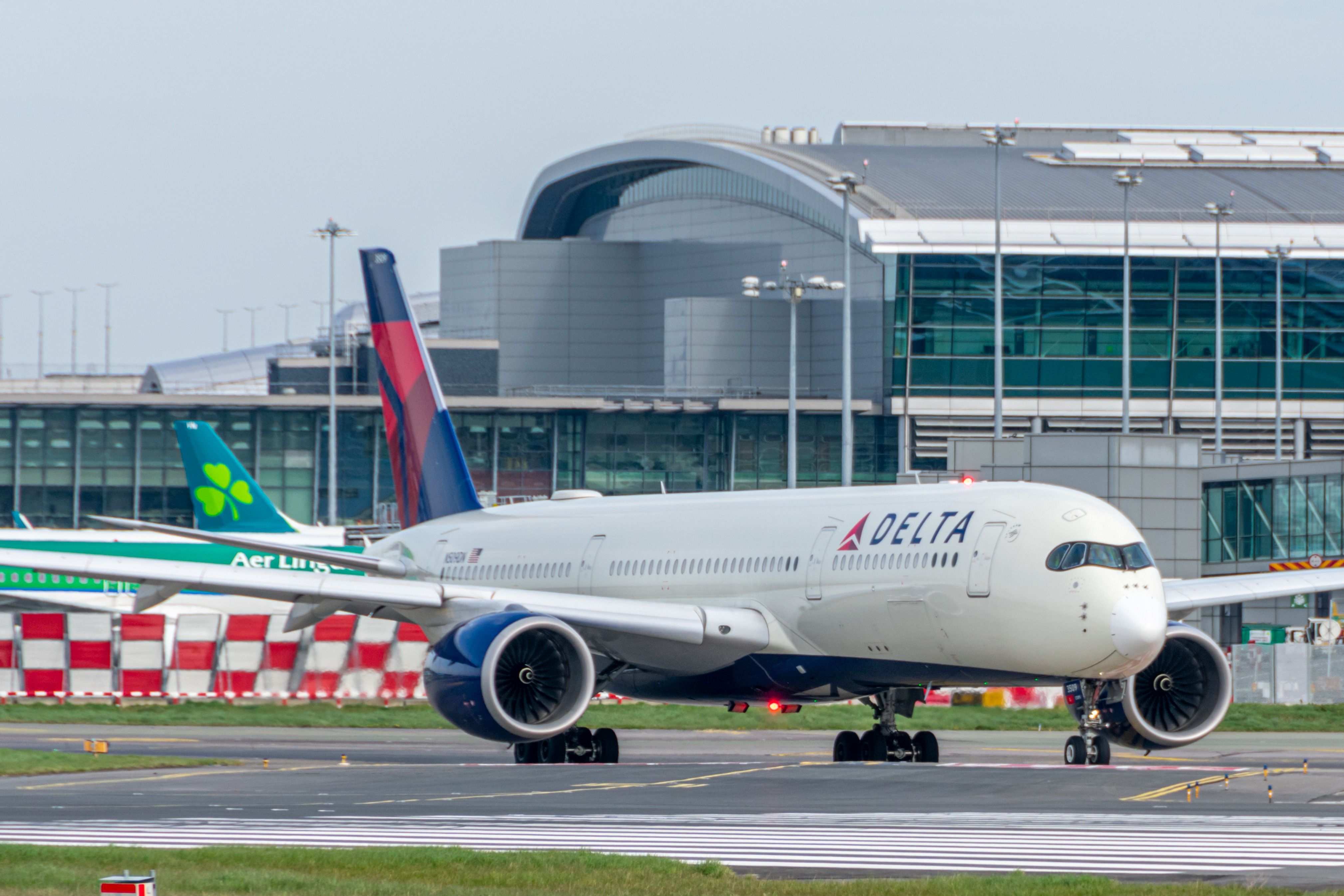
Dublin Airport Gets 4 New Routes To The US Next Summer
However, Dublin Airport’s year-on-year (YoY) capacity will be down due to the passenger cap limiting operations at the airport.
Going beyond 32 million
On November 13, Fingal County Council said that it received documents from the daa related to its planning application. The documents included a request to lift the passenger cap from 32 million to 40 million.
“A decision on this planning application is not subject to the same timelines associated with a conventional planning application, as the Aircraft Noise Competent Authority (ANCA), in its role as the regulator of aircraft noise, formed the opinion on 17 January 2024 that the application requires an assessment of the need for a noise-related action.”
Furthermore, the daa has yet to submit documents to the ANCA, with the council warning that if the airport authority’s documentation results in a significant change compared to the items it had submitted in December 2023, it could once again consult the public on the matter.
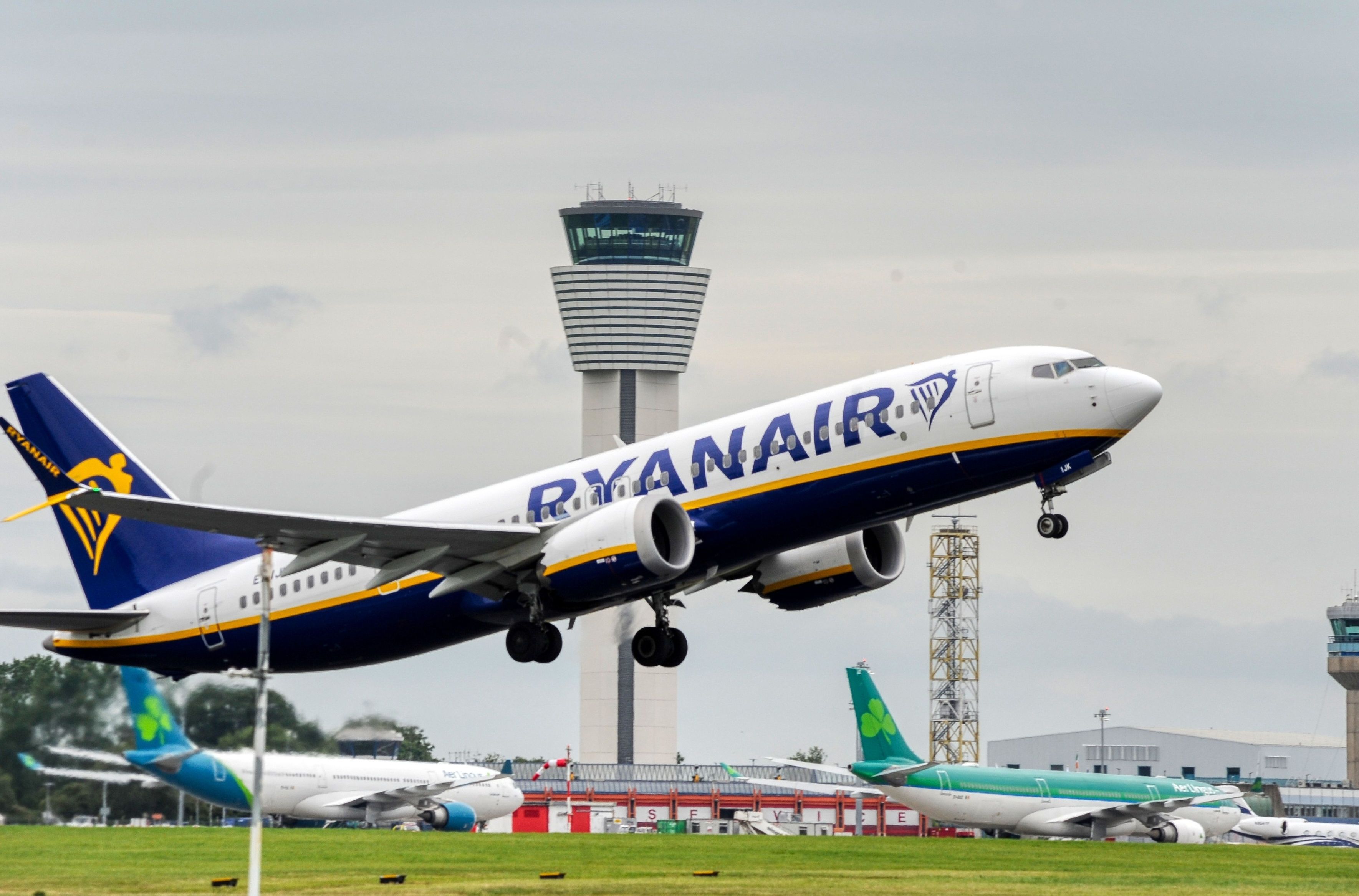
Photo: frank333 | Shutterstock
A grant of planning permission to build Terminal 2 and extend Terminal 1 included a 32 million per year passenger cap at Dublin Airport. The grant dates back to 2007.
According to Jacobs, if the local council approves the lift to 40 million passengers, the authority would soon have to apply to further move the cap to 55 million passengers.
In a previous ruling in early November, the Irish High Court temporarily suspended the cap, with Judge Barry O’Donnell preventing airlines from losing their historic slots at Dublin Airport.
The court case has involved  Aer Lingus, Airlines for America (A4A), and Ryanair. The trio moved to sue the Irish Aviation Authority (IAA) to retain their historic slots at the airport.
A4A’s member airlines include but are not exclusive to  American Airlines,
  Delta Air Lines, JetBlue, and
  United Airlines, which have scheduled services to the Irish capital.
Related
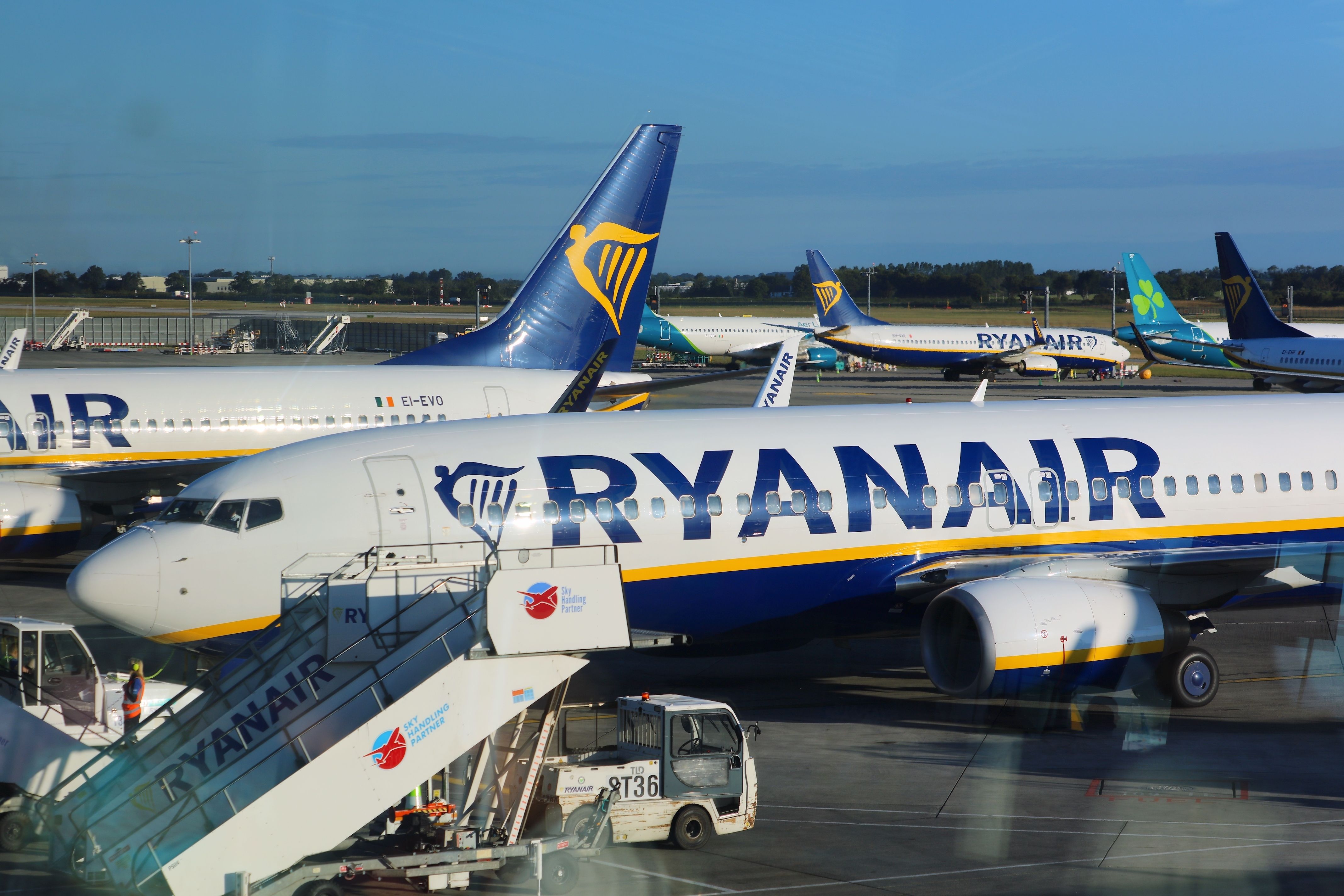
Airline Argument Sways Irish High Court To Pause Dublin Airport Passenger Cap
The stay order will grant airlines, including Aer Lingus and Ryanair, more time to possibly remove the passenger cap at Dublin Airport.
Dublin Airport’s reduced capacity
The initial coordination report for Dublin Airport showed that during the International Air Transport Association (IATA) summer season in 2025, the airport will have 5.8% fewer movements year-on-year (YoY), resulting in 4.3% fewer seats YoY compared to the initial slot coordination of the previous summer season.
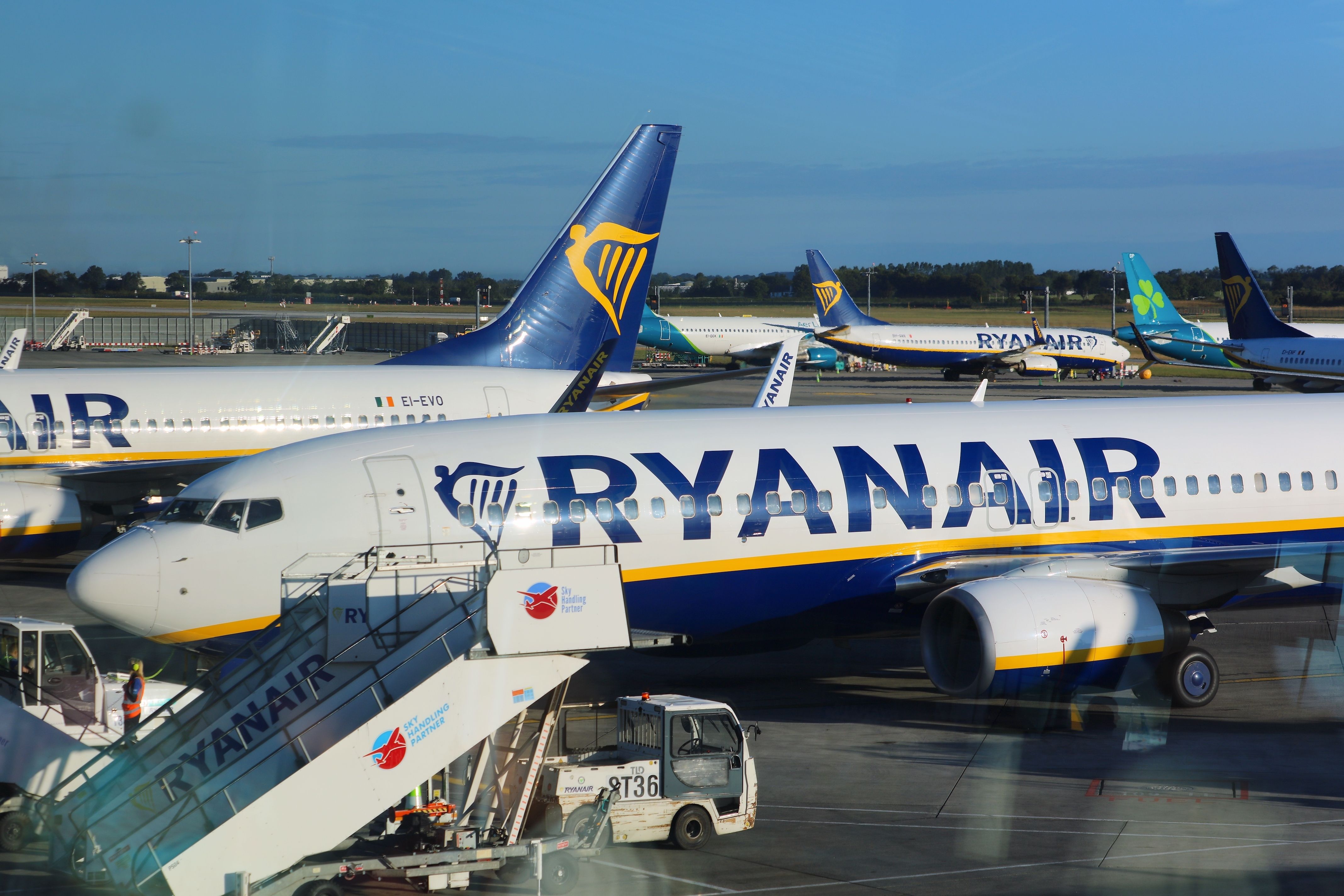
Photo: Tupungato | Shutterstock
However, the airport’s capacity, in terms of seats, compared to the historic slot baseline, will grow by 10.5% YoY, with airlines requesting 14,318 new slots at Dublin Airport. ACL allocated 99.7% of those slots.
Related
Dublin Airport Gets 4 New Routes To The US Next Summer
However, Dublin Airport’s year-on-year (YoY) capacity will be down due to the passenger cap limiting operations at the airport.
