


In an interview with Simple Flying’s Dillon Shah at the sidelines of the delivery event for Icelandair
’s first ever Airbus A321LR at the start of December, CEO Bogi Nils Bogason revealed that the carrier would soon be thinking about what is next for its Boeing 767 fleet. He did not rule out the possibility of a widebody order, replacing its current fleet of three passenger-configured 767s.
Planning phase coming soon
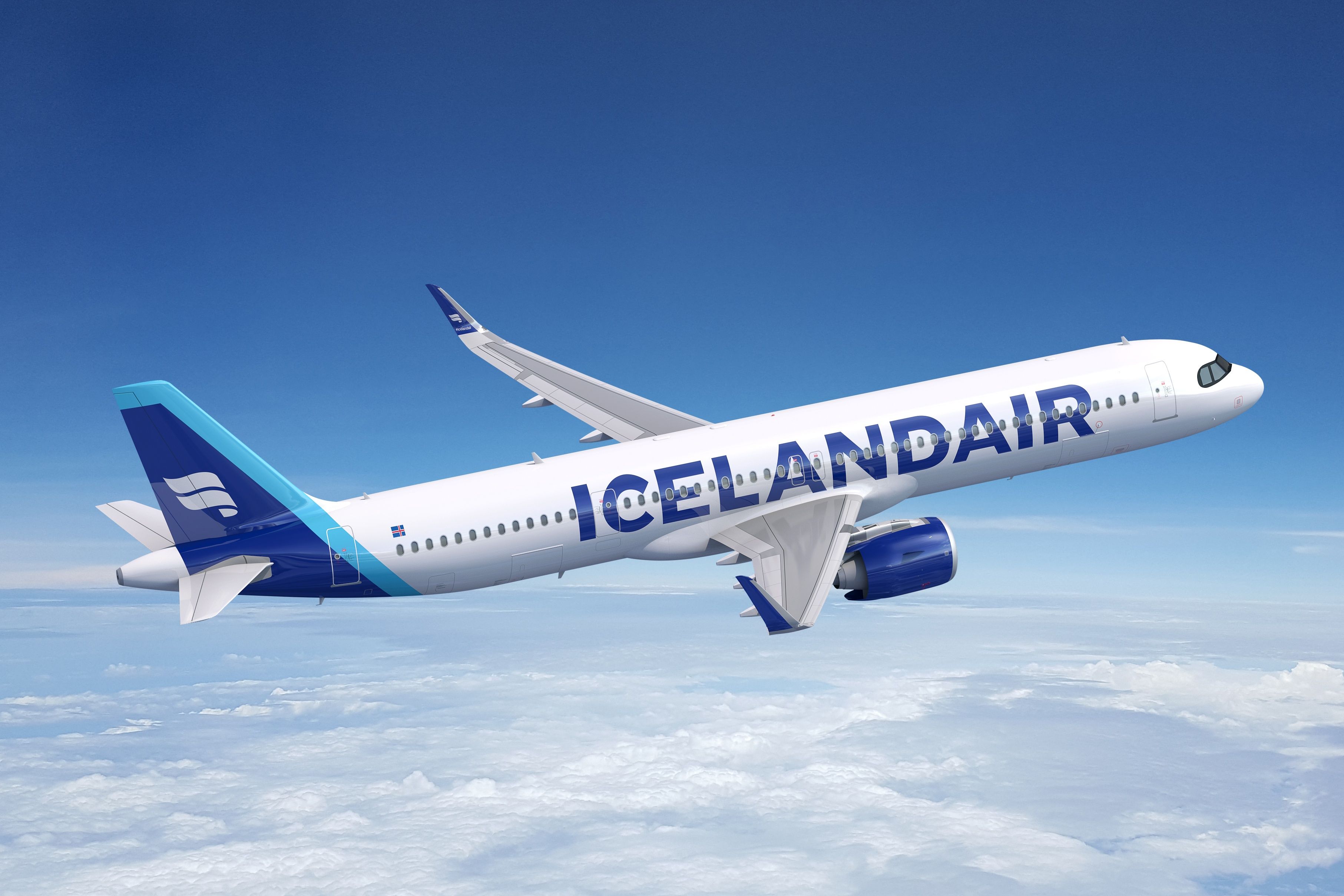
The replacement of its Boeing 757 fleet is imminent, scheduled to operate its final flight for the carrier just after the summer 2027 period. This is thanks to the arrival of its Airbus A321neos, including the LR variant (of which there will be seven by that time) but also the A321XLR which will join Icelandair’s fleet in 2029.
Related
Texas & California: Icelandair Reveals Potential A321XLR Routes
Speaking with Simple Flying, Icelandair’s Director for North America revealed some of the carrier’s plans for its A321XLR for delivery in 2029.
As for the Boeing 767, Bogason notes that they are not a current replacement priority as they still have some life in them
“They are going to live on for the next few years, at least after that is the current plan. But we are going to start a project soon to analyze the future of widebodies in our fleet and network, and that is something that we’re going to look into and work on in the next few months.”
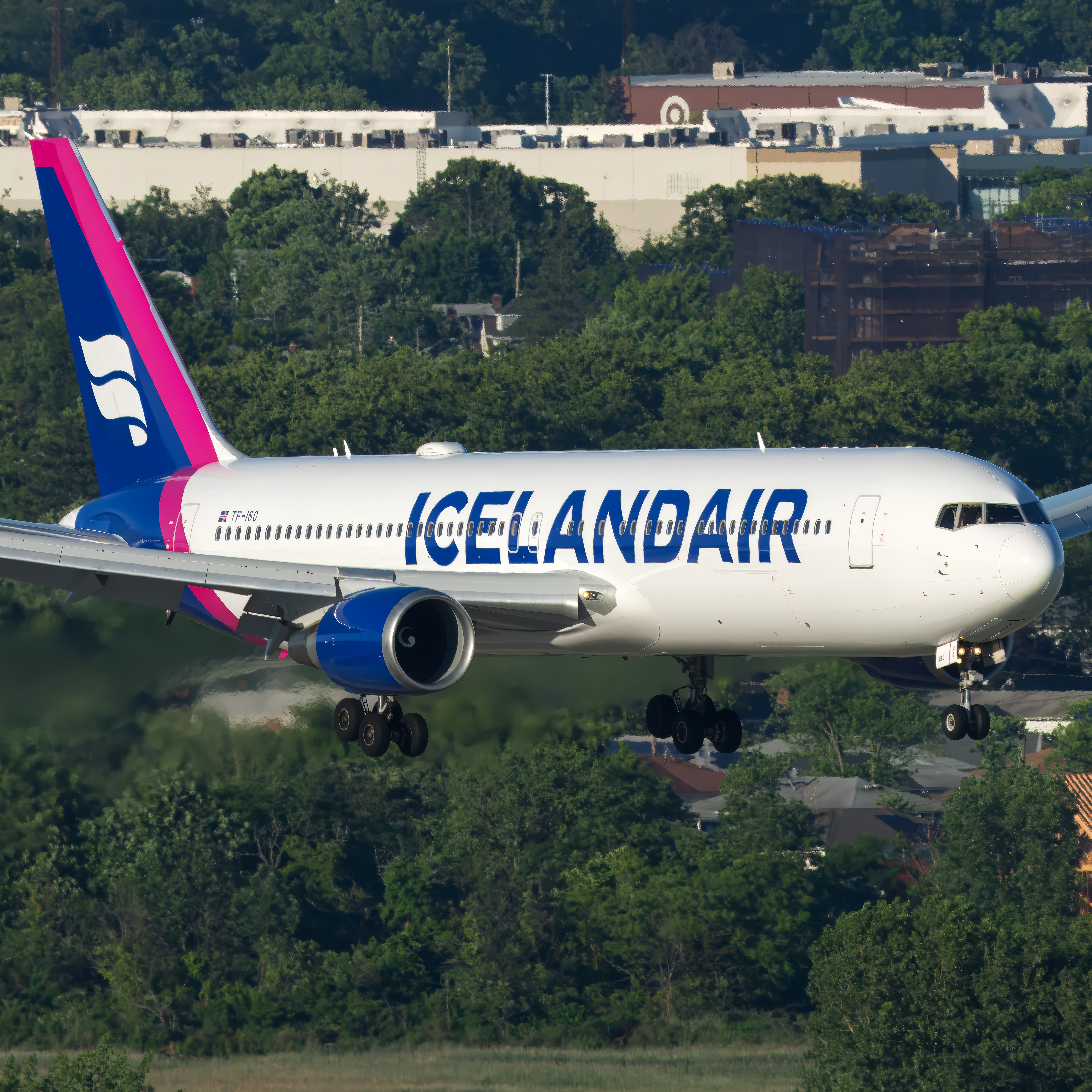
Photo: Vincenzo Pace | Simple Flying
When asked whether a new widebody aircraft order was coming, Bogason admitted that it was on the table.
“It is possible. Yes, everything is possible. It’s too early to say now. We will be operating the 767 for a few more years, and then decide on what will replace that.”
The current fleet
Icelandair’s current Boeing 767-300ER fleet includes three examples, as listed below:
The aircraft have an average age of 25.4 years according to ch-aviation data and provide a total of just 786 seats combined. One of the aircraft, TF-ISW is listed as inactive, having operated its last commercial flight between Paris Charles De Gaulle Airport
(CDG) and Reykjavik
(KEF) on November 14, 2024 It is currently at Shannon Airport
(SNN) being converted into a freighter aircraft for the company.
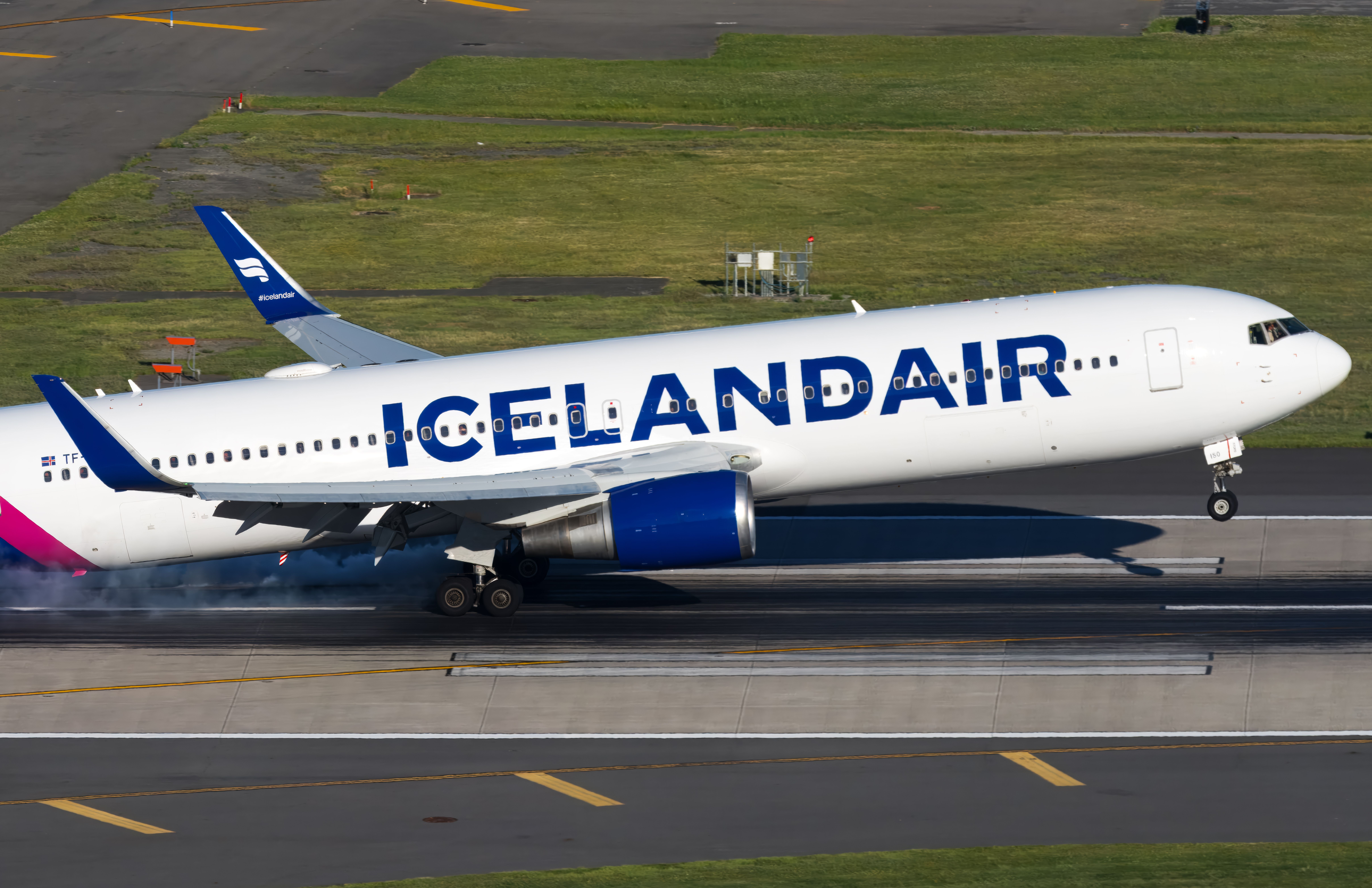
Photo: Vincenzo Pace | Simple Flying
This month, the widebodies are operated on some of Icelandair’s core routes from Keflavík, including to:
Related
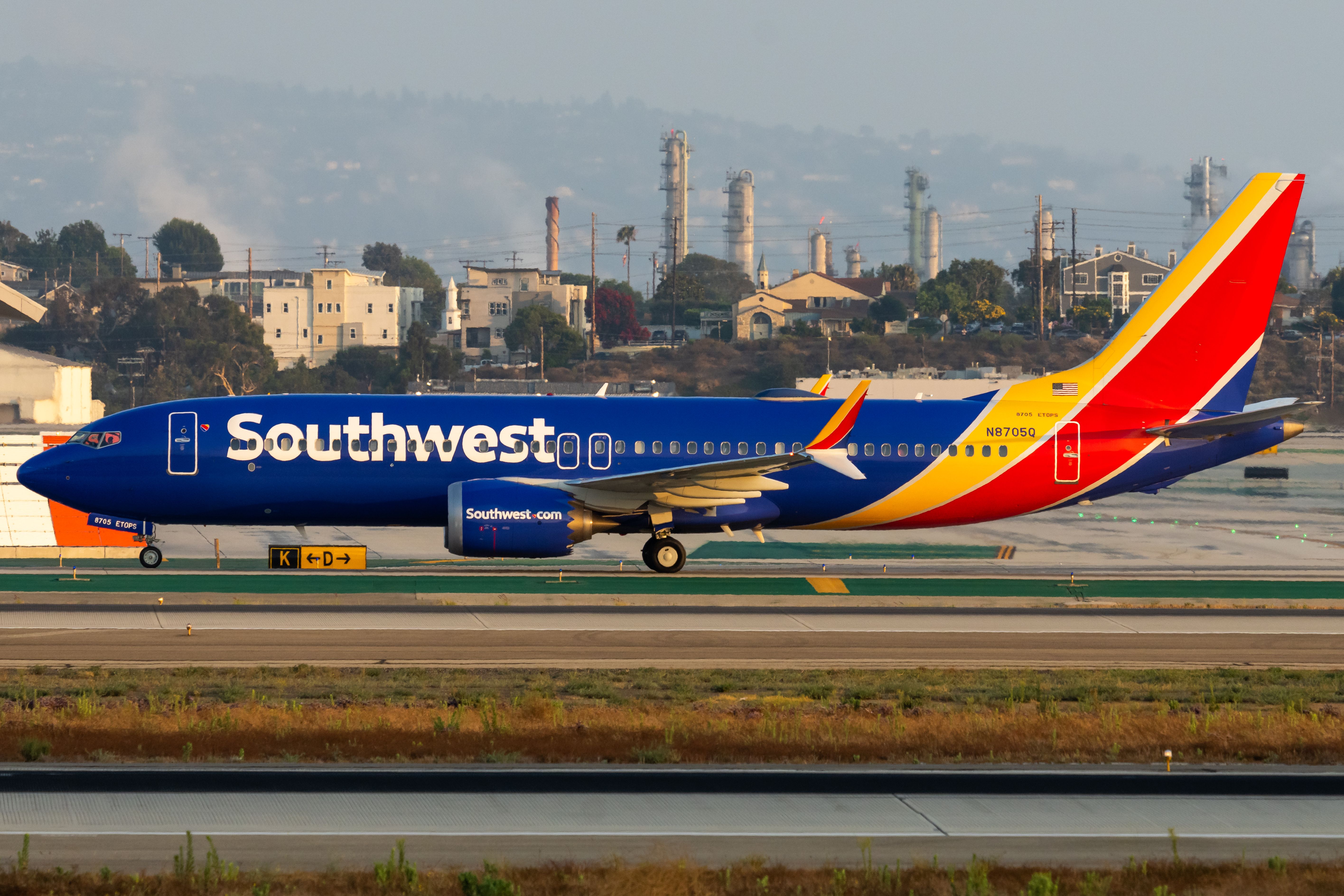
Exclusive: Denver & Nashville “On The Radar” In Southwest-Icelandair Partnership
Icelandair’s Director for North America speaks to Simple Flying in an interview on the sidelines of the carrier’s first A321LR delivery in Reykjavík.
Next summer, the carrier has scheduled the plane on the same routes according to Cirium schedules data, as well as to:
Schedules may of course change before that. It is also worth noting that with only two Boeing 767s remaining in active passenger service, it’s unlikely that all of these destinations will be served on the regular by the widebody.
Icelandair’s Boeing 737 MAX success
With the delivery of the A321LR, we asked Icelandair whether this marked a shift away from Boeing aircraft. Bogason assured us that this was not the case, and pointed to the presence of the Boeing 737 MAX in the carrier’s fleet and its success. He highlighted that while the carrier does deploy narrowbodies on routes that are often quite long (think the upcoming Istanbul flight for example, which will take just under six hours each way from KEF), the MAX has provided passengers a pleasant experience.
“We are using the MAX in our current network and flying to the US [and in Europe] and the customer satisfaction is high, so we have monitored that very closely.”
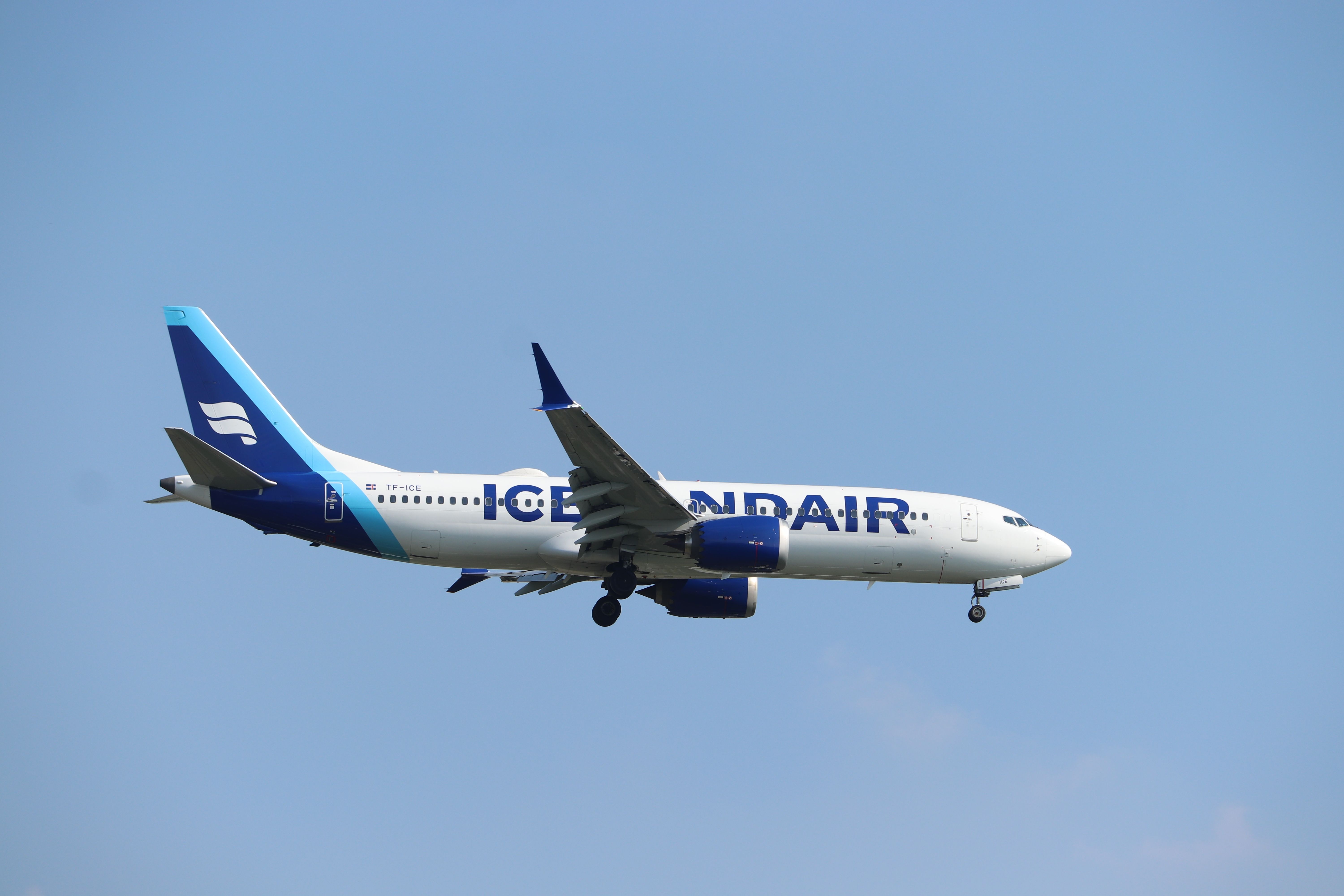
Photo: StudioPortoSabbia | Shutterstock
If a widebody order is possible, it will be interesting to see whether Airbus will continue to grow its presence in the Icelandair fleet. A long-time Boeing operator, the shift to the A321LR was a significant moment.
The European manufacturer underlined its achievement with pride at the delivery ceremony. Natalie Casanova, Single Aisle Product Manager at Airbus, had said:
“We are so grateful for the trust that you put in Airbus and our aircraft. The A321 is a member of our A321 single aisle family It is the most successful aircraft family ever on the market and so far we have almost reached 19,000 orders for it, more than 300 customers and we can clearly say that we are leading tyhis market with 62% market share compared to the 737 MAX. We are very proud of this leader position on the market.”
