


Tim Clark, the President of  Emirates
, has reiterated once again Emirates’ desire for Airbus to restart production of the A380, a development that seems highly unlikely considering the fate of the final assembly line (FAL) of the aircraft type.
Case to resume A380 production
Speaking to Business Insider, Clark said that Airbus
is aware that Emirates is keen for the plane maker to resume the production of the A380
, the backbone of the airline’s fleet.
The Emirates executive noted that Airbus could upgrade the decades-old design of the quadjet by introducing lighter materials and exploring next-generation, upcoming engines, such as the Rolls-Royce UltraFan
.
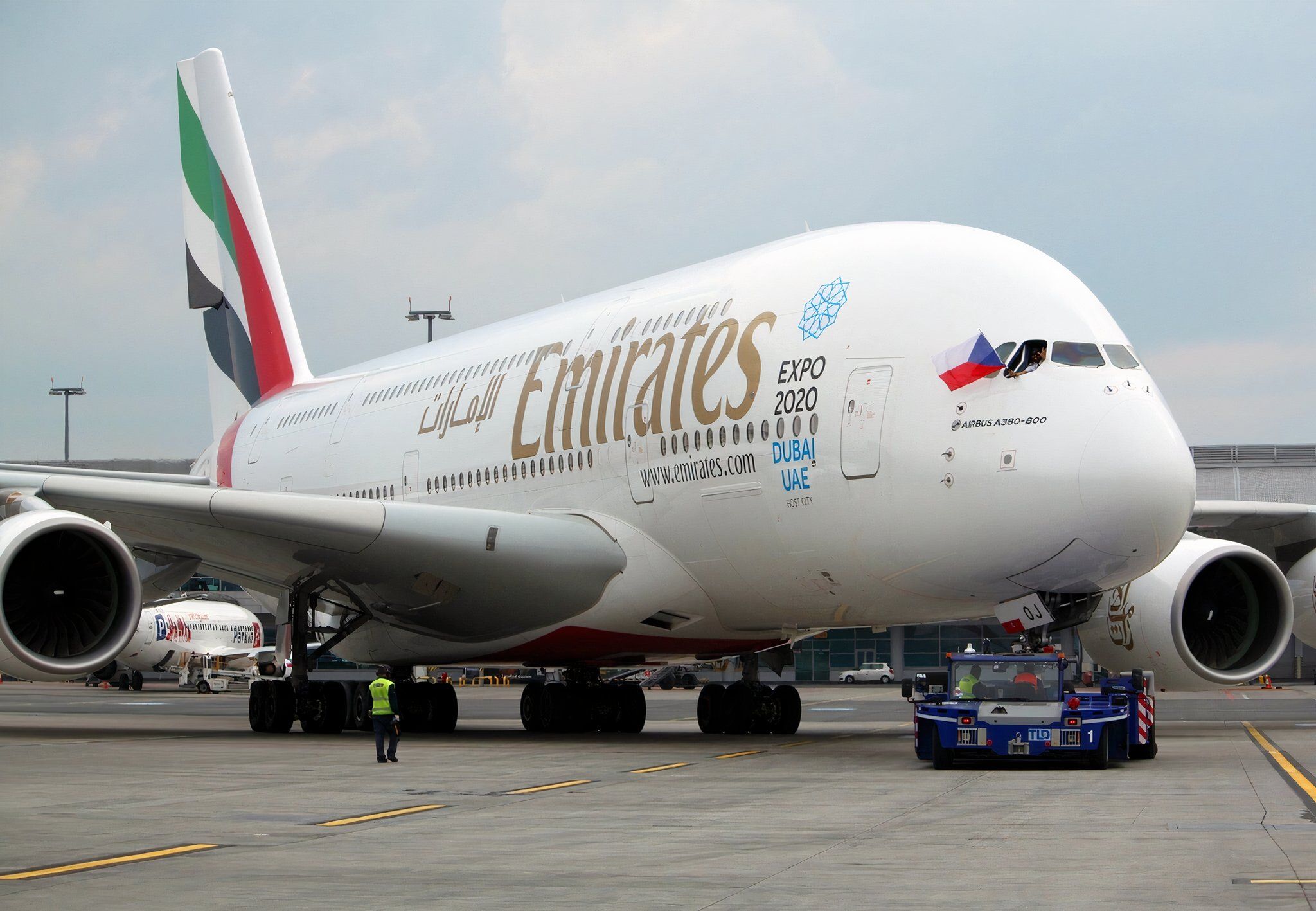
Photo: Prague Airport
According to Rolls-Royce, the UltraFan offers a 25% fuel burn improvement compared to the first generation of Rolls-Royce
Trent engines, namely the Trent 700, used by the Airbus A330ceo aircraft family. Compared to the Trent XWB
engine family, which is the exclusive option for the A350-900 and A350-1000, the UltraFan would be 10% more fuel efficient.
Previously, Clark blasted the A350-1000’s
engine, the XWB-97, as being defective. During a media roundtable at the Dubai Airshow in November 2023, the Emirates executive remarked that its main issue was the engine’s reliability.
While the A350-1000 is a good aircraft, Clark said if the widebody’s engine met Emirates’ standards, the airline would reassess whether the largest member of the A350 aircraft family would suit the carrier’s fleet needs.

Related
Emirates President Says Airbus A350 Engine Is ‘Defective’
Tim Clark stated that the engines of the Airbus A350-1000 cannot perform properly, which is why the airline has not ordered the A350-1000.
Echoing statements
This was not the first time that Clark expressed hopes for resumption of the production of the A380, with the executive sharing the sentiment in August 2022 and June 2023. Similar to his previous comments, the President of the  Dubai International Airport
(DXB)-based airline suggested the basics: lighter materials and next-generation engines, including the Rolls-Royce Ultrafan.
Nevertheless, restarting production of the A380 would be challenging for Airbus. Before halting assembly of the Superjumbo in 2021, Airbus announced in January 2020 that the A380’s final assembly line (FAL) would be replaced by additional production capacity for the A321neo.
“By mid-2022 the current A380 Lagardère facility in Toulouse will accommodate a digitally-enabled A321 line as a step to modernize the A320 production system in Toulouse.”
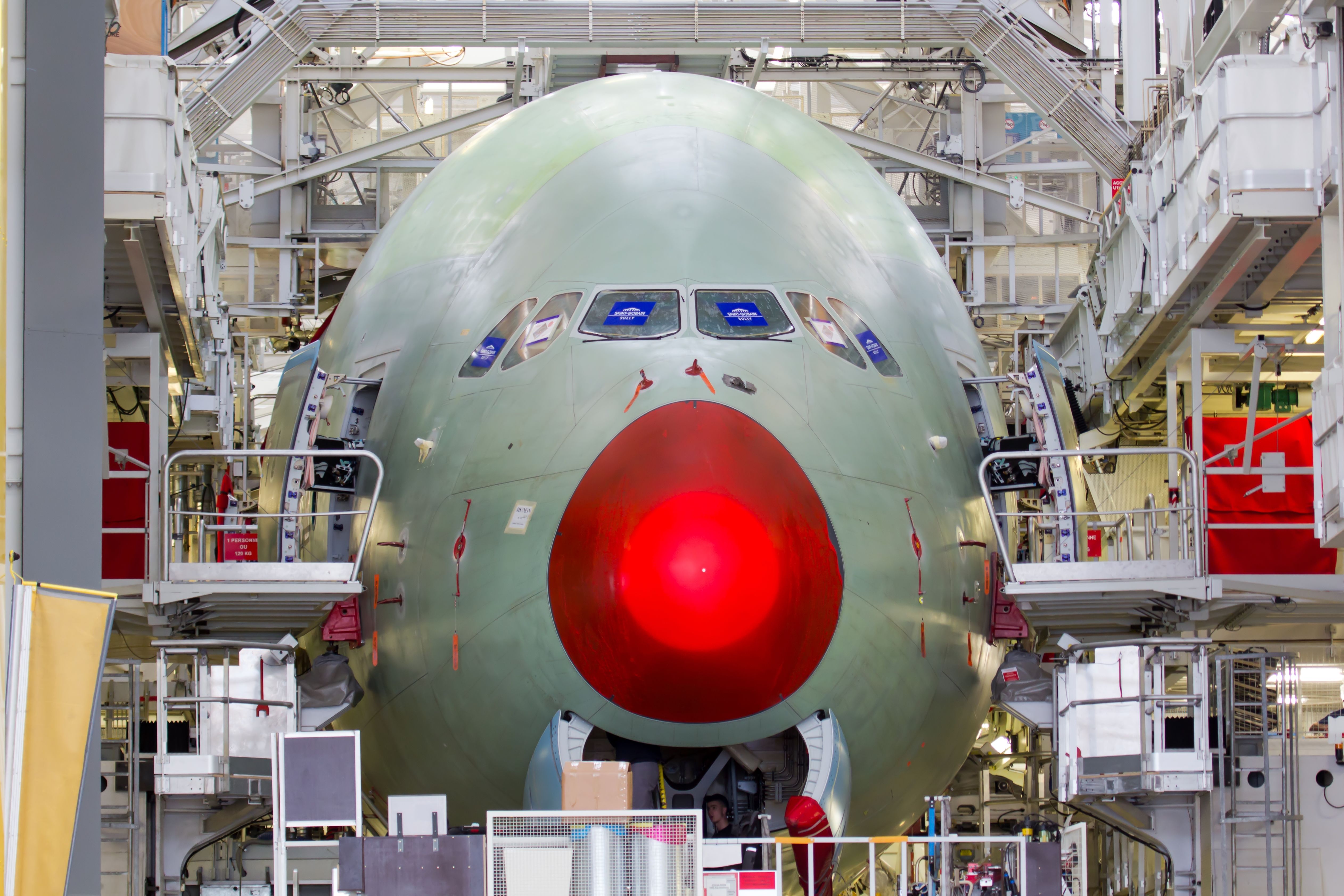
Photo: Skycolors | Shutterstock
In December 2023, Airbus delivered the first A321neo
assembled in Toulouse, France, to Pegasus Airlines. The delivery reflected the company’s commitment to modernizing and meeting the growing demand for the A321neo, which at that point accounted for nearly 65% of Airbus’ A320 backlog.
At the same time, Christian Scherer, the chief executive officer (CEO) of Airbus Commercial Aircraft, whom Lars Wagner will replace in 2026, told Hamburg, Germany-based Hamburger Abendblatt that in this industry, nothing is ever ruled out.

Related
Airbus Says The Return Of The A380’s Production Is Not Ruled Out
The chances of the A380 comeback are still very low.
Making a case
Additionally, Clark made the point that, eventually, airport infrastructure will not be able to support the growing number of flights, especially in Europe and North America, where very few airports have been opened and/or expanded in the past few years.
The Emirates executive told Business Insider that it would be more beneficial, especially for airports, to have a 500-seat aircraft utilizing a slot rather than a 50-seat jet bringing only a handful of passengers.

Photo: Airbus
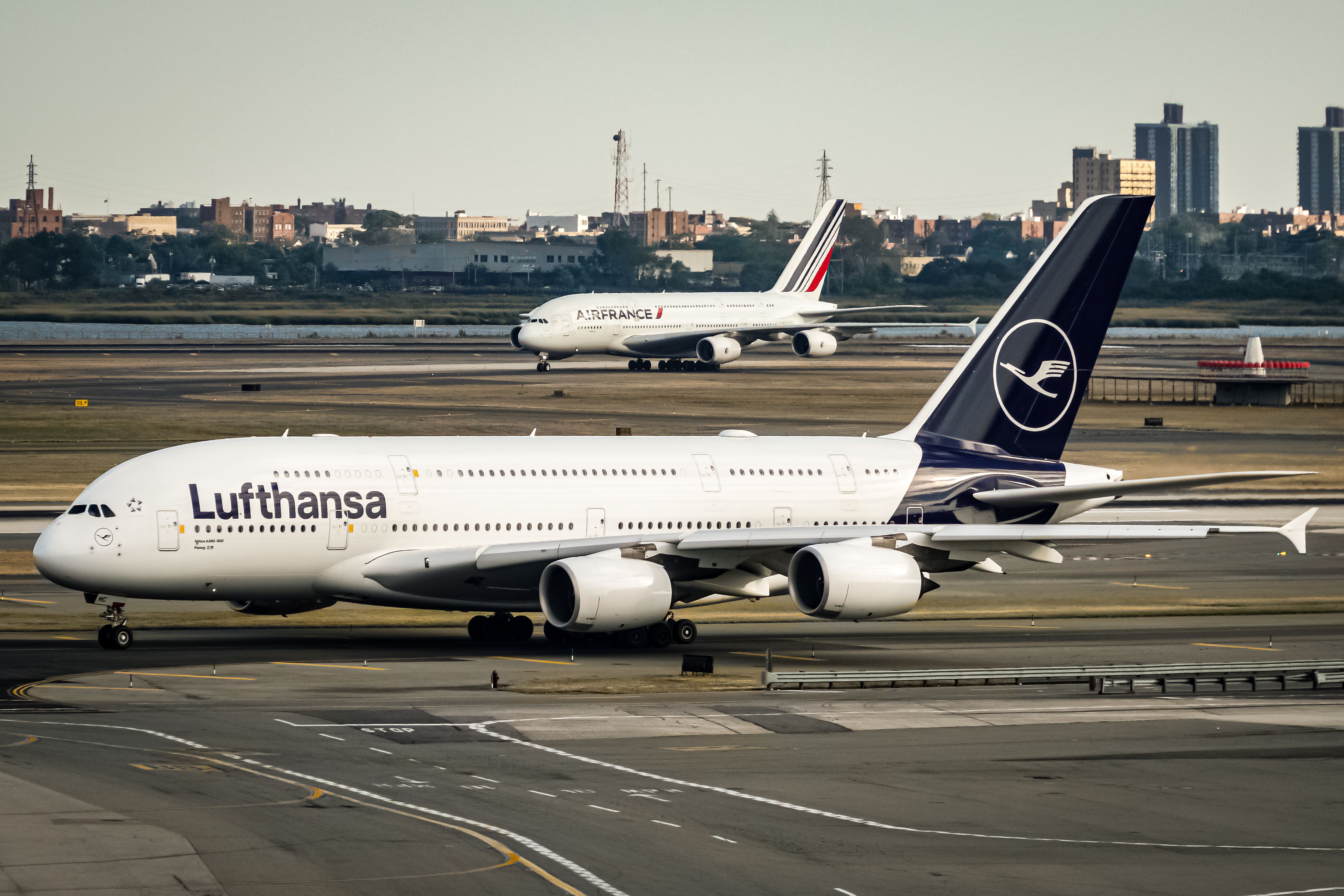
Out of the 251 A380 aircraft Airbus has built and delivered to customers, Emirates took delivery of 123 units or almost half of the total order book (Airbus kept the first A380 for its use, including hydrogen testing). This included the very last A380, registered as A6-EVS.
Related
IATA & ACI EUROPE Disagree On The Best Way To Allocate Airport Slots As Demand Rises
Both associations still agreed that reforms in Europe were a must to ensure the continent’s competitiveness.
