


The International Air Transport Association ( IATA
) stated that in 2024, global passenger demand reached record-breaking levels, even surpassing the demand that airlines saw in 2019.
Record-breaking statistics
In a review of passenger trends in 2024, IATA detailed that full-year traffic, measured in revenue passenger kilometers (RPK), climbed 10.4% compared to 2023 and was 3.8% higher than in 2019.
Capacity, measured in available seat kilometers (ASK), was 8.7% higher year-on-year (YoY), while the overall average load factor was 83.5%, “a record for full-year traffic.”
International traffic increased by 13.6% compared to 2023, while capacity rose by 12.8%. Domestic traffic grew 5.7% YoY, with capacity expanding by 2.5%.
Photo: Leonard Zhukovsky | Shutterstock
IATA noted that December was a strong end to 2024, with RPKs and ASKs rising by 8.6% and 5.5% YoY. During the month, airlines experienced record load factors of 84%.
Related
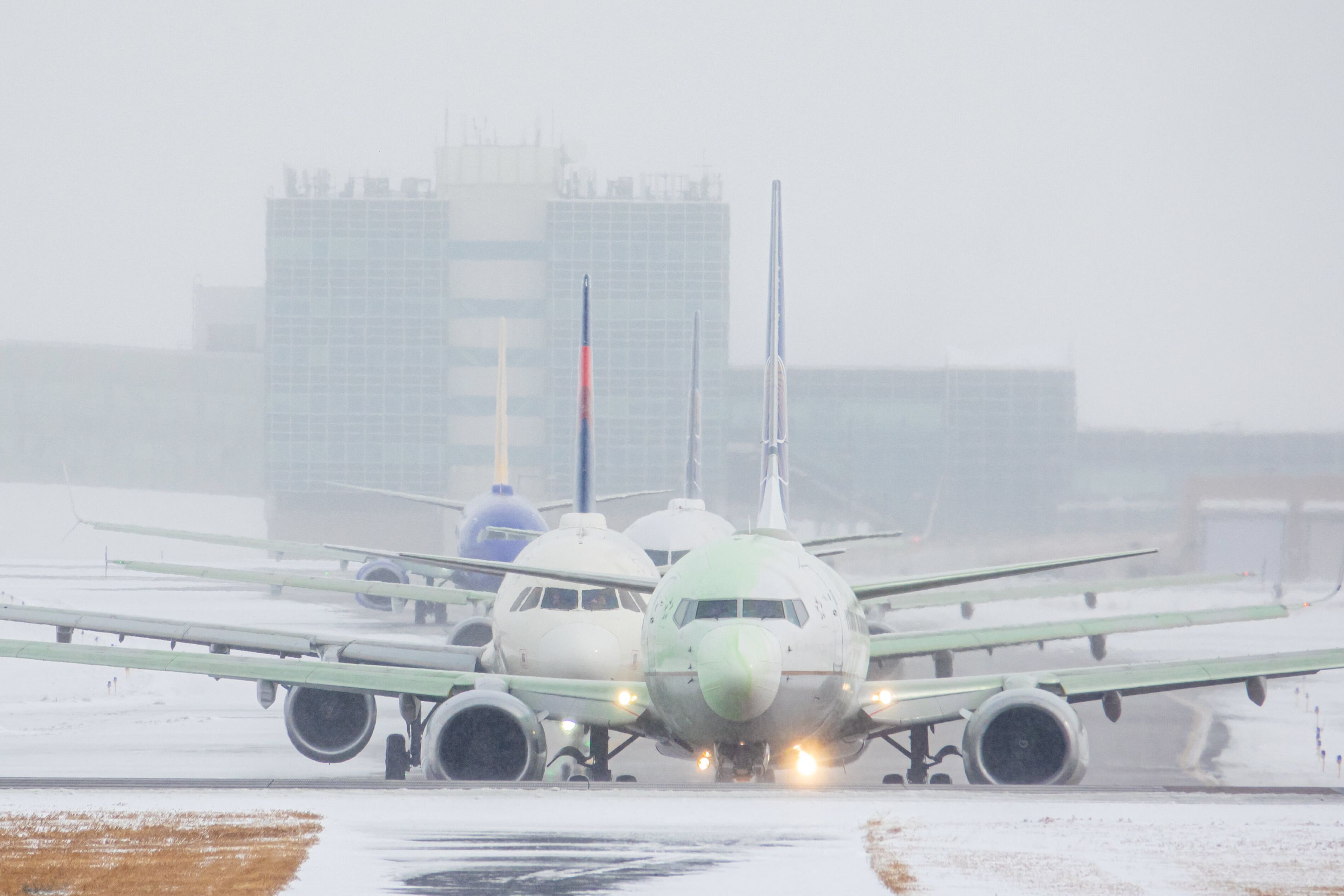
IATA Confirms That 2023 Passenger Traffic Was 94.1% Of Pre-Pandemic Levels
International and domestic air travel growth continued through 2023, exceeding pre-pandemic figures in several markets.
US continues to dominate domestic markets
IATA’s statistics showed that in 2024, the US domestic market continued expanding. The market, which holds a 14.4% market share of net RPKs, grew demand and capacity by 3.7% and 3.3%, respectively. Average load factors improved by 0.3% to 84.1%.
Japan was the only major domestic market with average load factors below 80%. The market, which accounts for 1% of net RPKs, averaged 78% load factors in 2024, with the market’s ASKs decreasing by 0.3% YoY. Still, demand grew by 3.2%.
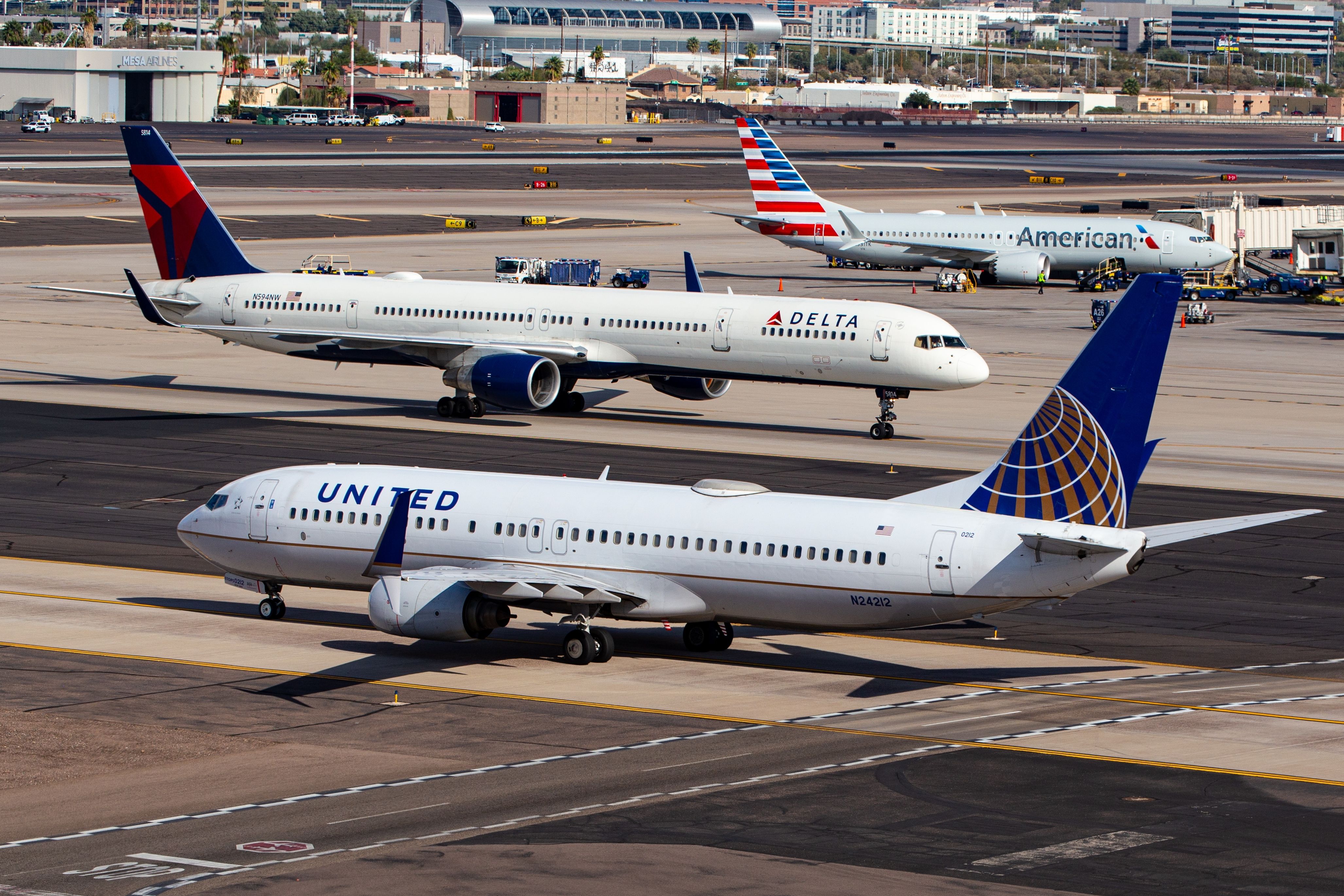
Photo: Wenjie Zheng | Shutterstock
The second-largest domestic market, China, grew its RPKs significantly, with its airlines enjoying demand rising by 12.3% despite only adding 3.1% more capacity YoY. Compared to 2023, average load factors climbed beyond the 80% mark, with an increase of 6.8%, resulting in aircraft operating domestic flights in China being 83.2% full on average.
Internationally, North America, while reporting a 14.4% traffic rise with a capacity climb of 14.3% YoY, had a slight decrease in average load factors, which fell by 0.1% to 84.8%.

Related
Supply Chain Issues Will Continue To Affect Airline Performance In 2025
IATA noted that aircraft deliveries have fell by 30% compared to their peak in 2018.
Demand will continue to grow
Discussing the numbers, Willie Walsh, the director general of IATA, said that 2024 made it abundantly clear that people want to travel, with the industry’s numbers reaching record levels domestically and internationally.
“Airlines met that strong demand with record efficiency. On average, 83.5% of all seats on offer were filled—a new record high, partially attributable to the supply chain constraints that limited capacity growth.”
Walsh noted that the growth of the aviation industry reverberates across societies and economies, creating jobs, developing markets, encouraging trade and innovation, urging people to explore, and much more.
“Looking to 2025, there is every indication that demand for travel will continue to grow, albeit at a moderated pace of 8.0% that is more aligned with historical averages. The desire to partake in the freedom that flying makes possible brings some challenges into sharp focus.”
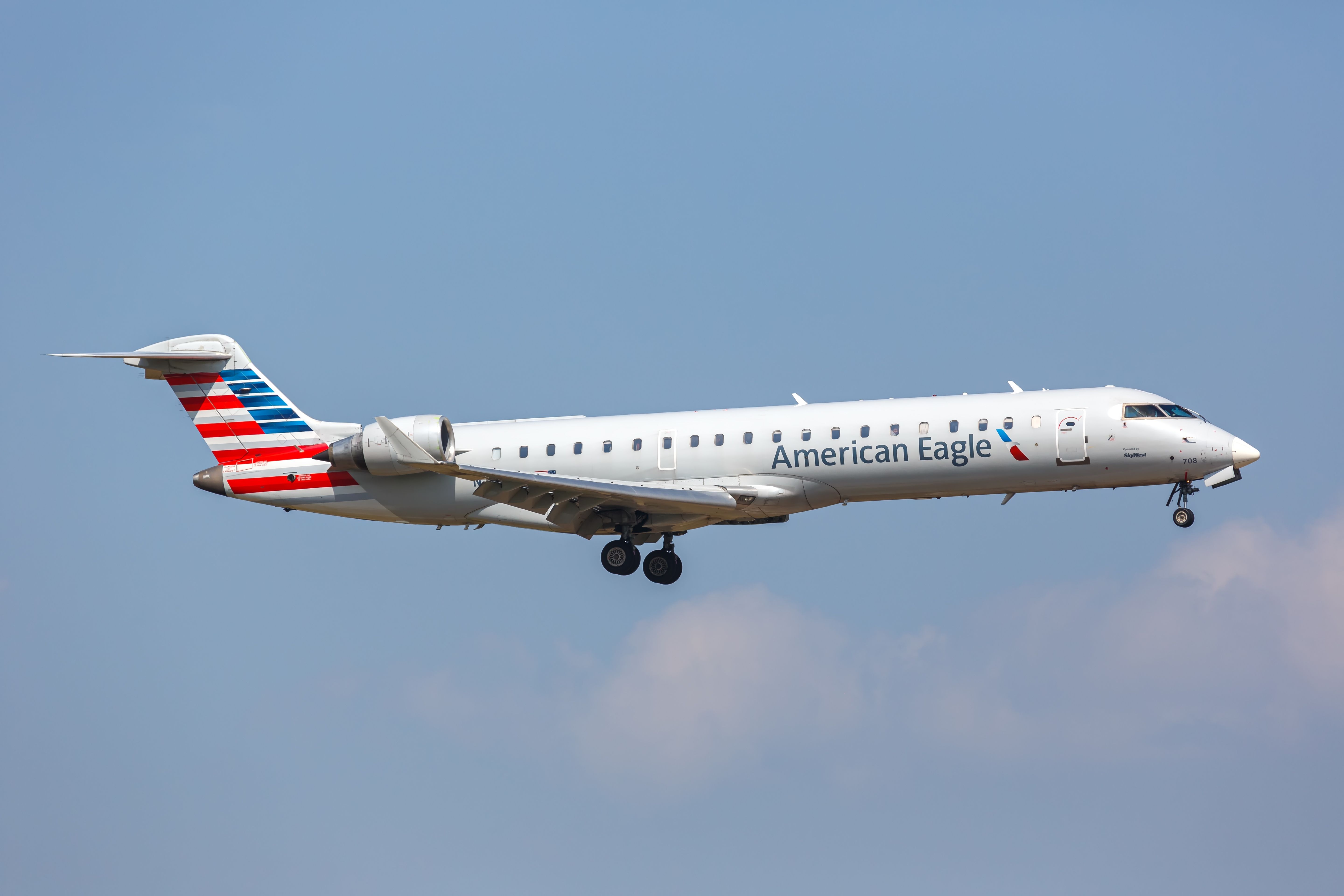
Photo: Markus Mainka | Shutterstock
Walsh noted that the crash near Ronald Reagan Washington National Airport
(DCA) strongly reminded the industry that safety needed continuous efforts, sharing the association’s thoughts with the affected families and friends.
Another challenge was the sustainability goals of airlines, including net-zero carbon emissions by 2050. Despite carriers’ record investments in sustainable aviation fuels (SAF) in 2024, only 0.5% of fuel needs were met with SAF.
“SAF is in short supply and costs must come down. Governments could fortify their national energy security and unblock this problem by prioritizing renewable fuel production from which SAF is derived.”
Walsh concluded that diverting a fraction of the subsidies for fossil fuel extraction to support renewable energy capacity would boost economies and ensure energy supplies.
Related
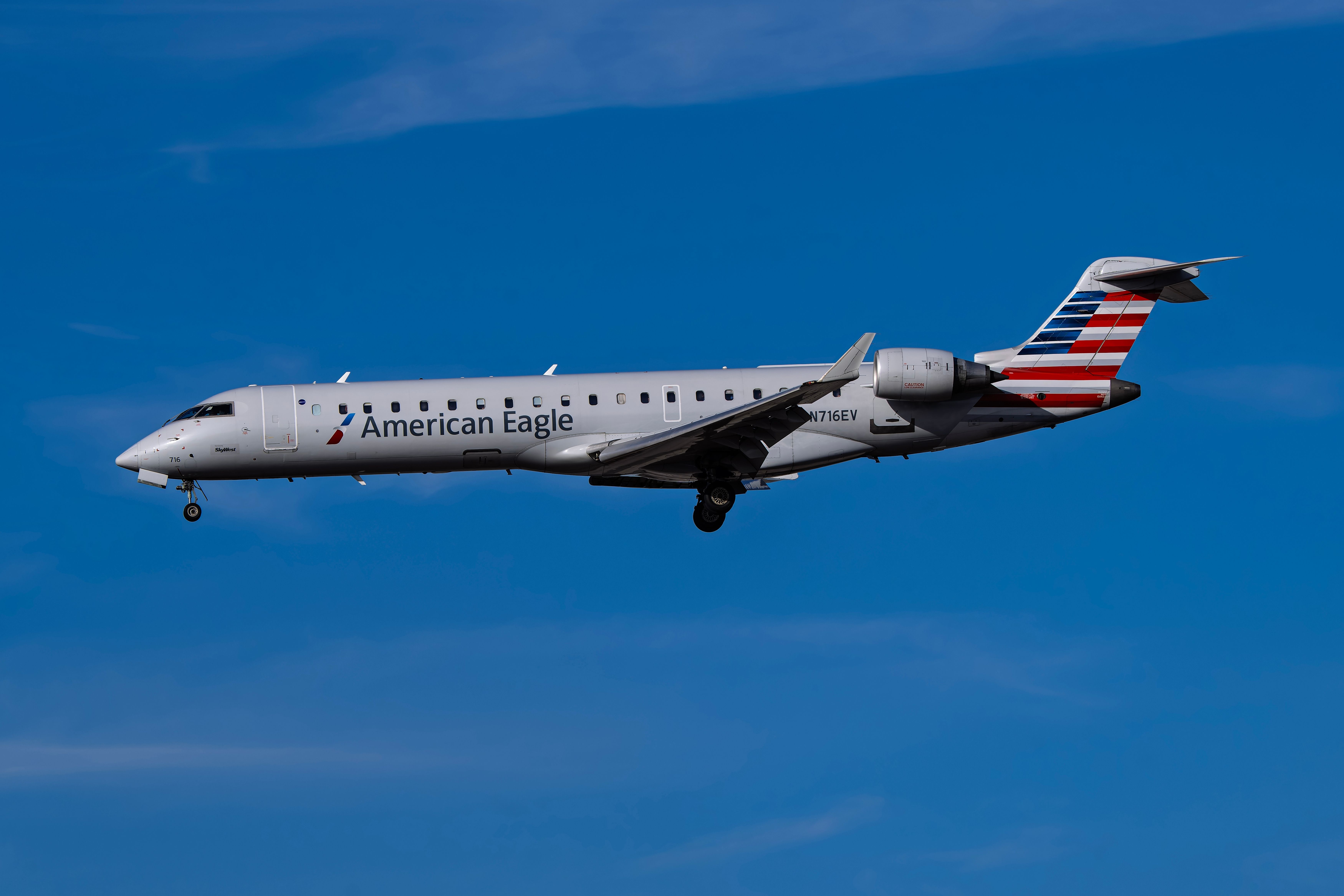
American Eagle Flight 5342 Crash Raises Questions Of Congestion In DC Airspace
The local airport authority noted that pilots described Washington-National as one of the most challenging in the US.
