


In a statement, the South Korean Ministry of Land, Infrastructure and Transport (국토교통부, MOLIT) has said that it will form a safety innovation committee following the two high-profile events involving Air Busan and Jeju Air
.
Improving the safety situation
In a statement on February 4, MOLIT said that as a follow-up measure after the Air Busan aircraft fire and the Jeju Air flight 7C2216
fatal accident, it would form the ‘Aviation Safety Innovation Committee’ as part of its mission to improve aviation safety in the country.
The committee’s first meeting convened on February 4, with stakeholders, including experts from the private sector, electing a chairperson to lead the committee who would set the direction and goals for the body. The committee includes around 20 experts in aviation safety and airports.
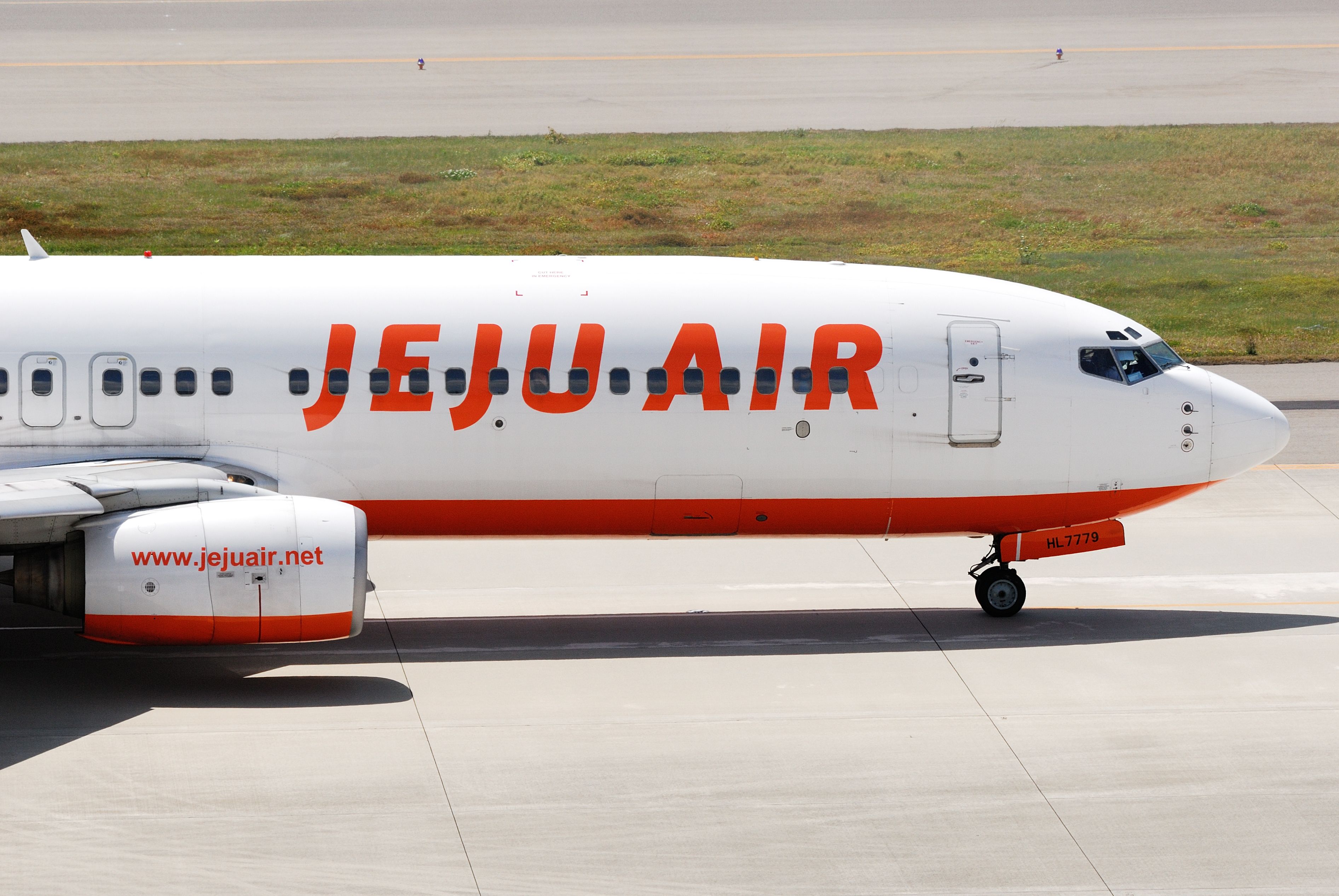
Photo: viper-zero | Shutterstock
MOLIT noted that the committee will be active for around ten weeks until April, with the 20 experts being divided into two divisions: the ‘Aviation Safety Division’ and ‘Airport Facility Improvement Division.’
“In the future, the committee plans to discuss various measures to reform the aviation safety system, including strengthening safety reviews when issuing airline operating licenses, improving the aviation safety investment disclosure system, revising airport construction and operation regulations, and improving airport operation certification and operational inspections, as well as issues that were mainly pointed out during the recovery process of the [Jeju Air accident].”
Related
South Korean Transport Minister Will Resign In Wake Of Jeju Air Crash
Park Sang-woo said he would resign as soon as the current crisis, related to the Jeju Air crash, ends.
Plan for institutional improvements
The statement continued that the committee should establish a plan to suggest institutional improvements to air safety by the end of March. The plan would be based on on-site inspections of airlines and airports, as well as an analysis of foreign and domestic incidents.
In April, the committee will hold a public hearing to hear feedback about the plan to improve the air safety situation in South Korea, which will result in the finalization of potential safety measures that would be implemented across the country.
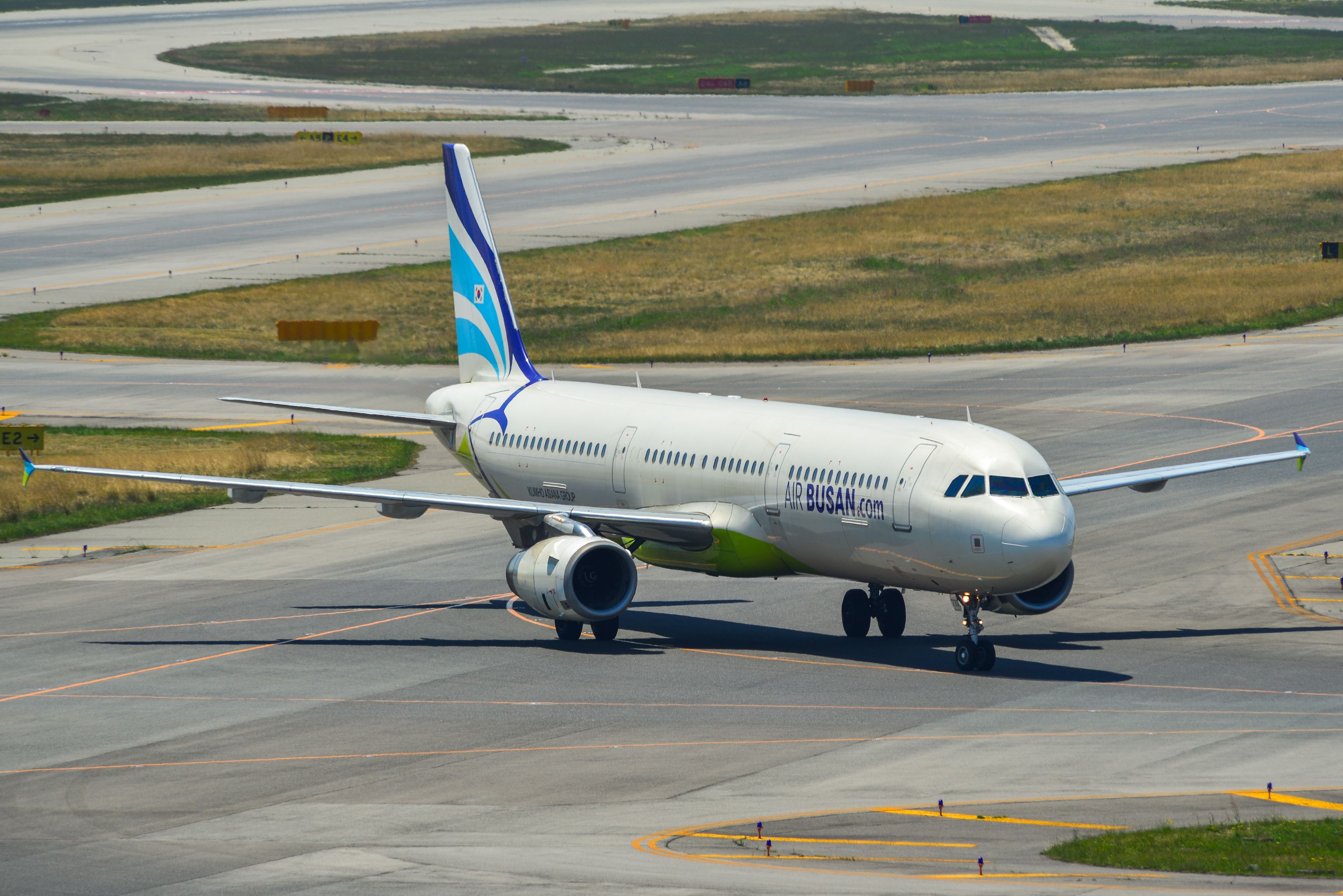
Photo: Phuong D. Nguyen | Shutterstock
Baek Won-Guk, the second vice minister of MOLIT, who presided over the committee’s first meeting, said that improving the safety situation in the country is a task that the government must prioritize.
“In order to restore trust in our country’s aviation safety system, the government will make a determined effort to rebuild the aviation safety system from scratch.”
Related
South Korea Extends Muan International Airport Shutdown After Jeju Air Crash
The airport will remain closed until at least January 14, according to South Korean officials.
High-profile and fatal safety events
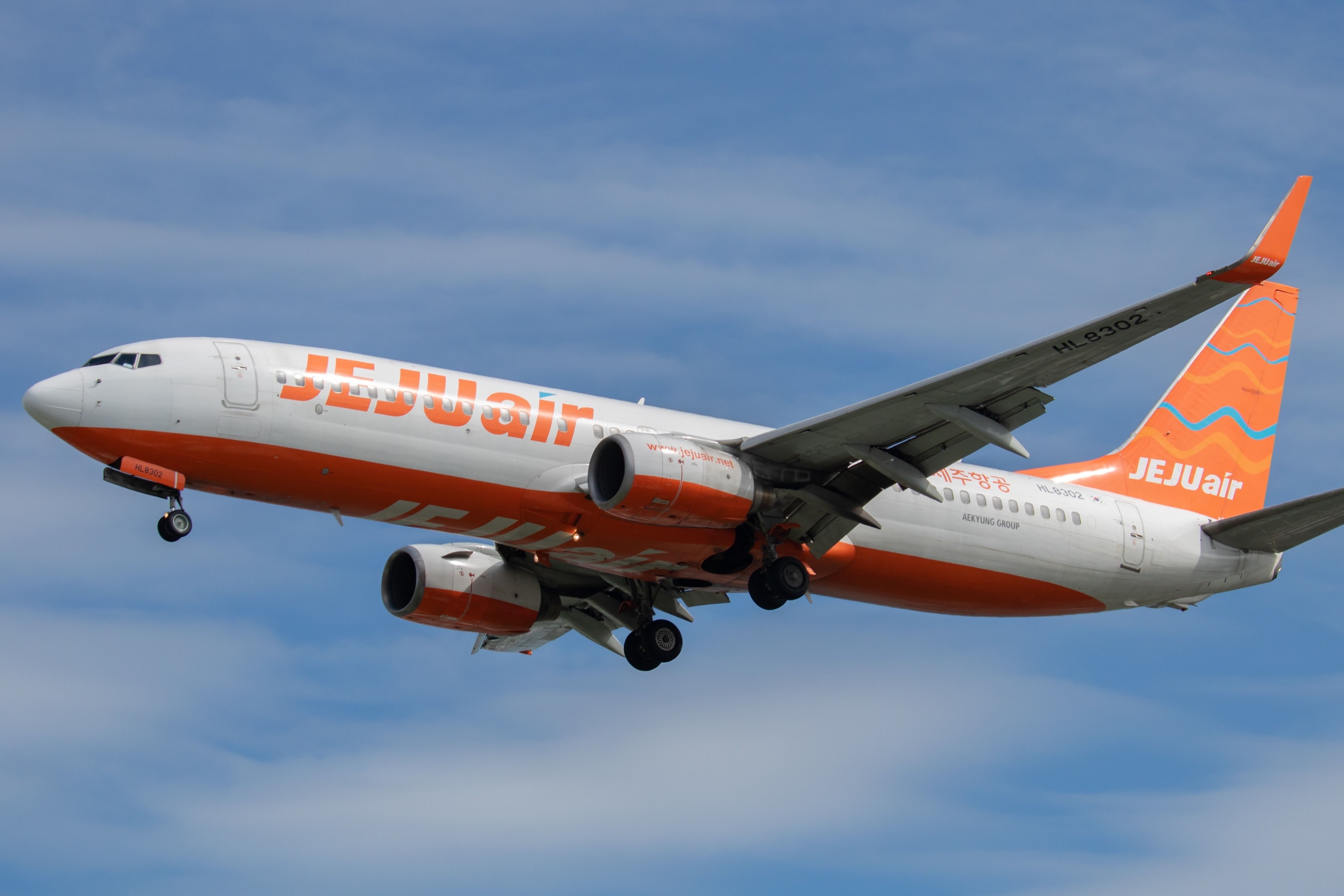
Over the past few weeks, South Korea experienced two high-profile safety events. On December 29, a Jeju Air Boeing 737-800
, registered as HL8088, crashed while attempting a belly landing at Muan International Airport (MWX), while on January 28, an Air Busan Airbus A321ceo, registered as HL7763, caught fire while on the ground at Gimhae International Airport (PUS).
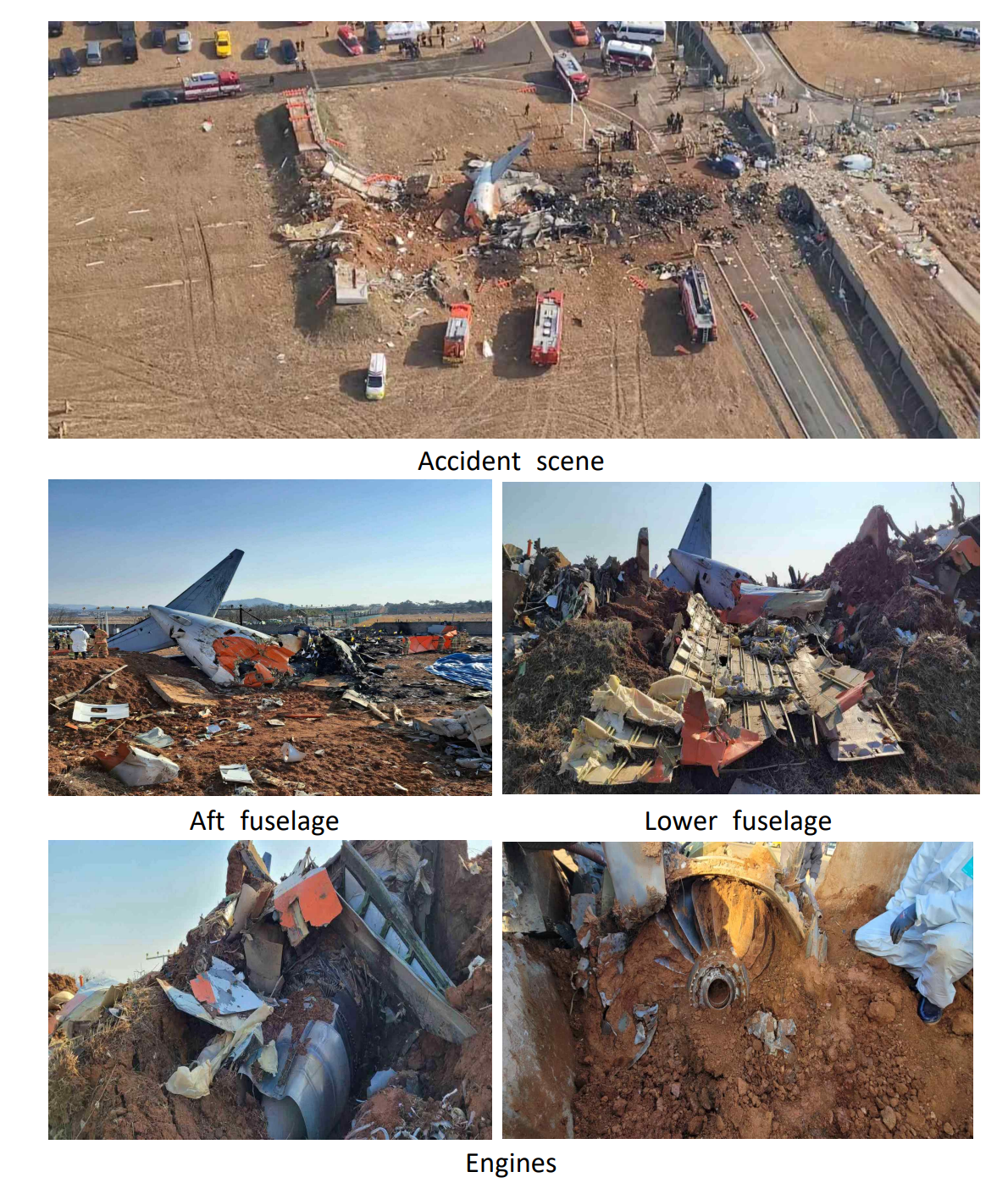
Photo: ARAIB
The Jeju Air accident resulted in the deaths of 177 passengers and flight crew, while all 176 people onboard the Air Busan aircraft, including the flight crew, safely evacuated the aircraft.
While the South Korean Aviation and Railway Accident Investigation Board (항공·철도사고조사위원회, ARAIB) has not published a preliminary report about the Air Busan incident, the investigators said that the Jeju Air 737-800 suffered a bird strike during its go-around, forcing the pilots to attempt a belly landing in Muan, where the aircraft slid down the runway and crashed into a concrete structure that is part of the localizer antenna system in its preliminary report about the incident.
Related
Jeju Air Boeing 737 Struck Flock Of Birds Before Fatal Crash
South Korean investigators confirmed that both recorders stopped several minutes before the Jeju Air aircraft crashed at Muan International Airport.
