

Big Push to Biogas and Bio-CNG in Uttar Pradesh; Government-Backed Plant to Come Up in Mathura – Indian PSU

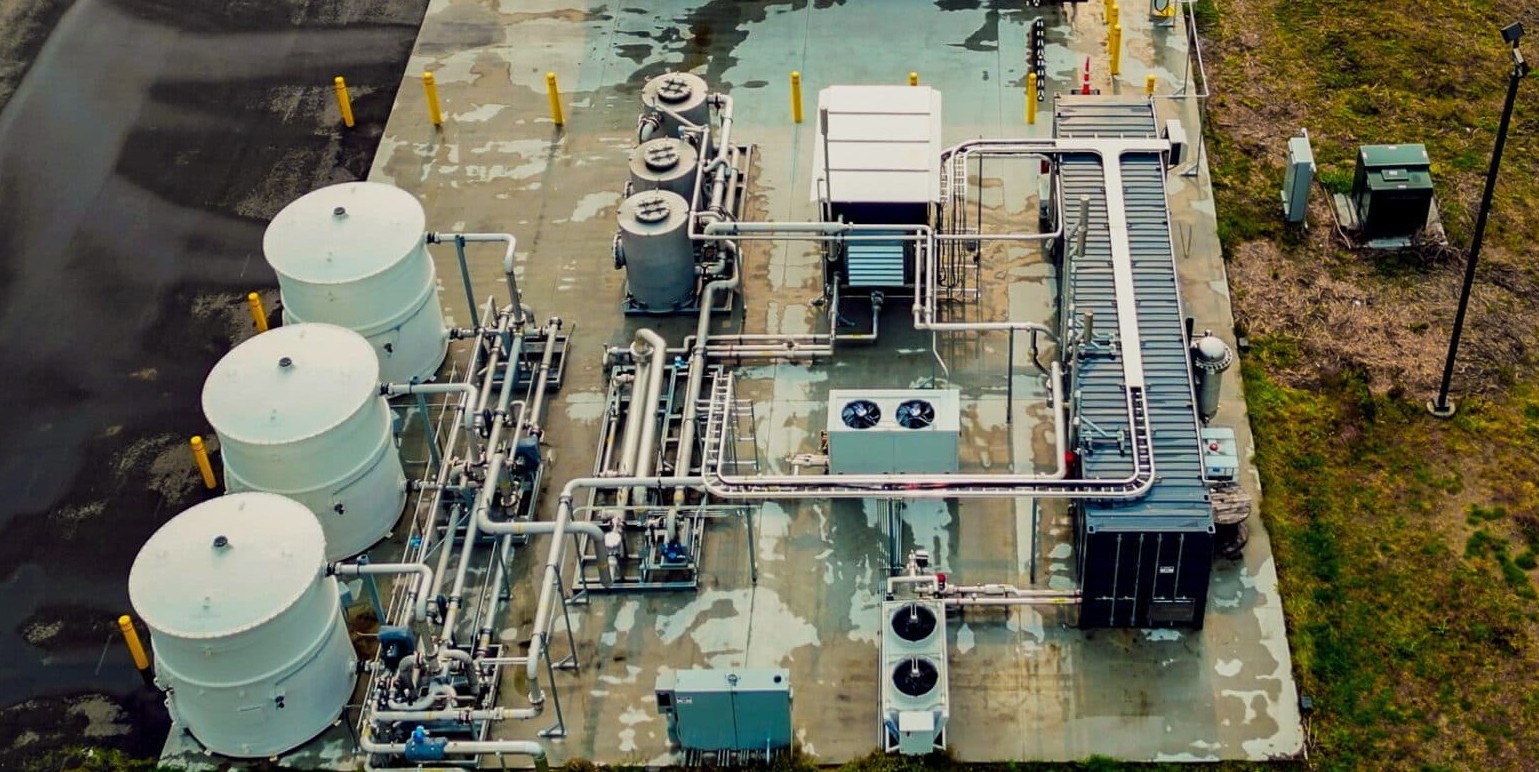
Uttar Pradesh is preparing to roll out one of its most ambitious rural bio-energy initiatives with the setting up of a large Biogas and Bio-CNG production facility in Mathura, aimed at integrating renewable energy generation, cattle welfare, scientific fodder production and farmer livelihood support under a single ecosystem.
The upcoming project will be developed through a three-tier agreement among the Uttar Pradesh Government’s Livestock Department, Pandit Deendayal Upadhyay Veterinary University and Cow Research Institute and the Food and Agriculture Organization (FAO), the specialised United Nations agency working in the field of food security and sustainable agriculture.
Sources said the final round of discussions on the agreement has already been completed in Lucknow in the presence of Chief Minister’s Advisor G.N. Singh, FAO India Representative Takayuki Hagiwara, Additional Chief Secretary (Livestock) Mukesh Meshram and Vice Chancellor of the Veterinary University Dr. Abhijit Mitra. The formal signing of the MoU is expected by May.
The plant will be established on the Veterinary University’s vast land parcel at Madhuri Kund in Govardhan, covering nearly 1,400 acres. Officials said the integrated campus will serve multiple objectives beyond energy production.
Apart from Bio-Gas and Bio-CNG generation, the land will be utilised for cultivation of green fodder crops such as sorghum, oats, berseem and lucerne, while scientific sprouted cattle feed and silage will also be produced to ensure year-round nutritional support for livestock.
A significant portion of the land will additionally be earmarked for conservation and shelter of cattle, thereby linking the state’s gaushala ecosystem directly with the bio-energy chain.
Cow dung required for the plant will be procured by connecting all major goshalas in Mathura district with the project. Agricultural residue generated in surrounding areas will also be used as feedstock, making the facility a circular economy model based on waste-to-wealth principles.
Officials associated with the project said the Bio-CNG generated at the plant will be commercially marketed, creating a sustainable revenue stream, while a scientific procurement mechanism for cow dung will ensure direct economic gains for farmers and gaushala operators.
Under the partnership, Food and Agriculture Organization will provide technical know-how, scientific guidance and expert support for bio-energy production, green fodder systems, cattle nutrition and disease surveillance.
The initiative will also be linked with FAO’s globally recognised One Health framework, under which animal health, human health and environmental health are treated as interconnected sectors. Officials believe that healthier livestock, better feed quality and improved disease monitoring will have long-term benefits for milk quality, rural nutrition and public health.
Meanwhile, the Veterinary University has also indicated that a new Veterinary College is being developed in Gorakhpur and is expected to be operational by the end of 2027. Once that campus becomes functional, a similar integrated Bio-Gas and Bio-CNG initiative may also be implemented there.
The Mathura project is being seen as a strategic convergence of clean energy, livestock economy, rural employment, gaushala sustainability and environmental management — areas that the Uttar Pradesh government is increasingly prioritising in its long-term development agenda.
