


The National Transportation Safety Board ( NTSB
) has released its report on a United Airlines
flight that ended in a damaged fuselage due to pilot inputs. The Boeing 767 was landing in Houston from Newark when the nose gear of the plane touched down with such force that it caused significant damage.
What happened on United Airlines flight 702?
The incident in question happened at around 10:34 at Houston George Bush Intercontinental Airport
(IAH) in Texas. A Boeing 767-300ER (registered N641UA) from Newark Liberty International Airport (EWR) took off normally and reported no issues on its flight to Texas.
Related
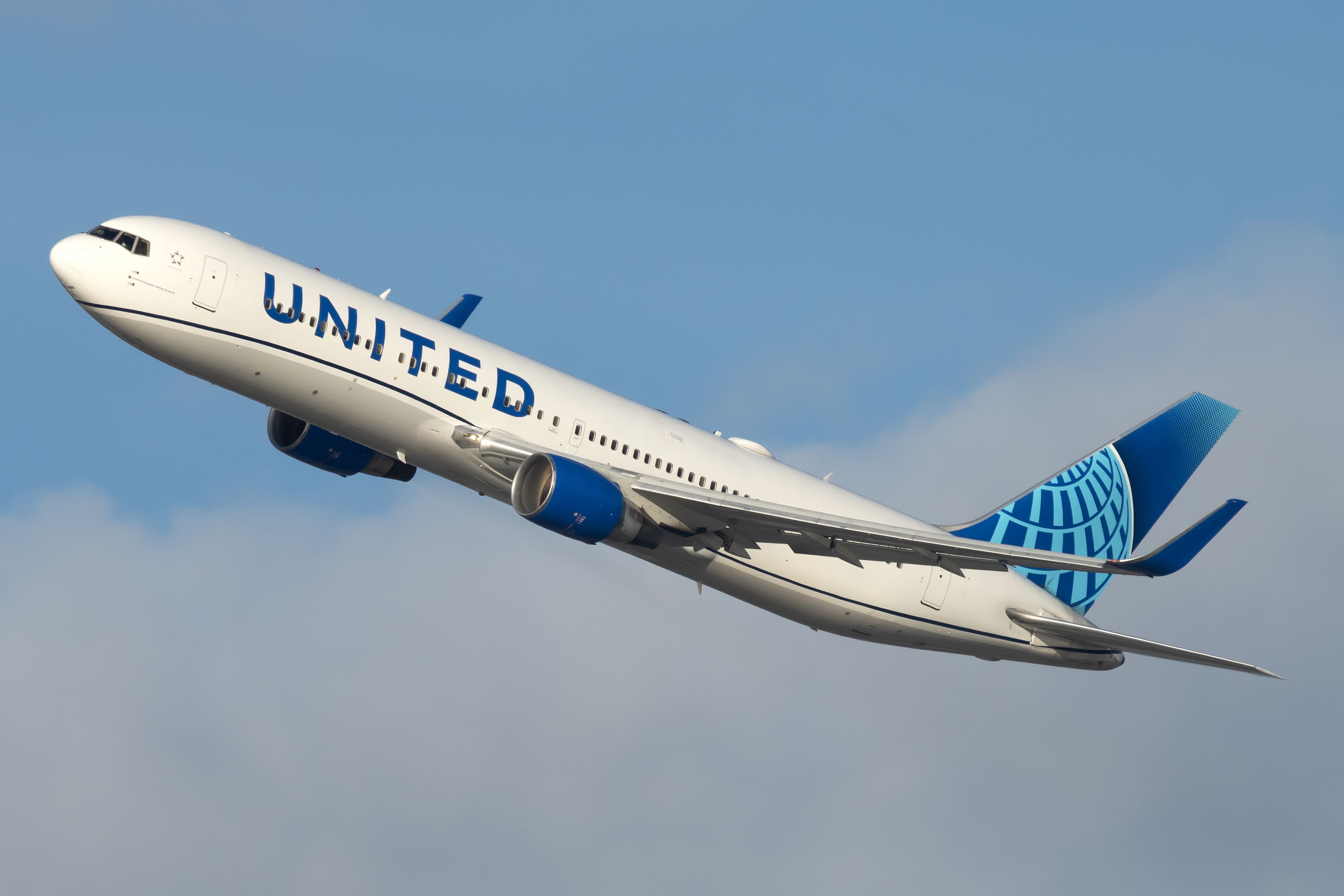
United Airlines Boeing 767 Damaged After Hard Houston Landing
The Boeing 767-300ER suffered substantial damage on arrival from Newark.
The aircraft was being flown by the First Officer, who had been at the airline for less than six months, with a qualified captain monitoring in the other seat. The aircraft was cleared for an instrument landing system approach to runway 26L. According to the flight crew, the airplane was fully configured for landing, on speed, and in compliance with the company’s stable approach criteria, and the initial touchdown on the main wheels was normal.
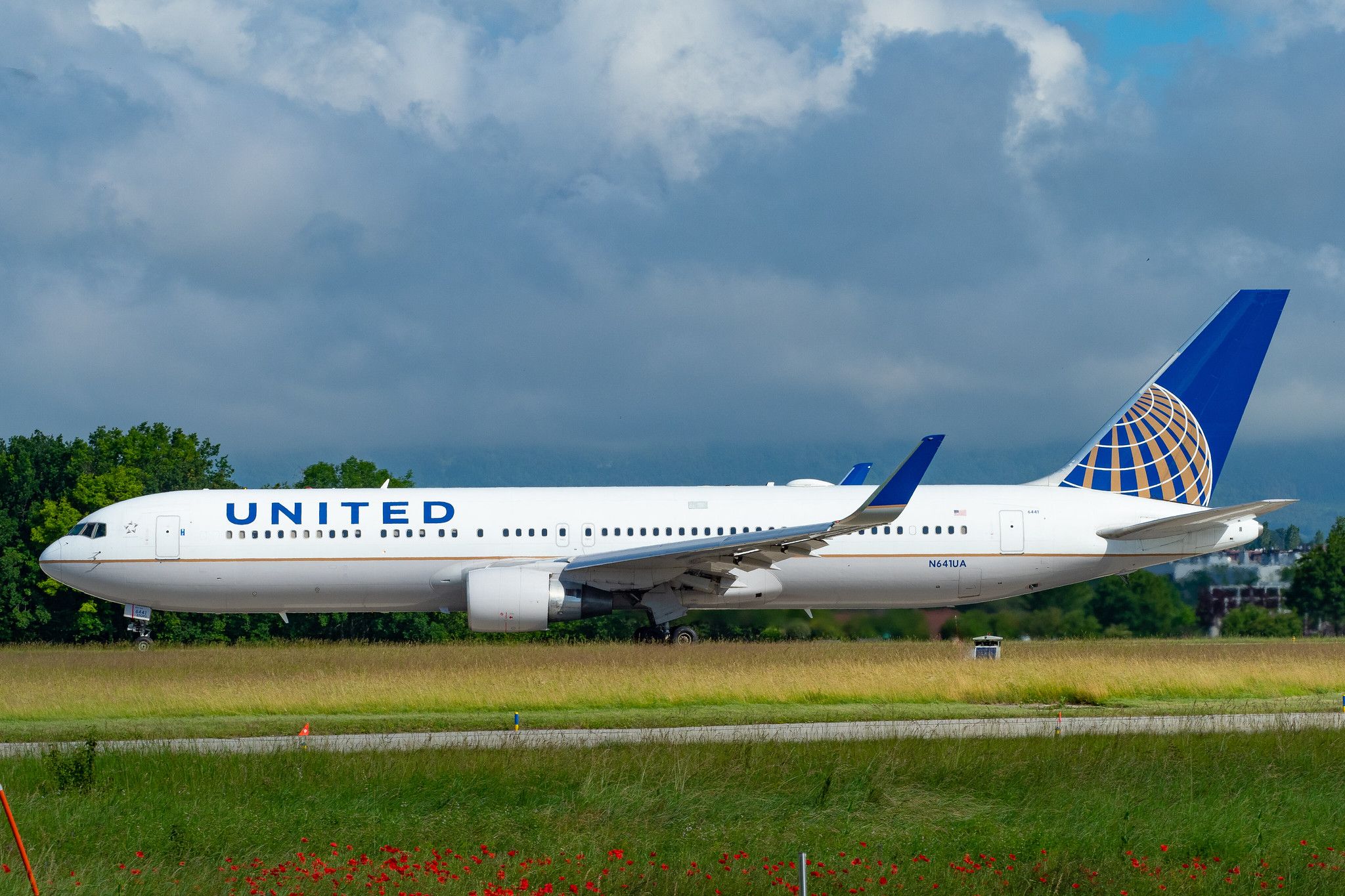
Once the main wheels touched down, the First Officer stated that he held aft pressure on the control yoke to keep the nosewheel from hitting the runway, but the nosewheel contacted the runway with “abnormal force.” When the nose of the airplane bounced, he reacted by pulling back on the control yoke to keep the nosewheel from impacting the runway a second time.
The first officer applied the thrust reversers, the speed brakes deployed, and the nosewheel bounced a second time. Subsequently, the nosewheel impacted the runway a third time, and the airplane began to decelerate normally. The Captain assumed control of the aircraft, and the remainder of the landing rollout was
normal.
A postaccident examination of the airplane revealed that the abnormal nosewheel impacts with the runway caused substantial damage to the fuselage. The fuselage skin was buckled and fractured, and the underlying stringers and frames were damaged. The aircraft was ultimately repaired and, following extensive testing, returned to operational service. It continues to fly for the airline today.
Related
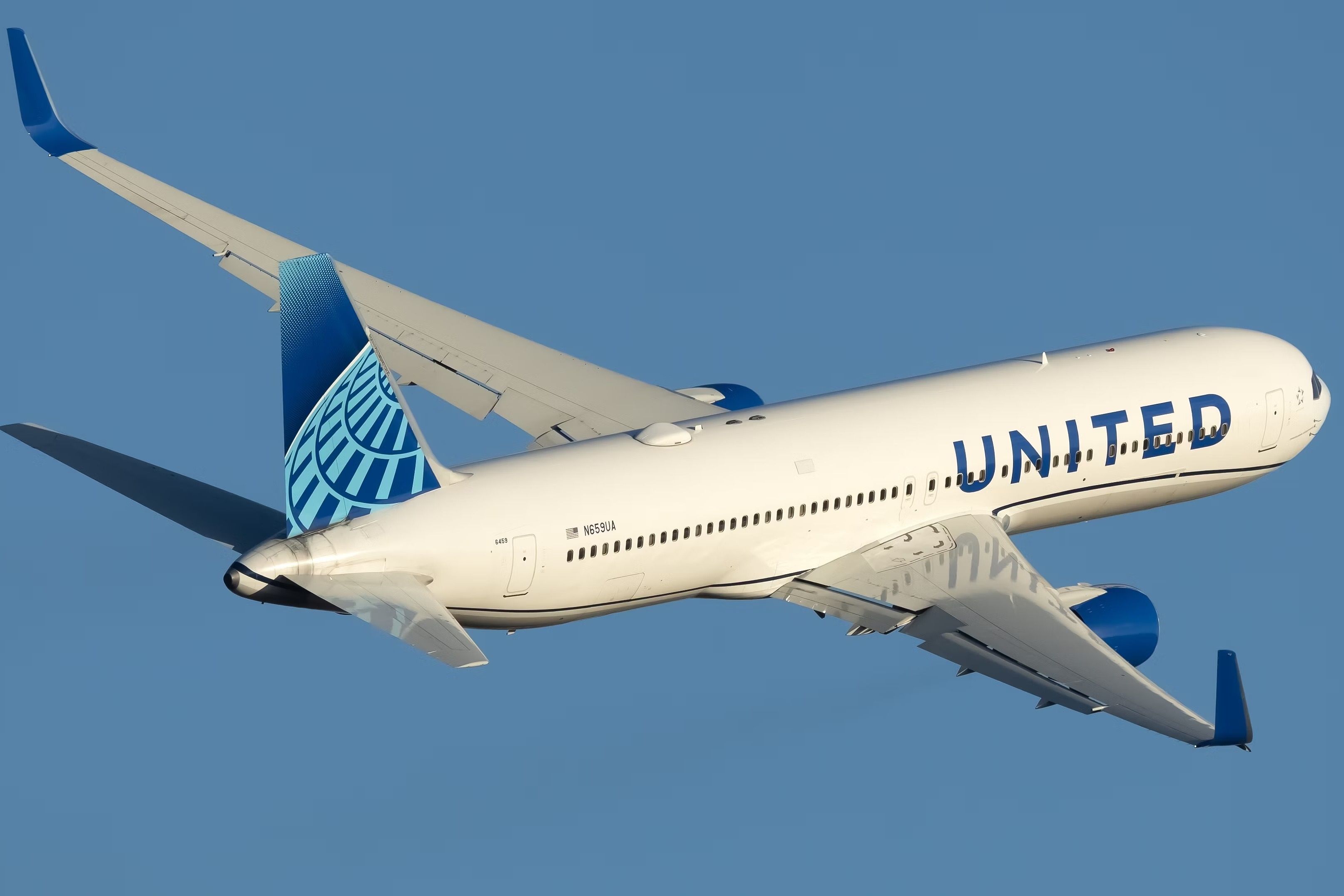
United Airlines Repairs 33-Year-Old Boeing 767-300ER That Suffered A Wrinkled Fuselage
The aircraft returned to service last month.
None of the 193 passengers or nine crewmembers were injured in the incident.
What did the NTSB have to say?
In a copy of the final report, which was provided to Simple Flying by the NTSB, the nation’s transportation safety agency found several contributing factors to the incident. Although the first officer stated he held aft pressure on the control column during the initial touchdown, flight data showed that he also made nose-down column inputs during the landing sequence. These nose-down inputs contributed to the nosewheel abnormally impacting the runway.
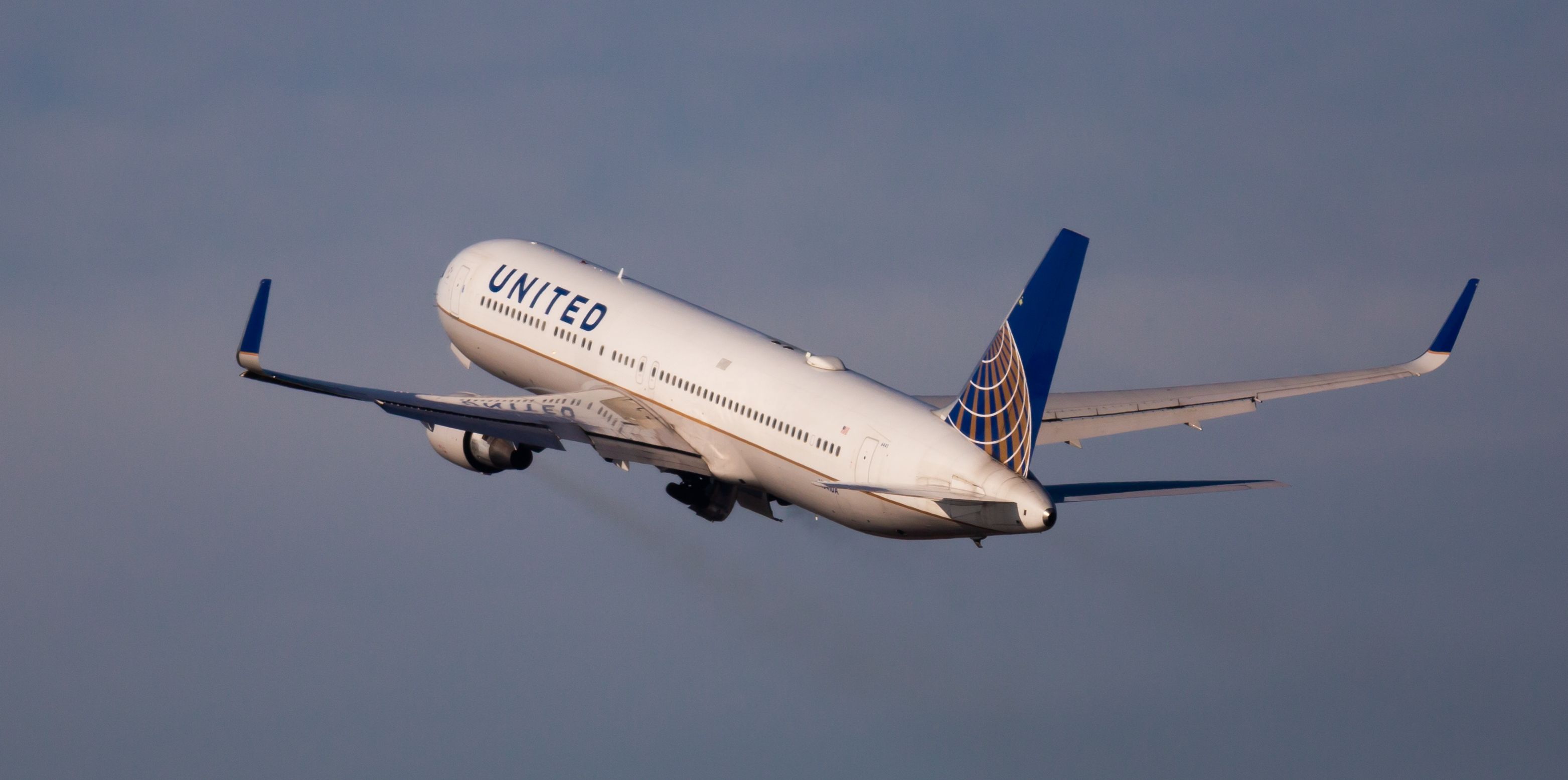
Photo: BearFotos | Shutterstock
The NTSB also found that the speed brakes were not armed before landing and after the airplane’s first bounce; data showed the speed brakes automatically deployed with the first officer’s application of the thrust reversers, as designed. Because deployment of the speed brakes with the thrust reversers occurred while the nosewheel was still in the air, the NTSB believes this likely contributed to the second abnormal runway contact of the nosewheel and the subsequent damage to the airplane.
Related
NTSB Shares Preliminary Report On United Airlines Boeing 767 Hard Landing In Houston
The NTSB has issued a preliminary report on what might be N641UA’s last landing, a hard landing with multiple bounces.
There were also human factors at play. The NTSB noted that the First Officer’s nose-down column inputs were contrary to United Airlines’ procedures and training. In its final report, The National Transportation Safety Board determined the probable cause of this accident to be:
“The first officer’s improper control inputs after the airplane touched down.
“Contributing to the severity of the damage was the flight crew’s lack of recognition that the speedbrakes were not armed, which led to their delayed deployment.”
According to the investigation, the First Officer had accumulated about 129 flight hours in the accident airplane’s make and model before the incident, compared to the Captain’s 5,500 hours in the same aircraft.
