


Qantas
has rejoined the Association of Asia Pacific Airlines (AAPA) with immediate effect, the association said in a statement on January 20.
Strengthening the association’s voice
In a statement, Subhas Menon, the Director General (DG) of AAPA
, said that the association was honored to welcome back Qantas as a member of AAPA. The leading Australian airline, with a long heritage and a history spanning more than 100 years, would strengthen the association’s voice in international aviation policy discussions and reinforce effective regional collaboration, Menon added.
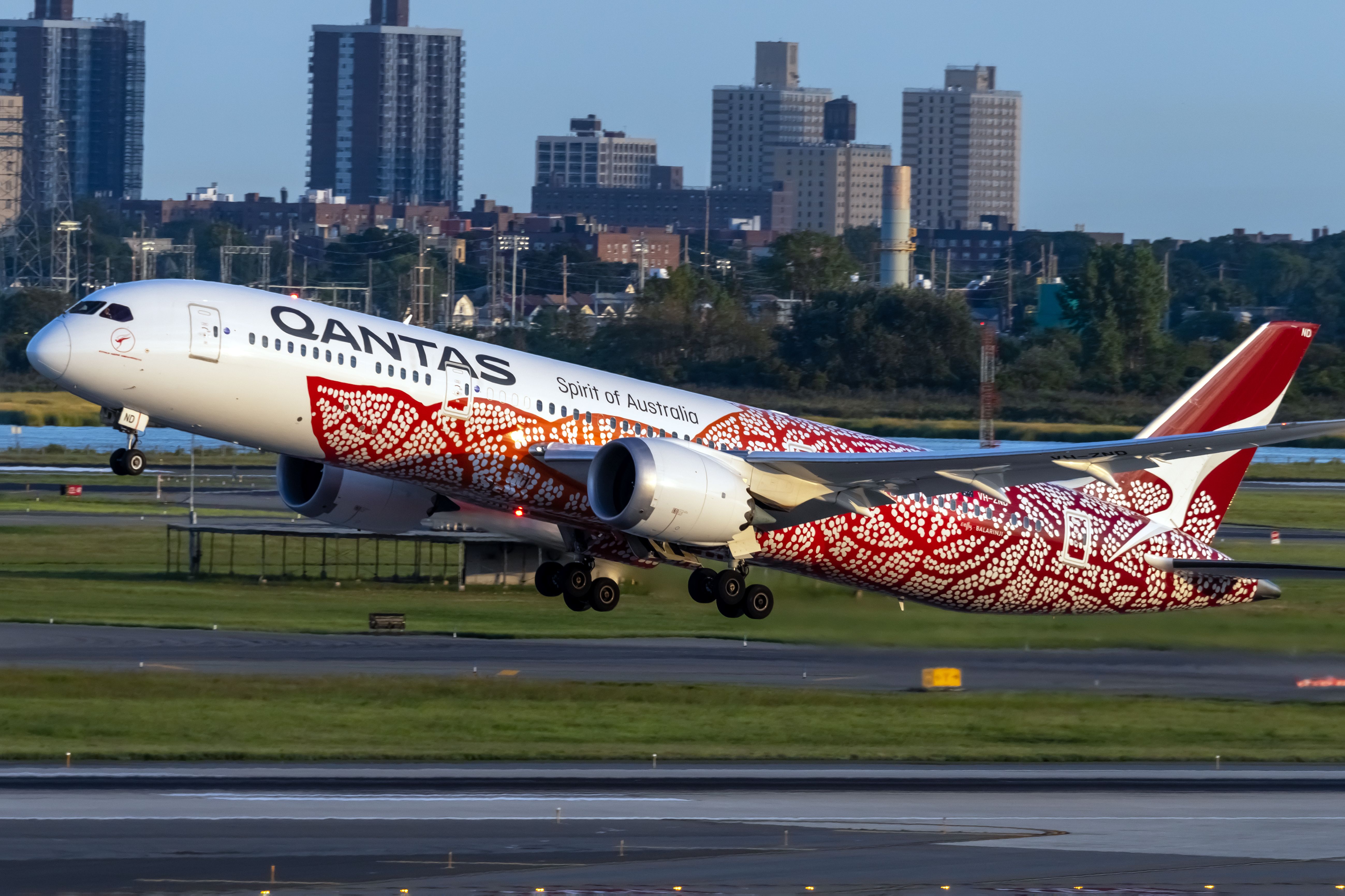
Photo: Vincenzo Pace | Simple Flying
Meanwhile, Cam Wallace, the chief executive officer (CEO) of Qantas International and Freight, stated that the airline was looking forward to working with the association and its members. The industry will have to meet the evolving needs of its passengers in a dynamic market while confronting external challenges, such as climate change or supply chain disruptions.
“There are many areas airlines can share best practices and experiences to benefit the travelling public.”
AAPA highlighted that the association, based in Malaysia, has international representation in Brussels, Belgium, and Washington, DC, the United States, to represent the region’s carriers in the respective legislative chambers.
Related
AAPA’s Menon Says Asia-Pacific Airlines Doing A Remarkable Job
Asia-Pacific airlines have accelerated their recovery in 2024 and are rapidly leaving the pandemic in their wake turbulence.
17th airline member
With Qantas rejoining AAPA, the Australian carrier has become the 17th member of the association. Before Qantas, Indonesia-based low-cost carrier Lion Air
joined the association in November 2024.
At the time, Menon said that the association was delighted to welcome Lion Air, an airline with a strong presence in the budget air travel market. The Indonesian carrier’s membership marked a significant milestone that reflected the diversity of AAPA’s roster, reinforcing its role as the representative of all airlines in the region.
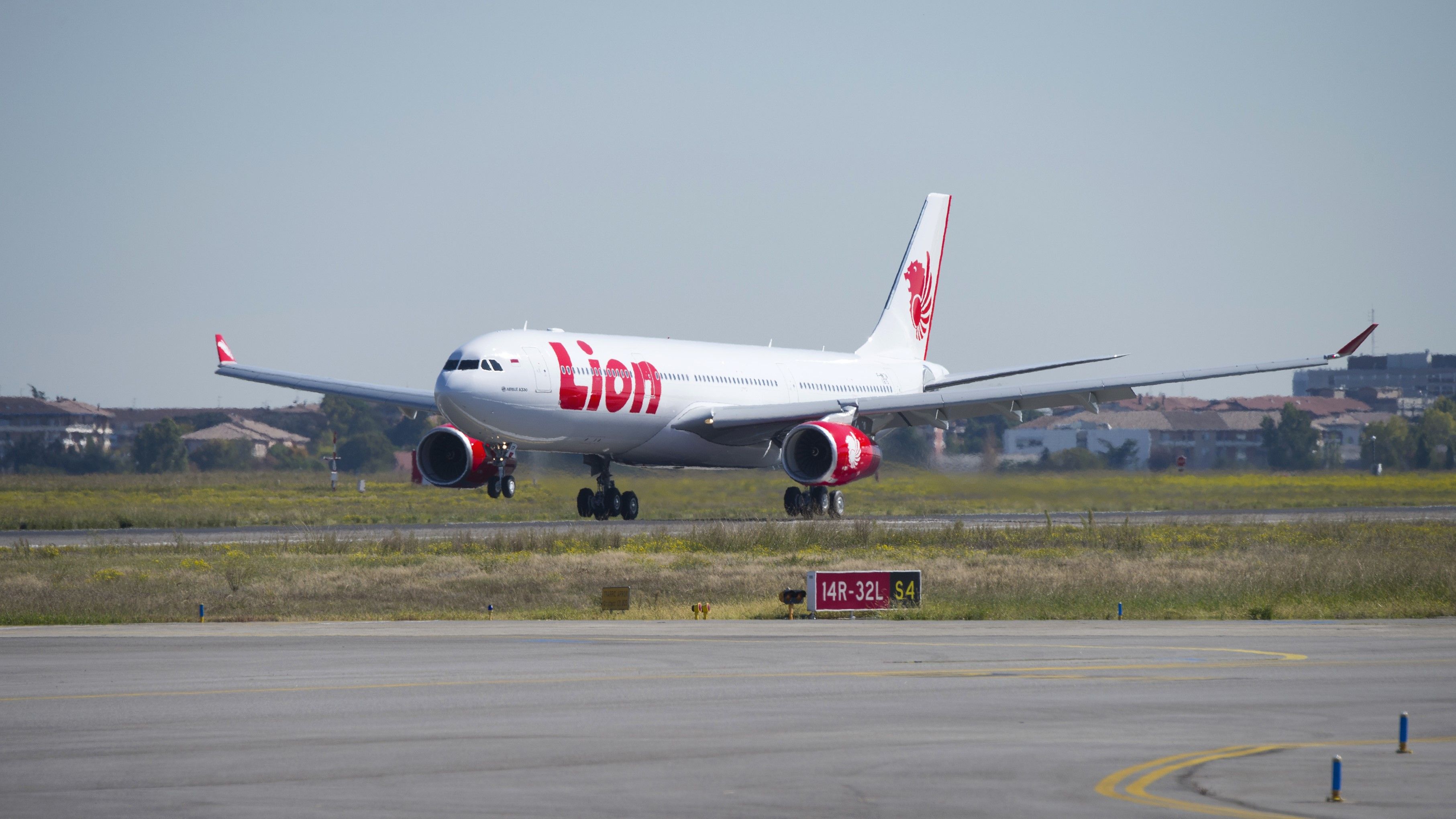
Photo: Pascal Pigeyre | Airbus
“Sharing best practices and experiences as we do, will make the industry more resilient as well as ensure its safe, and sustainable growth.”
Rudy Lumingkewas, the president of Lion Air, said that the low-cost carrier was excited to join AAPA. Lumingkewas added that the airline is committed to expanding accessibility to various regions in Indonesia and playing a key role in supporting the country’s socioeconomic development.
“Lion Air is looking forward to working with other AAPA members and playing its part in the continued success of the Asia Pacific air transport sector.”
Qantas and Air New Zealand
left the association in 2009, with both carriers beginning 2010 without sending representatives to the AAPA’s assembly, according to a 2010 report by AviationWeek.
Current AAPA members include but are not exclusive to Air India
, All Nippon Airways (ANA), Cathay Pacific
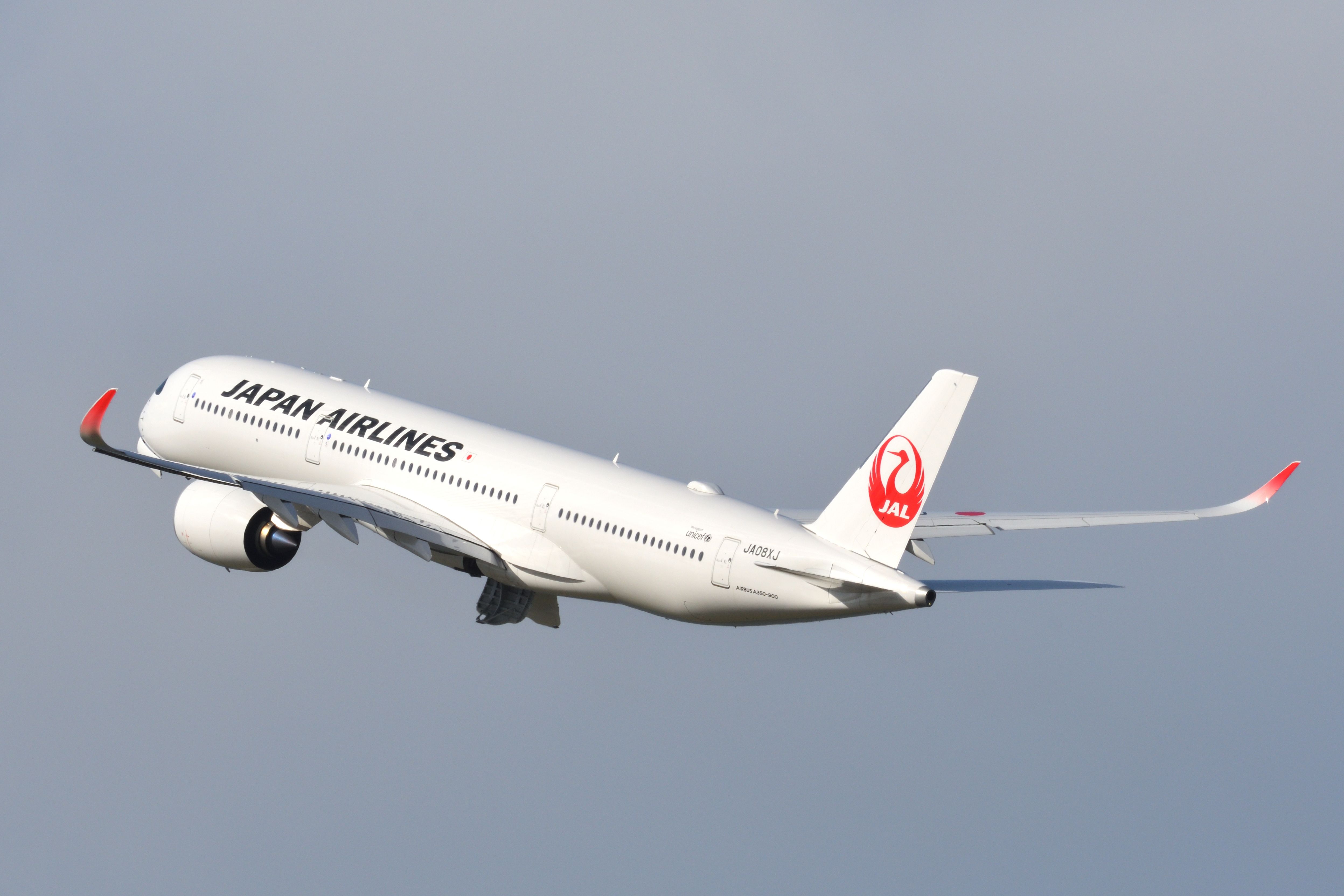
, China Airlines, Japan Airlines, Malaysia Airlines, Philippine Airlines,  Singapore Airlines
, THAI, Vietnam Airlines, and others.
Related
Airline Leaders Meet In Brunei And Demand Action On Supply Chain Disruptions
Leaders of airlines in Asia-Pacific gathered this week in Brunei, and it was clear they need supply chains to be regenerated to succeed.
Demand recovery
On January 6, the association published its November 2024 passenger numbers, announcing that the region’s airlines carried 31 million passengers during the month, a 19.8% increase year-on-year (YoY).
Year-to-date, the region’s carriers, which included non-member airlines such as IndiGo, China-based carriers, Qantas, Korean Air
and Asiana Airlines, and others, welcomed 333.6 million international travelers, an increase of 31.4% YoY.
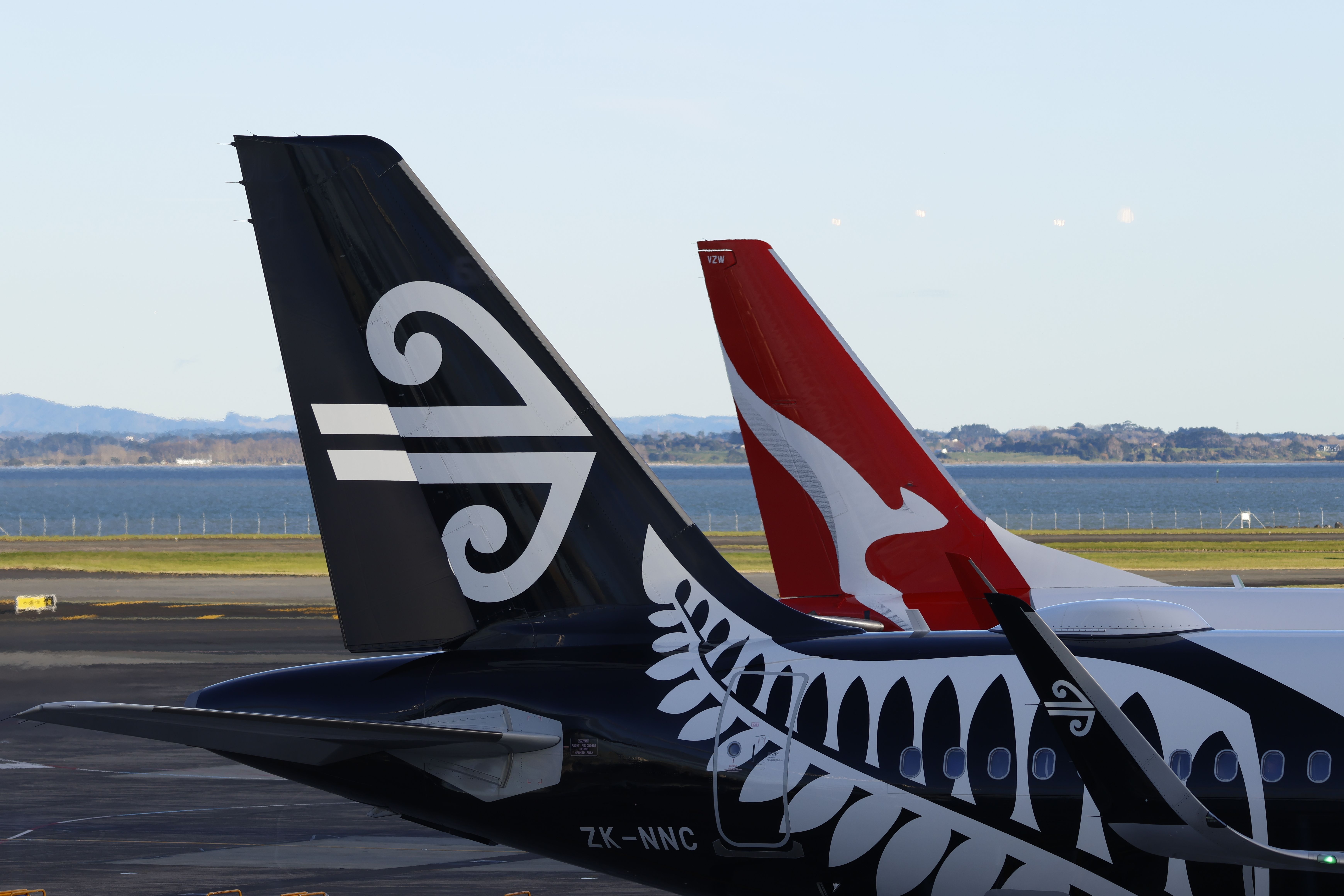
Photo: NakiPhoto | Shutterstock
At the time, Menon said that Asia-Pacific-based airlines had led the growth in international travel markets in 2024, with the region’s carriers benefitting from strong demand for business and leisure travel.
According to AAPA’s DG, demand had now recovered to pre-pandemic levels by November 2024, noting that 2024 should end on a positive note for passenger and cargo markets.
Related
Airbus Tells AAPA Leaders The Region Needs 19,500 New Aircraft By 2043
Airbus presented its latest forecast that shows Asia-Pacific needs 19,500 new aircraft by 2043.
