


Ryanair
, an Irish Ultra-Low-Cost Carrier
(ULCC), has announced major cuts to its Spanish network for the summer of 2025, sparking a heated conflict with Spain’s state-owned airport operator AENA over rising airport fees. The airline is reducing its capacity by 800,000 seats and discontinuing 12 routes, citing “excessive charges” and insufficient incentives at AENA in a statement, which it argues are failing to support the government’s policy of fostering regional airport growth.
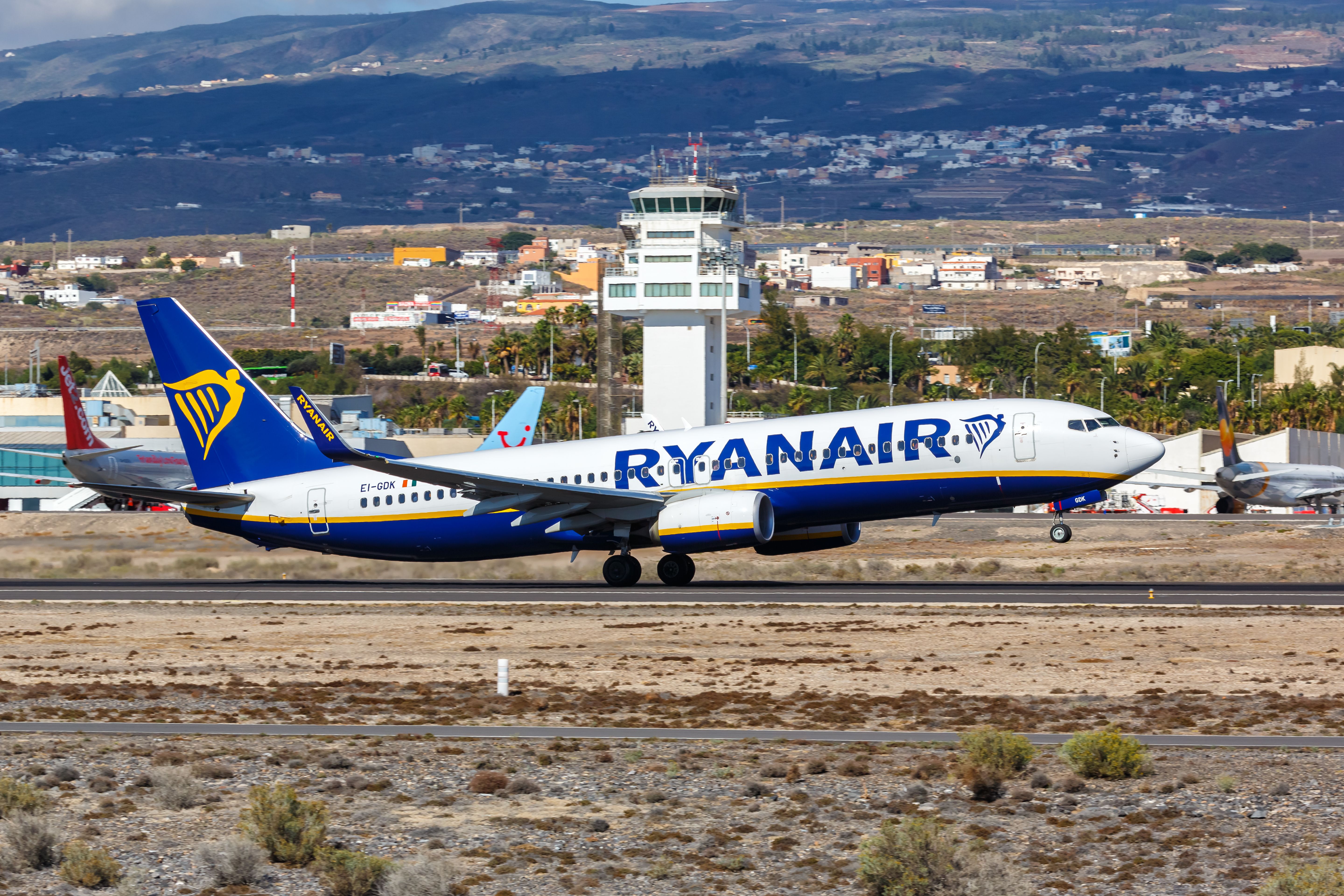
Photo: Markus Mainka | Shutterstock
Ryanair’s frustration
The planned reductions will primarily affect several regional airports, including Vigo, Santiago, Zaragoza, Asturias, and Santander. Ryanair will also cease operations at Jerez and Valladolid and remove one of its aircraft from its base in Santiago, a $100 million investment. The airline’s decision is expected to have a major impact on regional connectivity, employment, and tourism. The statement warns that aviation traffic will tend to shift away from Spanish areas if AENA’s regional airports are unable to compete with their European counterparts.
Ryanair CEO Eddie Wilson has been vocal in his criticism of AENA’s pricing policies. Despite a government-mandated freeze on airport charges until 2026, Wilson argues that AENA has continually attempted to increase fees each year, particularly at smaller, regional airports where traffic is still recovering from the pandemic.
“AENA’s excessive airport charges and lack of viable incentives for growth continue to harm Spain’s regional airports, limiting their growth and leaving huge areas of airport capacity unused.” Wilson said in the statement: “Ryanair has long advocated and invested in regional airports supporting access to tourism and employment with low fares, but AENA refuses to use its regional airport structure to support Spanish regional investment, instead prioritizing investments in airports outside Spain.”
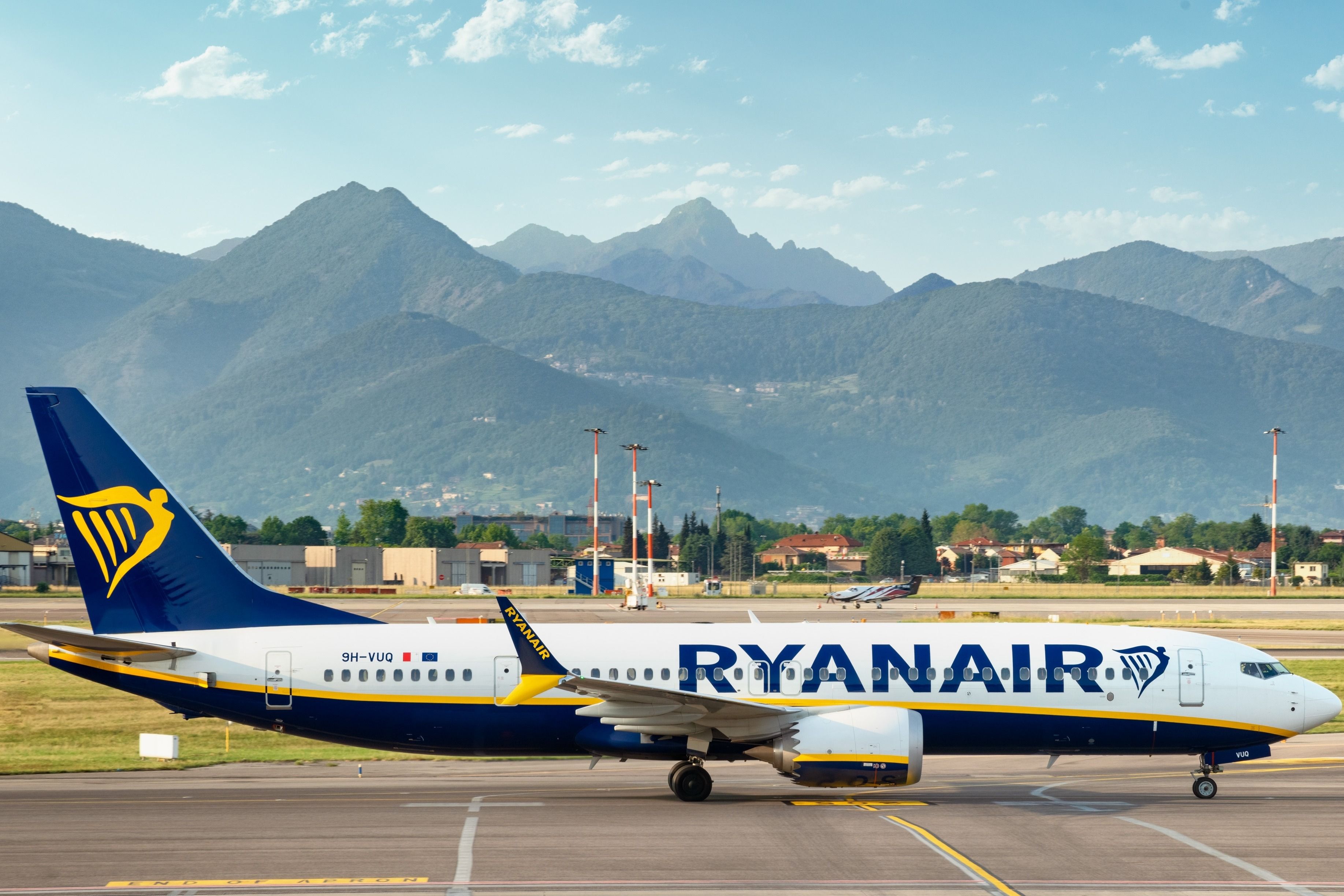
Photo: Yaya Photos | Shutterstock
In order to help Spain recover from the COVID-19 pandemic, the airline had earlier pledged to expand its capacity in Spain, especially in outlying regions. Wilson’s comments, however, imply that Ryanair is finding it challenging to carry out its development ambitions in Spain’s rural airports due to the growing operating expenses.
AENA’s response
AENA quickly responded to Ryanair’s accusations, defending its pricing structure and commercial incentives, and denied Ryanair’s claims about its airport fees and regional operations in Spain. The Spanish airport operator emphasized in a press release that Ryanair focuses on buying planes for its fleet rather than making direct investments in European airports. Therefore, the aircraft manufacturers, like  Boeing
, are the main benefactors of Ryanair’s purported multi-billion-dollar investments, not the local economies that Ryanair purports to promote.
4:14
Related
Video: Are Ryanair’s ‘Harder Than Average’ Landings Fact Or Fiction?
This video tries to pick apart Ryanair’s reputation for hard landings. Is there any truth behind this?
AENA underlined that the airport operator, not Ryanair or its owners, makes and finances all investments in Spanish airports. Both the operator’s airport fees and the business incentives offered to airlines are openly available and completely transparent. Aena told The Independent that its average fee of €10.35 per passenger was “among the lowest in Europe.”
Calling Ryanair to “calm down” and stop its “aggressive and misleading” methods, AENA stated that Ryanair’s requests for reduced costs would jeopardize the long-term viability of Spain’s airport infrastructure, and the airline was accused of employing deceptive rhetoric to exert pressure on public institutions.
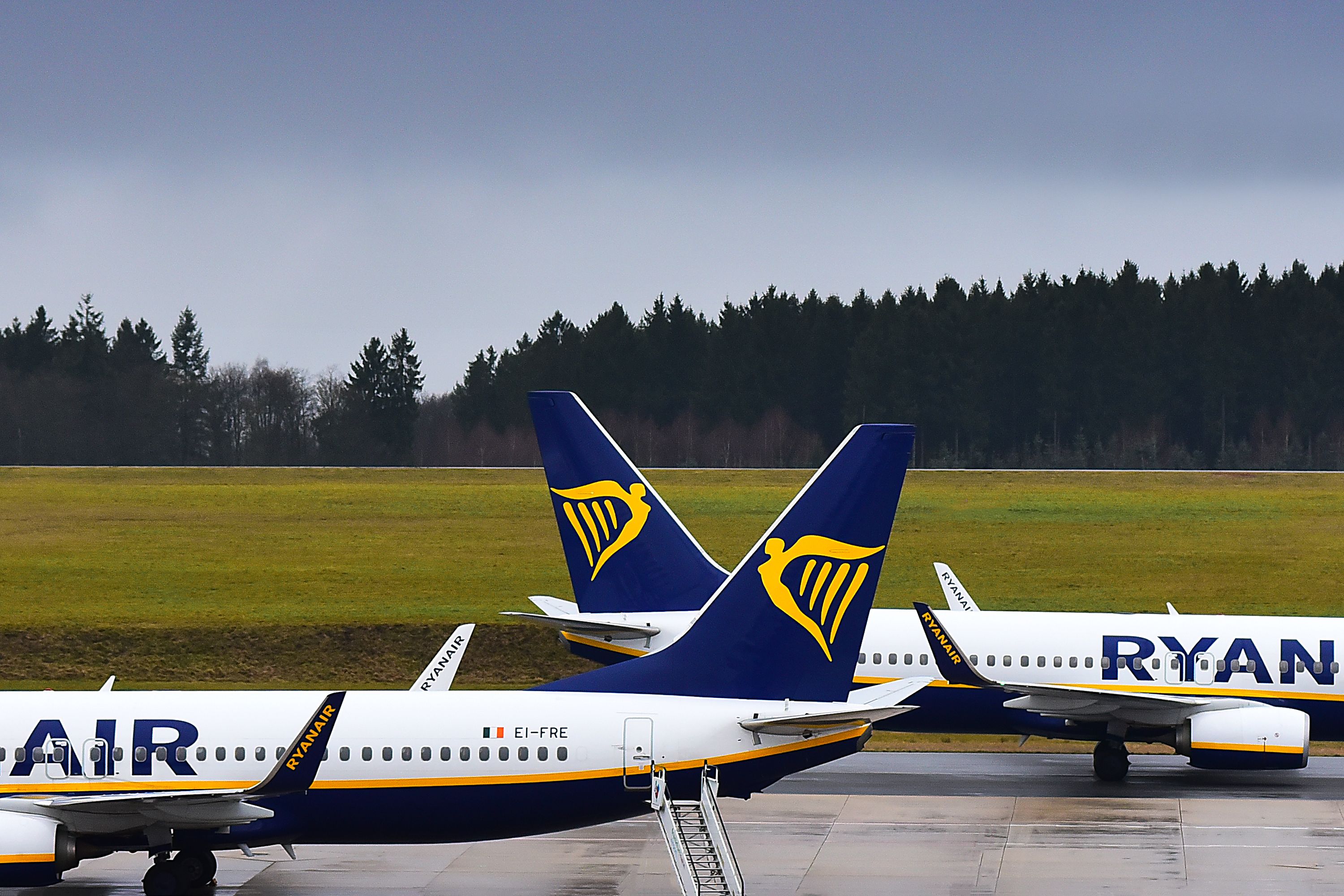
Photo: Vytautas Kielaitis | Shutterstock
“AENA kindly urges Ryanair to calm down and abandon its longstanding, unfortunately famous, mendacious, aggressive, and threatening business and communication strategy, which is difficult not to interpret as blackmail against AENA, the affected regions, and ultimately the Spanish citizens.” AENA said.
Ryanair rejects AENA’s defense
Of course, the dispute goes on.
Ryanair has strongly rejected AENA’s recent statements on the same day, claiming the airport operator’s press release fails to address the real issues affecting Spain’s regional airports. The airline reiterated in a statement that while it will increase capacity by 5% at major Spanish airports in 2025, it will reduce traffic by 18% at regional airports, a direct result of AENA’s inability to support these areas with effective incentives. Ryanair pointed out that AENA’s incentive programs have failed to meet their objectives and highlighted Castellón Airport’s success, which is not managed by AENA, as evidence of better regional airport management.
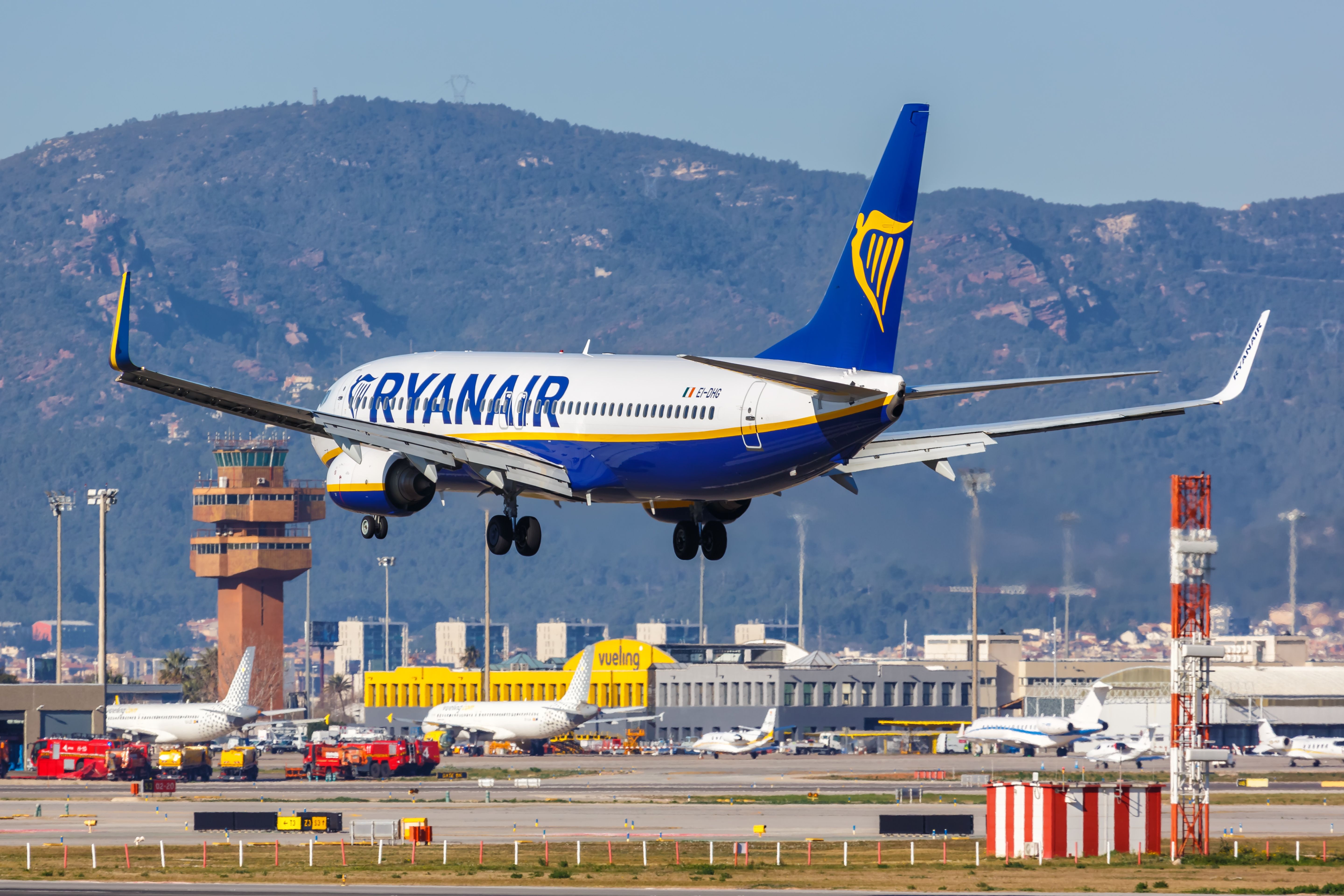
Photo: Markus Mainka | Shutterstock
“AENA’s claim that its rates are “among the lowest in Europe” is false,” Ryanair said. The airline contended that AENA’s costs are far more than those at other European airports, especially in areas where Ryanair is still growing, including Italy and Poland. Ryanair stressed that it has decided to reduce its operations in Spain in part because of AENA’s attempts to raise rates in spite of a government order to freeze them. In order to increase traffic, tourism, and jobs in underdeveloped areas, the airline urged the Spanish government to end AENA’s monopoly and support regional sovereignty over airports.
