


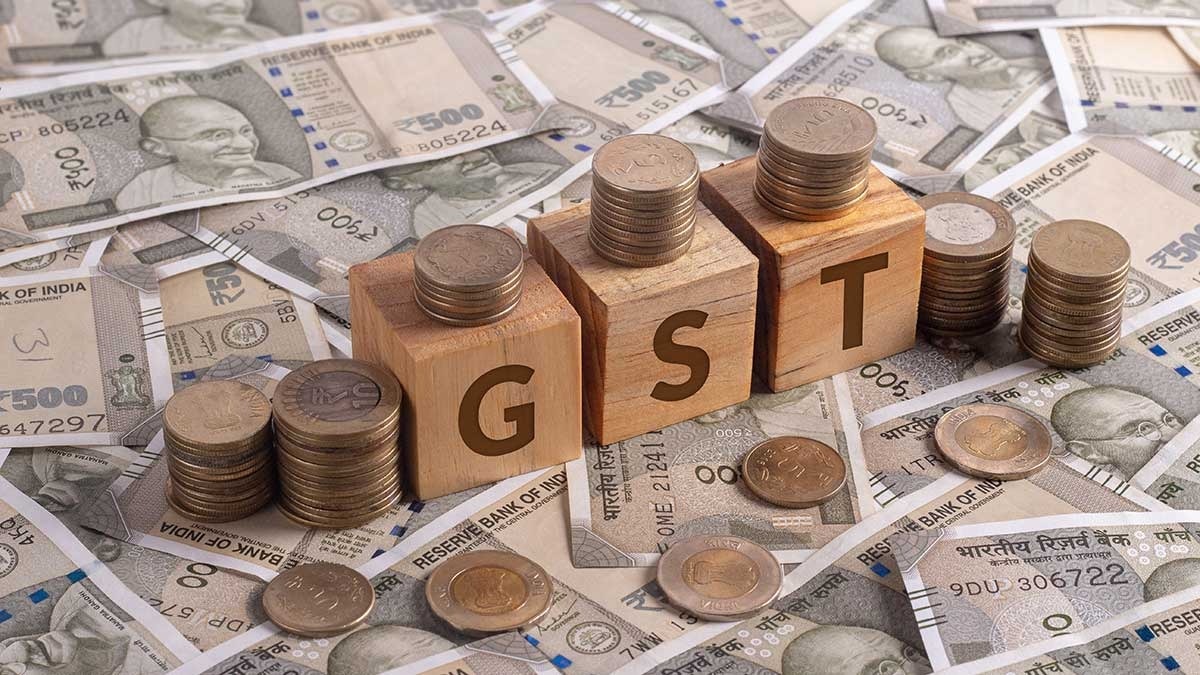
While headlines focus on GST rate cuts, two silent but sweeping changes are set to hit taxpayers this November—faster refunds for inverted duty structures and a radically simpler registration process.
Sujit Bangar, founder of TaxBuddy.com, flagged the twin shifts in a LinkedIn post, calling them “game-changing” for working capital management and compliance ease.
From November 1, 2025, taxpayers with an inverted duty structure—where input GST is higher than output GST—will be eligible for 90% provisional refunds on unutilised input tax credit (ITC). These refunds will be processed based on risk profile, with the remaining 10% cleared after verification. Officers can withhold refunds only in exceptional cases, and must document reasons.
This is a marked departure from the current system, which relies heavily on manual scrutiny and offers no guaranteed timelines. Bangar illustrated the shift using a solar lamp manufacturer as an example: input GST totals ₹3,840 while output GST is only ₹2,000, leaving ₹1,840 in unclaimed ITC. Under the new system, ₹1,656 (90%) would be refunded almost immediately, improving cash cycles.
A second reform will make GST registration easier for low-risk businesses. Firms with monthly B2B output tax under ₹2.5 lakh will qualify for automated registration approval within 3 working days. Manual checks and site visits will be eliminated for these applicants, which the government estimates make up 96% of new registrations.
The new process also allows opt-in/opt-out flexibility, aiming to accelerate onboarding for startups and MSMEs.
“These changes may not make headlines, but they’ll make balance sheets breathe easier,” Bangar wrote.
