


In the ever-competitive world of commercial aviation, airline executives must make critical decisions about fleet composition, often balancing cost, reliability, and long-term strategic goals. Recently, easyJet CEO Johan Lundgren expressed thanks to CFM International engines, making headlines for his apparent preference for Airbus over  Boeing in an interview with Bloomberg TV. It raises questions about the dynamics between airlines and aircraft manufacturers.
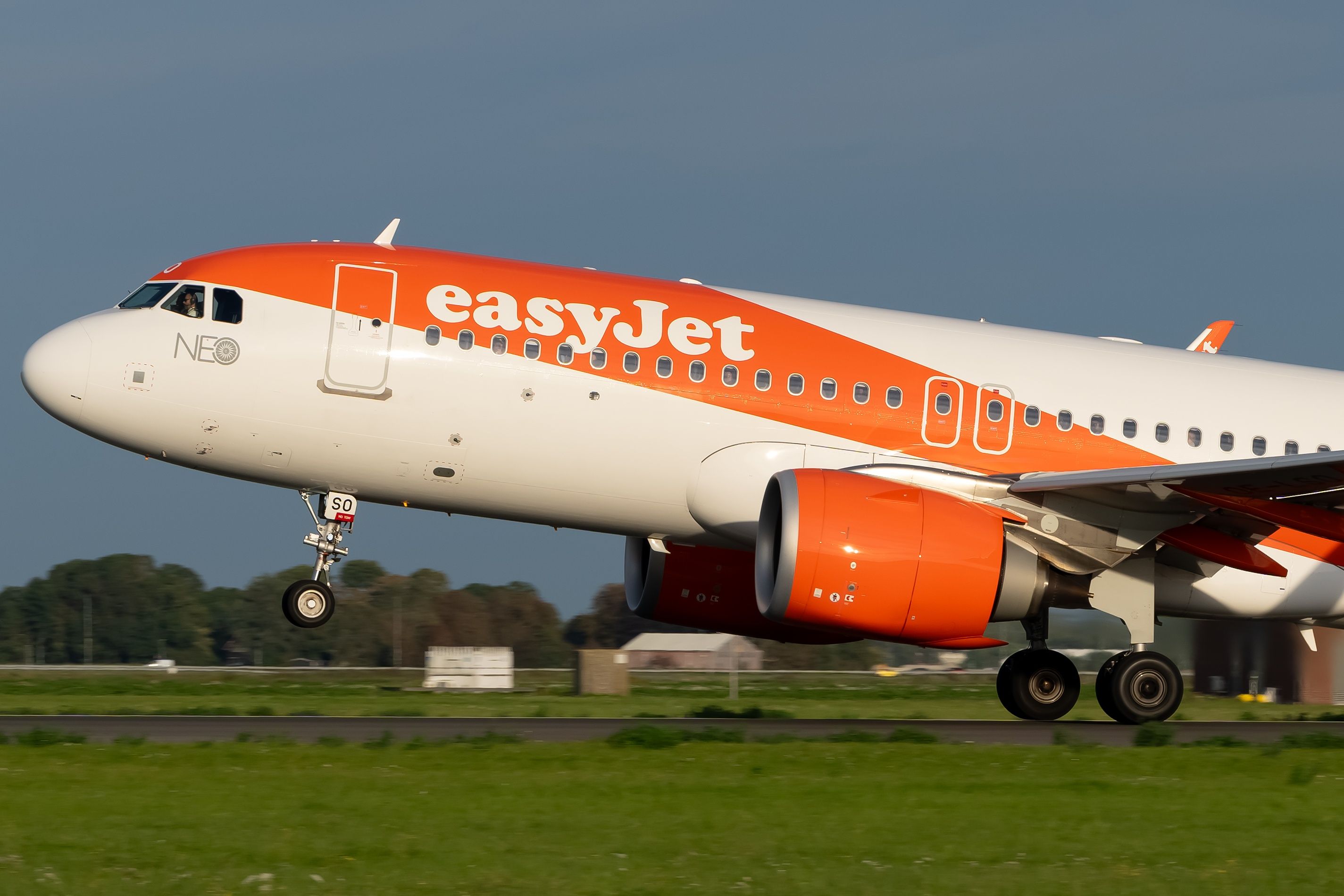
Photo: Vincenzo Pace | Simple Flying
“I think that in all fairness, all the manufacturers, whether that is Airbus or Boeing, are struggling with their supply chains as well,” Lundgren said. “To the extent that the engine choices that we’ve made and also then going with Airbus, have a better alternative than some of our competitors are having.”
While the specific remark about life being “better without Boeing” wasn’t explicitly quoted, Lundgren’s broader fleet strategy and comments about easyJet’s supplier relationships underline a clear loyalty to Airbus. Why does easyJet’s CEO seem so committed to the European manufacturer? And what does it mean for Boeing’s position in the aviation market?
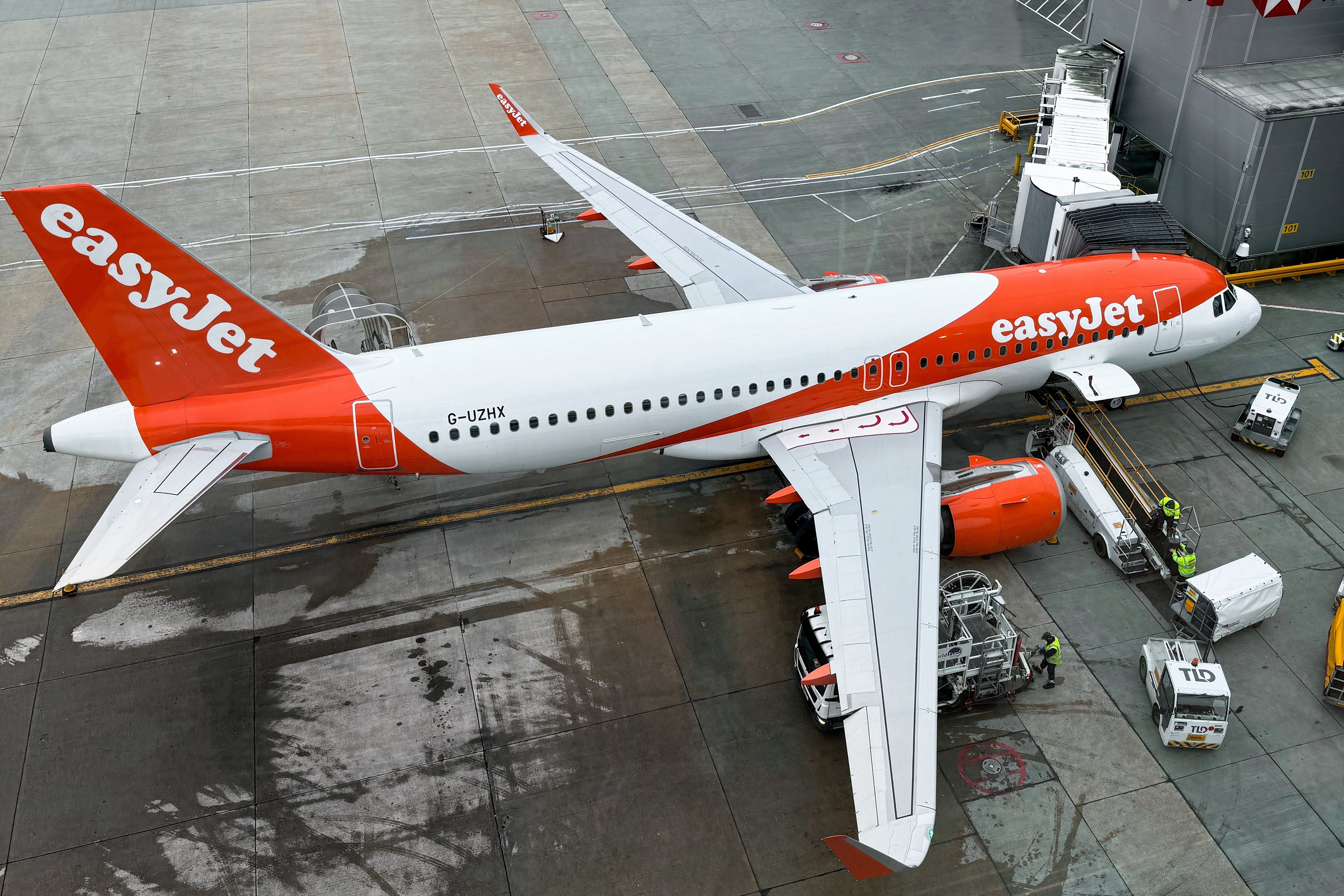
Photo: SimoneAmi | Shutterstock
All-Airbus fleet
easyJet’s fleet in the past included Boeing 737s and 757s. However, the carrier has switched to a 100% Airbus fleet today. According to Planespotters.net, the airline’s current fleet includes:
- Airbus A319: 47
- Airbus A320: 126
- Airbus A321: 11
In December 2023, easyJet made a sizable order for 157 more Airbus A320neo family aircraft, further solidifying their tight connection. easyJet has reduced pilot training, maintenance, and spare parts logistics by standardizing its fleet, a major factor in its operational efficiency.
Related
When & Why Did easyJet Switch From Boeing To Airbus Aircraft?
In a stunning change of course, easyJet selected Airbus A319s to replace its Boeing 737s in 2002.
CFM remains easyJet’s sole engine supplier
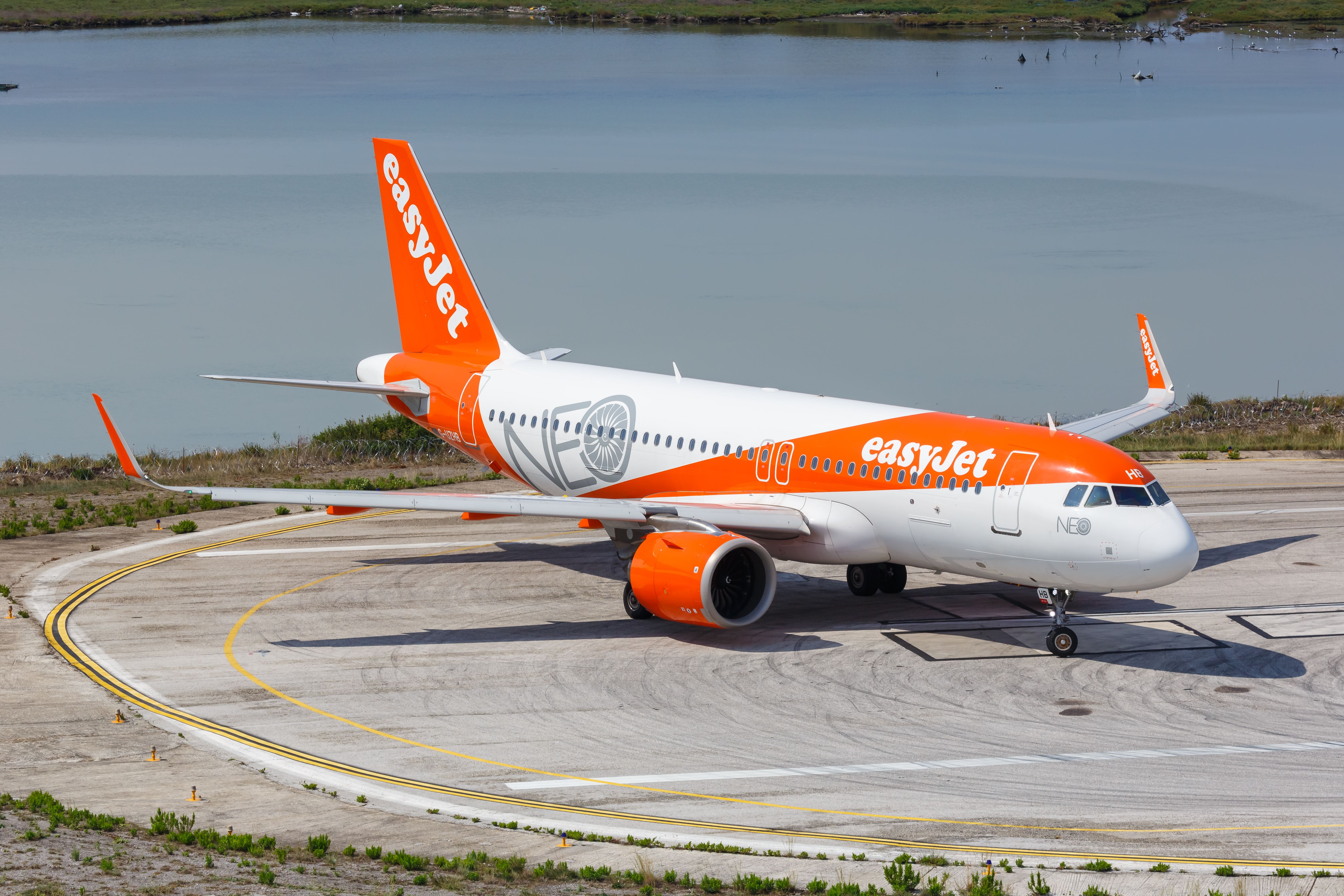
In keeping with their long-standing partnership, the European low-cost airline has also selected CFM International to provide the engines for its forthcoming fleet of A320neo and A321neo aircraft. Under the arrangement, CFM will continue to be easyJet’s only engine supplier, providing its LEAP-1A engines for the 157 aircraft that Airbus has purchased, according to Airport Technology.
Lundgren commented,
“This agreement for more than 300 engines will provide important environmental benefits through a significant improvement in fuel efficiency and a reduction in noise as well as enable easyJet to continue to affirm its leading position at Europe’s primary airports.”
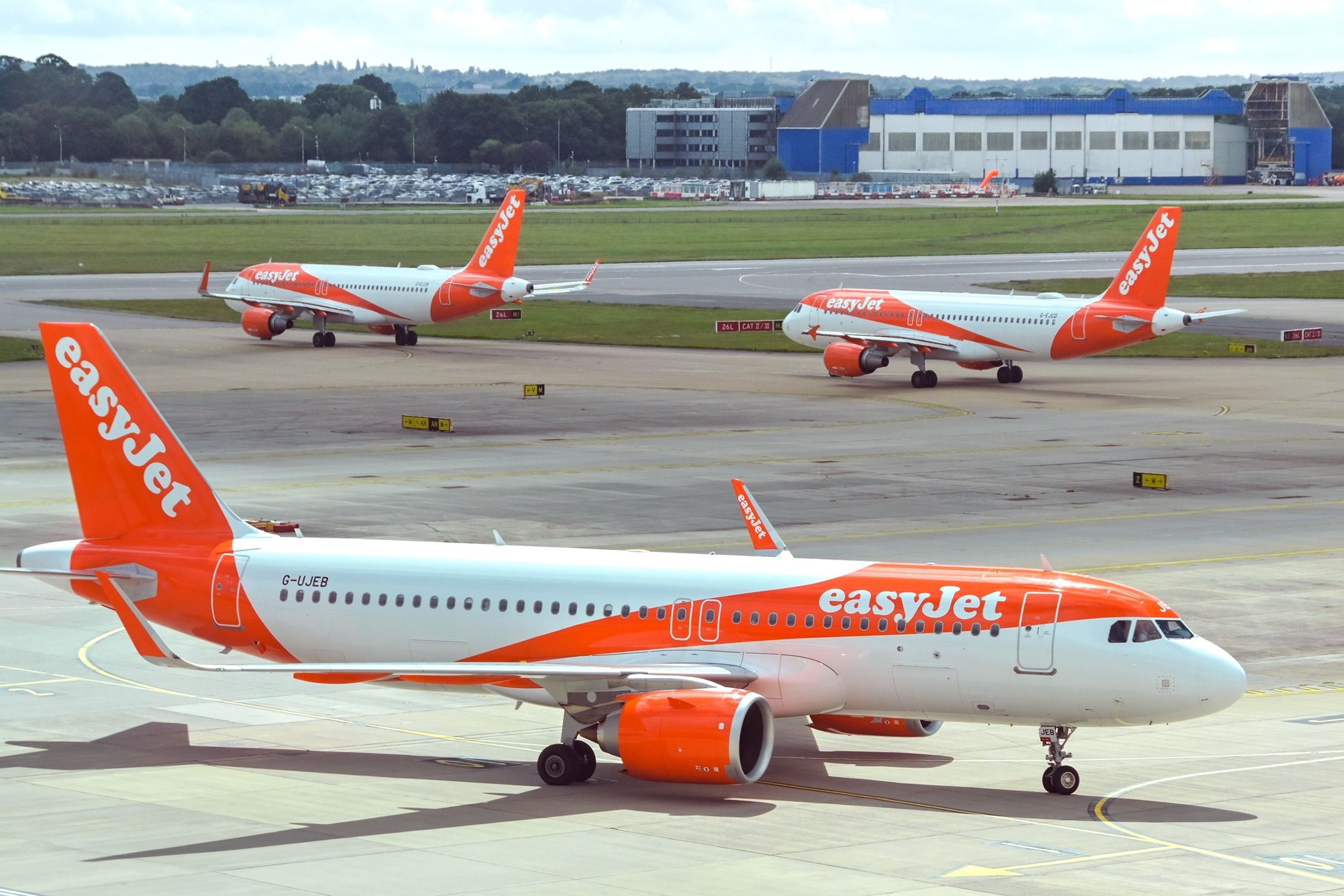
Photo: Ceri Breeze | Shutterstock
This partnership extends a nearly 30-year relationship between CFM and easyJet and aligns with the airline’s commitment to sustainability and achieving net-zero emissions by 2050. The LEAP-1A engines, delivering 15–20% better fuel consumption than previous generations, will power 56 A320neo and 101 A321neo aircraft, with deliveries scheduled between full-year 2029 and FY2034.
Airbus and CFM’s consistency and innovation appear to be significant factors in Lundgren’s public preference. While easyJet’s exclusive reliance on CFM International engines has shielded it from disruptions, other airlines using Pratt & Whitney‘s geared turbofan (GTF) engines for their A320neo fleets have faced significant operational challenges. Widespread manufacturing defects in Pratt & Whitney’s engines have led to mandatory inspections and replacements, resulting in grounded planes and disrupted schedules. This further emphasizes the reliability advantage of easyJet’s engine strategy.
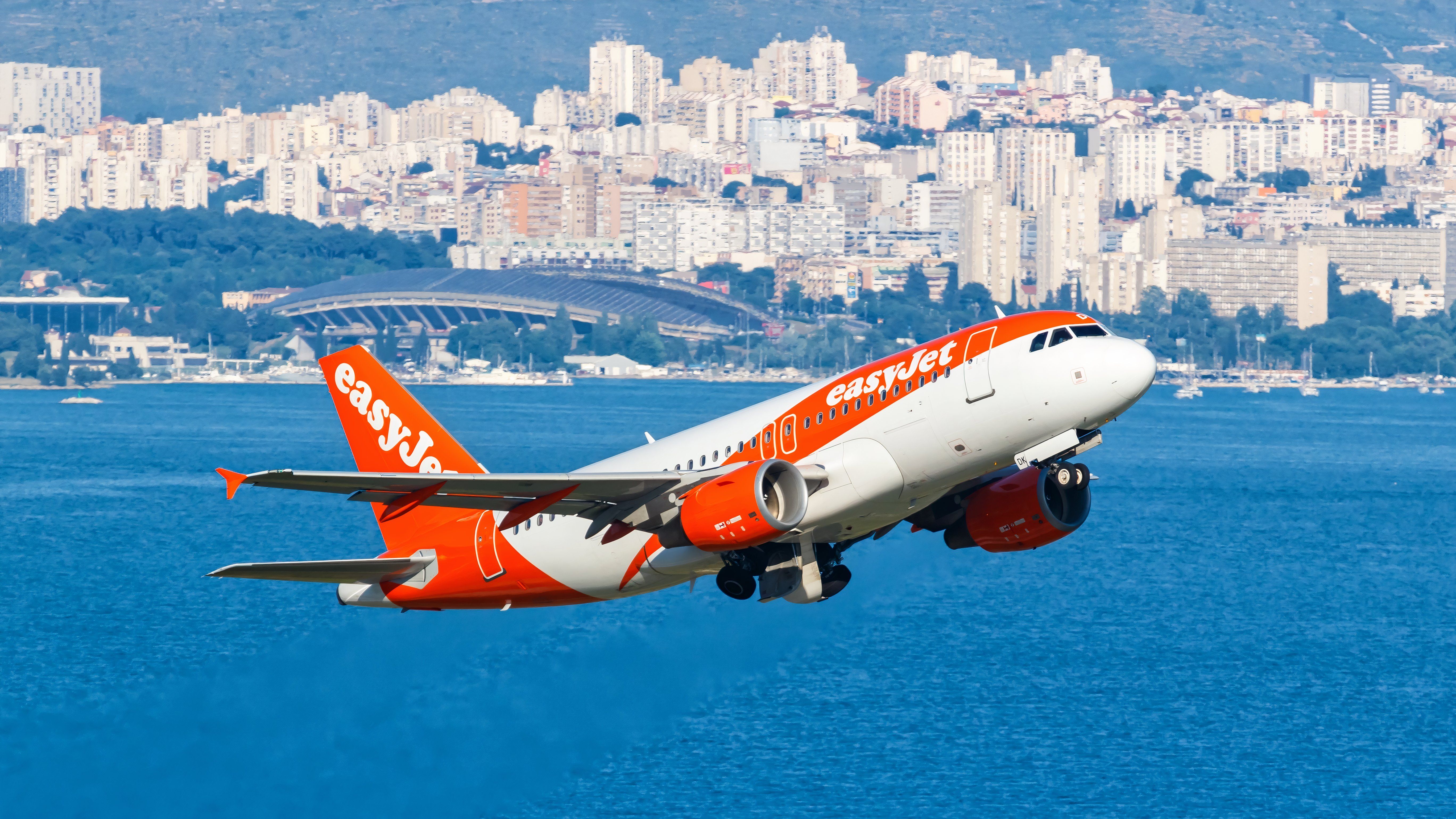
Photo: Markus Mainka | Shutterstock
The Boeing question
Boeing, once the dominant player in commercial aviation, has faced a string of setbacks in recent years. The prolonged grounding of the 737 MAX series after two fatal crashes in 2018 and 2019 caused reputational damage. Furthermore, delays in certifying the Boeing 737 MAX 7 and Boeing 737 MAX 10 have frustrated potential customers.
Boeing’s 737 MAX 7 certification has been delayed until mid-2025, largely due to regulatory concerns over the aircraft’s de-icing and low-speed performance systems. This delay follows earlier postponements and has raised doubts among airlines about Boeing’s ability to adhere to promised delivery timelines. The holdup affects not only the MAX 7 but also the MAX 10, further complicating Boeing’s efforts to compete with Airbus’ A320neo family. These delays could impact the manufacturer’s credibility and long-term relationships with airline customers seeking reliability in their fleet planning.
Related
What Is easyJet Plus & How Does It Work?
easyJet Plus is a member-based program offering benefits.
For carriers, such uncertainties represent a business risk. The low-cost carrier thrives on predictable schedules and minimal disruption—attributes that align more with Airbus’ delivery track record and less with Boeing’s recent history. EasyJet reported a record-breaking summer, with pre-tax earnings reaching £610 million ($768.35 million), up a third from the previous year, according to Business Insider. Meanwhile, Ryanair and Wizz Air, its two main competitors, saw profits decline. Ryanair criticized Boeing in its earnings report, saying delays to new planes meant it had to rely on savings from fuel hedging.
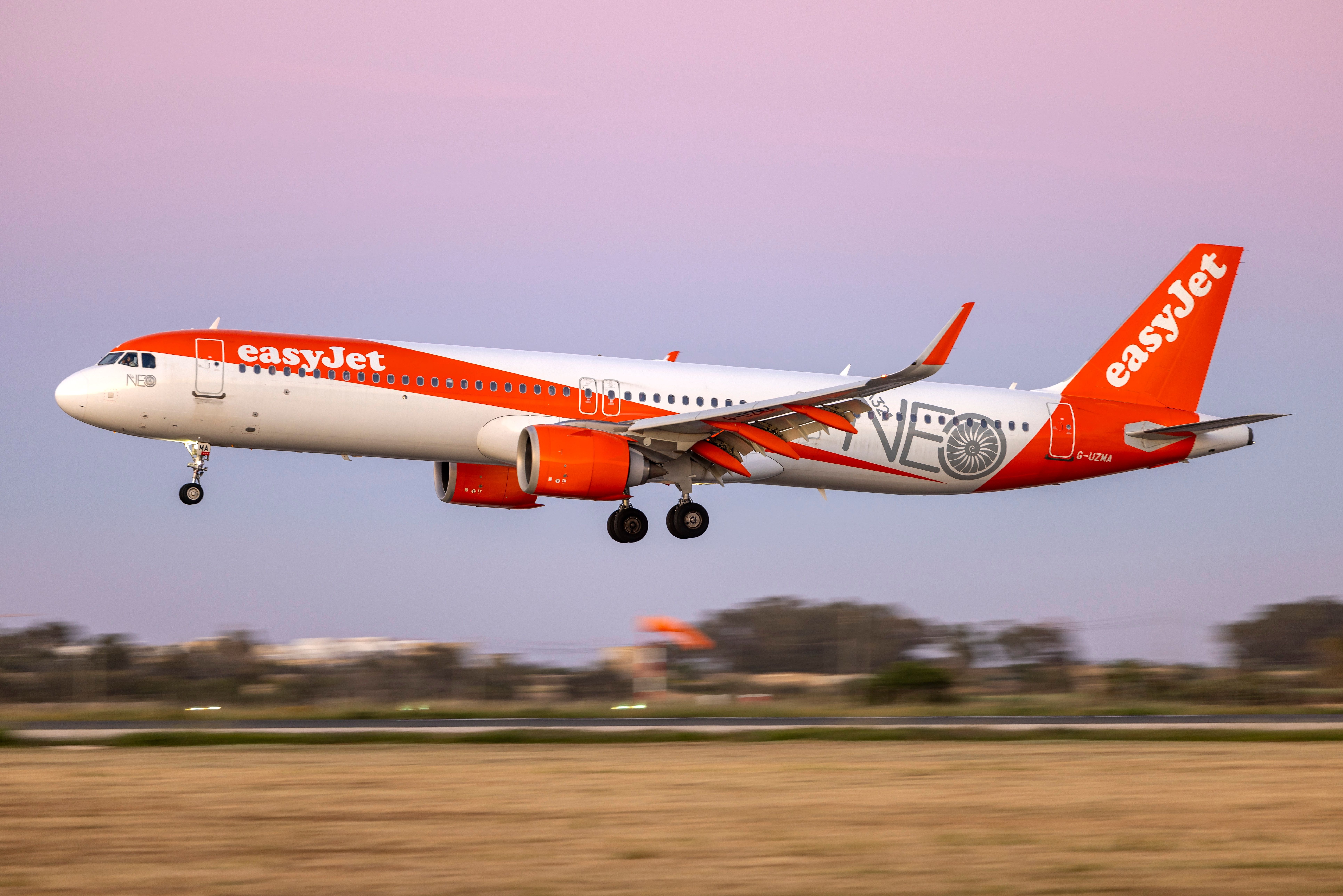
Photo: InsectWorld | Shutterstock
A competitive edge for Airbus
Several factors make Airbus an appealing choice for easyJet:
- Fleet Commonality: easyJet’s exclusive use of Airbus aircraft simplifies operations. Pilots can be trained on a single aircraft type, reducing training costs and allowing for more flexible crew scheduling.
- Reliability of Supply Chain: While Pratt & Whitney’s engine troubles have rocked other carriers, easyJet has been relatively unaffected due to its reliance on CFM engines for its Airbus fleet.
- Environmental Goals: Airbus has aggressively marketed the fuel efficiency and reduced emissions of its A320neo family, aligning with easyJet’s commitment to sustainability.
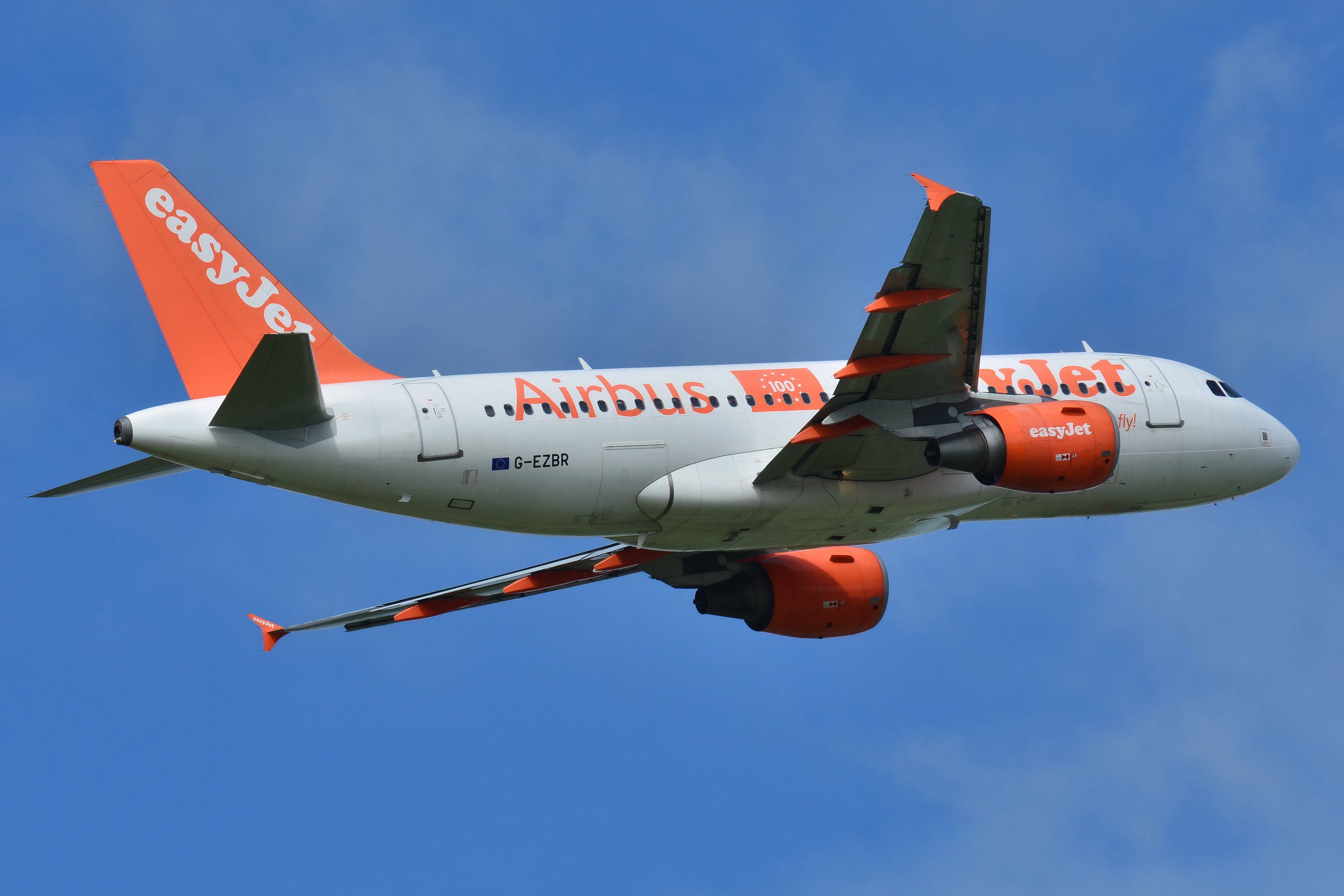
Supply chain issues impact both manufacturers
Despite Airbus’ current advantage, the aviation industry has challenges. Supply chain disruptions and labor shortages have affected both manufacturers, potentially delaying aircraft deliveries. Simple Flying recently reported that Airbus had delivered 559 aircraft this year, even though it delivered 62 in October. According to Bloomberg, Airbus must deliver about 130 planes in December to meet its 2024 goal of 770 units, which dropped from 800 in July because of ongoing supply chain problems.
EasyJet CEO Johan Lundgren’s preference for Airbus over Boeing highlights a complex interplay of factors shaping the aviation industry. From fleet commonality and supply chain reliability to certification delays and market dynamics, the decision is far from personal—it is business.
