


Wizz Air
, a low-cost airline based in Hungary, has stopped refueling its planes at Belgrade airport Nikola Tesla
because of recent sanctions placed by the United States on Serbia’s state-owned oil and gas corporation, NIS (Naftna Industrija Srbije), Serbian aviation news outlets Tango Six reported on January 22.
At 15:00 local time on January 21, Wizz Air ceased using NIS gasoline, Tango Six said. The airline had to make major operational changes as a result of the sanctions. In response, Wizz Air thus has to refuel its aircraft stationed in Belgrade while making technical landings in towns like Timisoara, Romania, or Budapest, Hungary. Although Wizz Air has minimized the impact on its flight schedule, the change has resulted in minor operational interruptions for the carrier departing Belgrade.
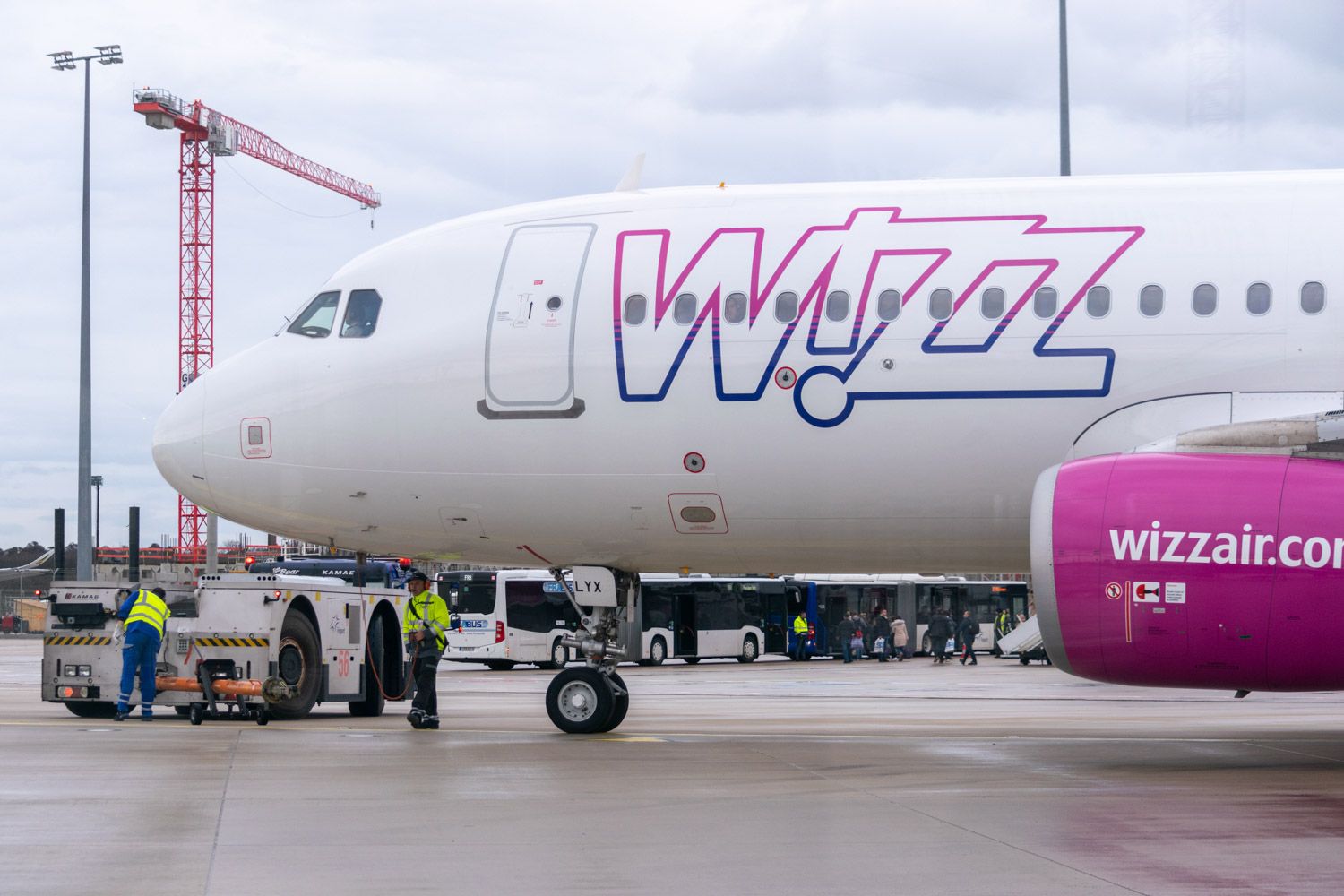
Photo: Tom Boon | Simple Flying
US Sanctions target NIS
On January 10, the US Department of Treasury imposed sanctions on NIS because of its connections to Gazprom Neft, a Russian business that has a majority interest in the company. At Belgrade Airport
, NIS is the only provider of aviation fuel. Despite the operational changes, Wizz Air assured that its overall flight schedule remains unaffected.
A spokesperson for the airline responded to Tango Six and Serbia’s web portal Blic Biznis that “Wizz Air confirms that the mentioned sanctions against fuel suppliers do not affect the airline’s flight schedule. The sanctions fall within the domain of legal matters, and the airline will not comment further on the matter.”
Photo: GarethWilley | Shutterstock
Serbia’s Ministry of Energy and Mining also responded to Blic Biznis, stating that the fuel supply at the airport is uninterrupted, and the private corporation chooses whether to use it. “There is enough fuel at Belgrade Airport. We cannot comment on the internal decisions of the companies, if they have been made.“
On the NIS website, the company stated that “NIS supplies almost all airlines flying to the Belgrade Airport, with Air Serbia, Aeroflot, Alitalia, Austrian Airlines, Etihad Airways, Lufthansa, Turkish Airlines and Qatar Airways being some of our biggest clients.”
Related
Why Is Wizz Air Unlikely To Fly To The US Any Time Soon?
The airline sees opportunities outside of the competitive transatlantic market,
Russian influence at the heart of controversy
Currently, NIS is majority owned by Gazprom Neft, which holds a 50% stake, while the Russian energy giant Gazprom further controls 6.15%. The Serbian government holds a further 29.87%, with small shareholders accounting for the remainder. Gazprom Neft will have 45 days to sell its stake in Serbian oil company NIS, Serbian President Aleksandar Vucic announced in response to further US sanctions against Russia’s oil industry, as Reuters reported earlier this month.
The United States’ sanctions against NIS are a component of larger initiatives to limit Russia’s power in the energy industry, especially in view of the ongoing conflict in Ukraine. According to Aviacionline, US officials in Serbia stressed that the sanctions are not aimed against Serbia but rather at Russian organizations that use oil profits to finance the war in Ukraine.

Photo: Tupungato | Shutterstock
Serbian authorities address concerns
However, Serbian officials have stated that the sanctions will significantly affect the energy landscape of the nation, especially with regard to its aviation sector. Vucic had warned in December 2024 that NIS would face penalties and asked his administration to be ready for any punitive actions that might harm the country’s economy.
Meanwhile, Russia is actively engaging with Serbia to address the issue of NIS, according to Reuters. Russian Foreign Minister Sergei Lavrov confirmed that Moscow is in talks with its “Serbian friends” about the future of an oil company that is at risk of being affected by US sanctions due to its Russian ownership. Citing a provision in the company’s founding agreement that expressly prohibits such a move, Lavrov underlined that nationalizing NIS was not a possibility, reported by Montenegrin daily newspaper Vijesti. In order to manage the repercussions of the sanctions, which are expected to impact NIS activities, he gave assurance that a solution is being created in cooperation with Serbian authorities.
Related
40 Wizz Air Airbus Planes Will Remain Grounded Until 2026 Due To Pratt & Whitney Engine Issues
Wizz Air plans to return to growth in the 2026 fiscal year with 50 new Airbus A321neo deliveries.
Aviation impact
Simple Flying recently reported that two major geopolitical events, including the Russia-Ukraine conflict and the war between Israel and Hamas, had a significant impact on Wizz Air’s operations.
Wizz Air CEO József Váradi shared at the Warwick Economics Summit on Saturday that, at the onset of the Russia-Ukraine war in 2022, about 13% of the airline’s capacity was allocated to routes in Ukraine and Russia. Additionally, following the escalation of the Israel-Hamas conflict after the October 7 attacks, around 10% of Wizz Air’s capacity was allocated to the Middle East, with a substantial portion focused on the airline’s Tel Aviv operations.
