

The Difference In Flight Frequencies Between Narrowbodies & Widebodies At The Big 3 US Airlines


The holiday season is fast approaching, and US airlines are gearing up for a significant surge in passenger traffic. This uptick in demand will span domestic and international travel, with millions of Americans flying to reunite with loved ones or embark on long-awaited vacations. Data from Cirium, an aviation analytics firm, shows how three major US carriers,  American Airlines,
  Delta Air Lines, and
  United Airlines, are strategically deploying their fleets to meet this anticipated demand. Both narrowbody and widebody aircraft will play vital roles in accommodating the increased passenger loads during December 2024.
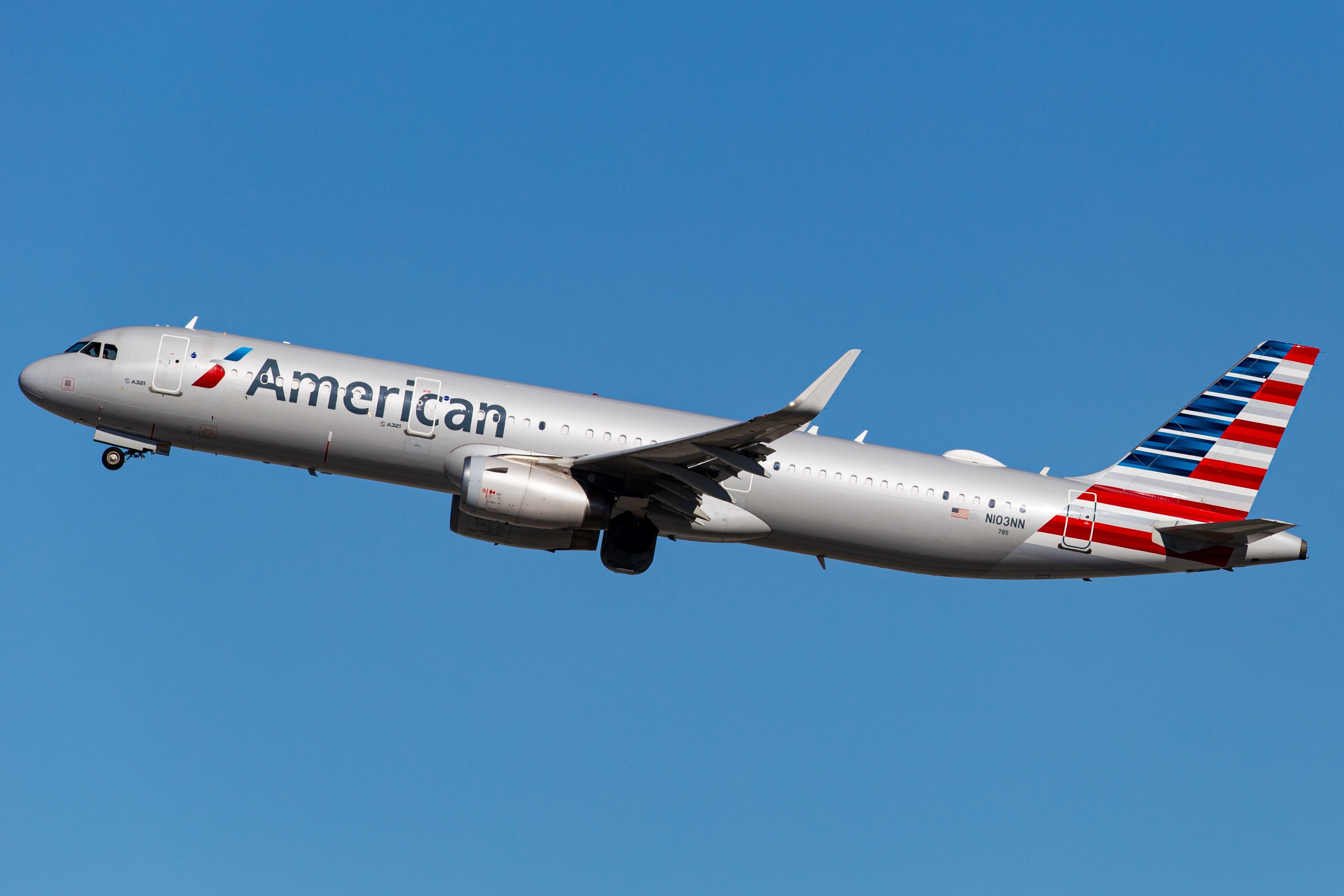
Photo: Wenjie Zheng | Shutterstock
Narrowbody Operations: The Backbone of Domestic Travel
Narrowbody aircraft are the cornerstone of domestic operations in the US. Their efficiency and capacity make them ideal for shorter routes and frequent flights, allowing airlines to maximize connectivity between cities. Cirium data reveals that American leads the pack in narrowbody flights for December, with 91,824 scheduled operations. Delta is close behind with 88,130 flights, while United follows with 73,101. Collectively, these carriers are scheduled to operate 253,055 narrowbody flights.

Related
Ultra-Long-Haul: Which US ‘Big Three’ Airline Has The Most 8,000+ Mile Flights This November?
The longest route operated by one of the US Big Three airlines comes in at 8,587 miles.
In addition to flights, narrowbody operations are analyzed in terms of seat capacity and Available Seat Miles (ASMs), which measure the total seating capacity multiplied by the distance flown. Cirium data reveals the following statistics for December:
- American Airlines (AA):
- Scheduled Flights: 91,824
- Seats: 15,454,334
- ASMs: 15,972,987,202
- Delta Air Lines (DL):
- Scheduled Flights: 88,130
- Seats: 14,535,949
- ASMs: 14,748,547,215
- United Airlines (UA):
- Scheduled Flights: 73,101
- Seats: 11,932,964
- ASMs: 13,870,663,146
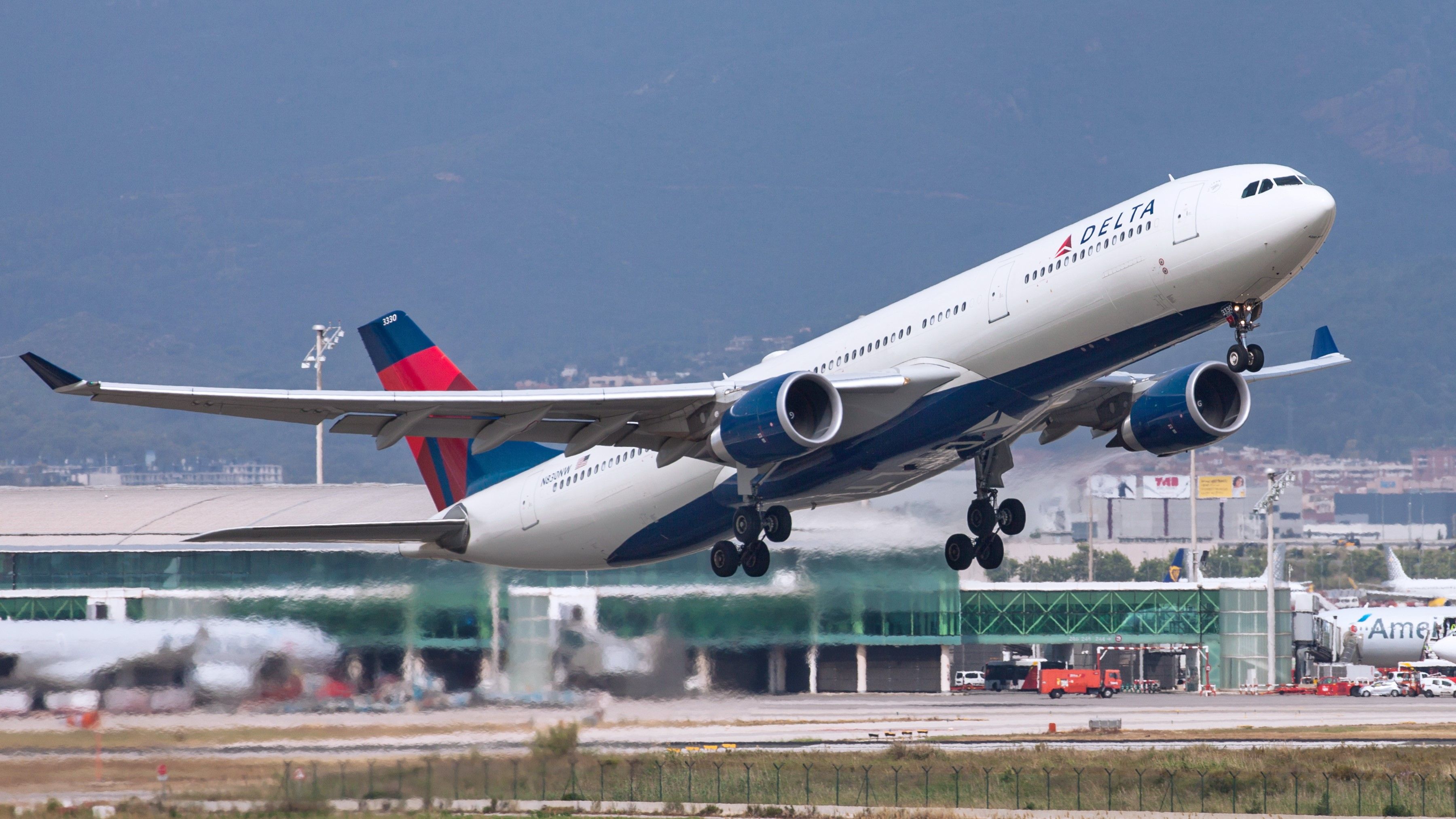
![Delta Air Lines Airbus A330 In Barcelona]() Fleet size and composition
Fleet size and composition
 Fleet size and composition
 American, with its vast fleet, is the clear leader in this category. According to Airfleets.net, American operates a diverse array of Airbus and  Boeing narrowbody jets, including:
- Airbus A319: 133 aircraft, with an average age of six years.
- Airbus A320: 48 aircraft, averaging 10 years old.
- Airbus A321: 298 aircraft, with an average age of just four years.
- Boeing 737-800: 303 aircraft, with a remarkably young average age of one year.
- Boeing 737 MAX 8: 63 aircraft, and it’s adding further modernity and fuel efficiency to its fleet.
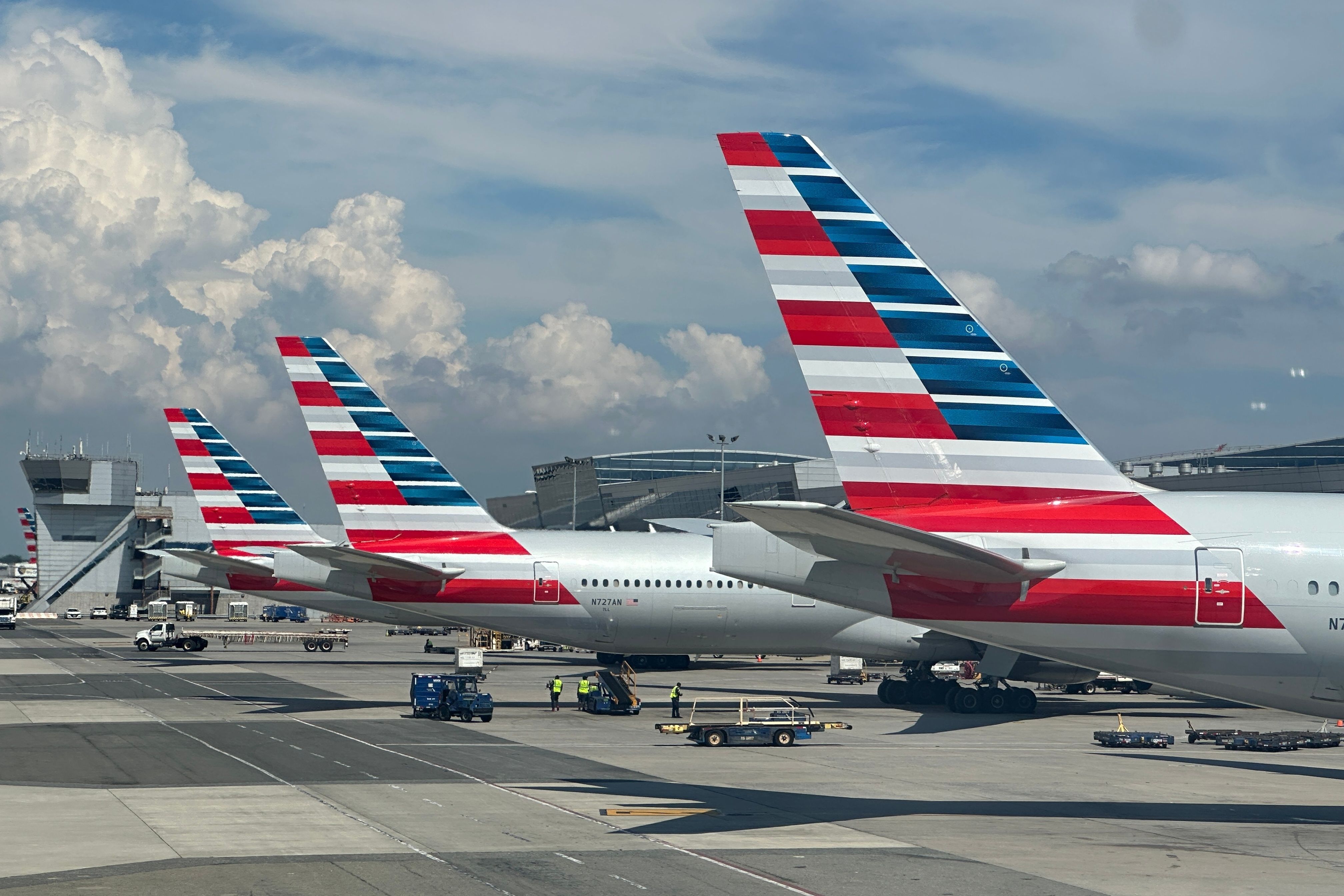
United also relies heavily on Boeing for its narrowbody operations. The airline operates 515 Boeing 737 NG and MAX series aircraft, including the -700, -800, and -900 variants, alongside the newer MAX versions. The average age of these aircraft ranges from one to 10 years, depending on the specific model. However, United also operates older narrowbody models, including 302 Boeing 737s from the -200, -300, and -500 series, which are gradually being phased out. Additionally, United has a significant number of Airbus narrowbodies, including:
- Airbus A319: 81 aircraft, with an average age of 14 years.
- Airbus A320: 79 aircraft, averaging 25 years, reflecting an older segment of the fleet.

Photo: Just dance | Shutterstock
Delta, known for its strategic fleet diversity, operates a balanced mix of Airbus and Boeing narrowbody aircraft. Its domestic workhorses include:
- Airbus A319: 57 aircraft, with an impressively young average age of two years.
- Airbus A320: 69 aircraft, averaging 13 years old.
- Airbus A321: 195 aircraft, also averaging just two years old.
- Boeing 737: A total of 264 aircraft, encompassing the -700, -800, and -900 variants, with varying ages depending on the specific model.
Delta also uniquely operates a large number of Boeing 757-200s and 757-300s, totaling 252 aircraft with an average age of just one year, offering enhanced flexibility for both domestic routes and shorter international flights.
![Delta Air Lines Airplanes in Boston Logan International Airport]() Network Strategy
Network Strategy
 Network Strategy
 Each airline’s network strategy significantly influences how it utilizes its narrowbody fleet and the resulting ASMs.
- American Airlines: With its expansive domestic network and a hub structure centered on major airports like Dallas-Fort Worth and Charlotte, American Airlines operates the highest number of flights.
- Delta Air Lines: Delta focuses on optimizing connections through its major hubs, such as Atlanta, Minneapolis-St. Paul, and Detroit. While it operates slightly fewer flights than American, Delta’s long average flight distances help it maintain competitive ASM numbers.
- United Airlines: United takes a balanced approach, connecting passengers to both domestic and international destinations. I

Related
Winter Is Coming: 5 Ways In Which Airlines & Airports Deal With Snow & Ice
Airlines and airports handle winter travel challenges by handling snow removal, de-icing, weather forecasting, maintenance, and communication.
Widebody operations: Connecting continents
While narrowbody aircraft dominate domestic travel, widebody jets play a crucial role in long-haul international flights. Cirium data highlights a different competitive landscape in widebody operations, with United emerging as the leader. United has 9,436 scheduled widebody flights for December 2024, significantly outpacing Delta with 7,591 flights and American with 4,985.
- United Airlines: 2,613,262 seats and 11,037,385,385 ASMs.
- Delta Air Lines: 1,962,848 seats and 8,190,478,825 ASMs.
- American Airlines: 1,335,290 seats and 5,778,106,014 ASMs.
![United Boeing 777-300ER]() Fleet and Route Strategy
Fleet and Route Strategy
 Fleet and Route Strategy
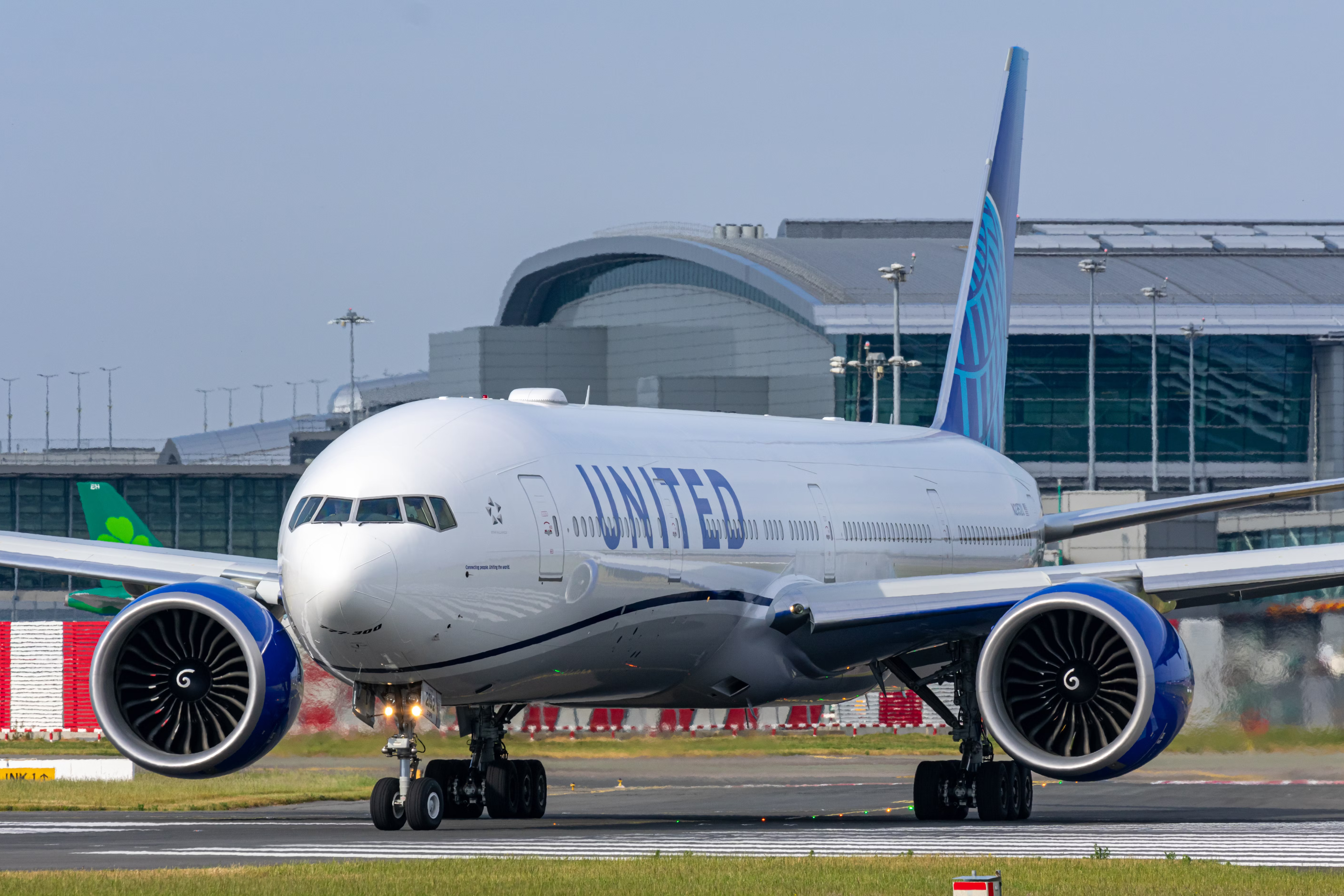
 United’s dominance in the widebody segment can be attributed to its strategic focus on international expansion, particularly across the pacific. The airline operates a substantial fleet of Boeing widebodies, including Boeing Boeing777-300ERs and Boeing 787, with a mix of 787-8, 787-9, and 787-10 variants, offering fuel efficiency and versatility.
This fleet composition aligns with United’s emphasis on transpacific routes, connecting the US to key destinations in Asia as well as other long-haul markets in Europe and latin america.

Photo: Phuong D. Nguyen | Shutterstock
Delta, by contrast, leverages its strong transatlantic presence. From its Atlanta hub, Delta connects passengers to major European cities, supported by joint ventures with European carriers. Delta’s widebody fleet includes Airbus A330s and Airbus A350s and Boeing 767s.
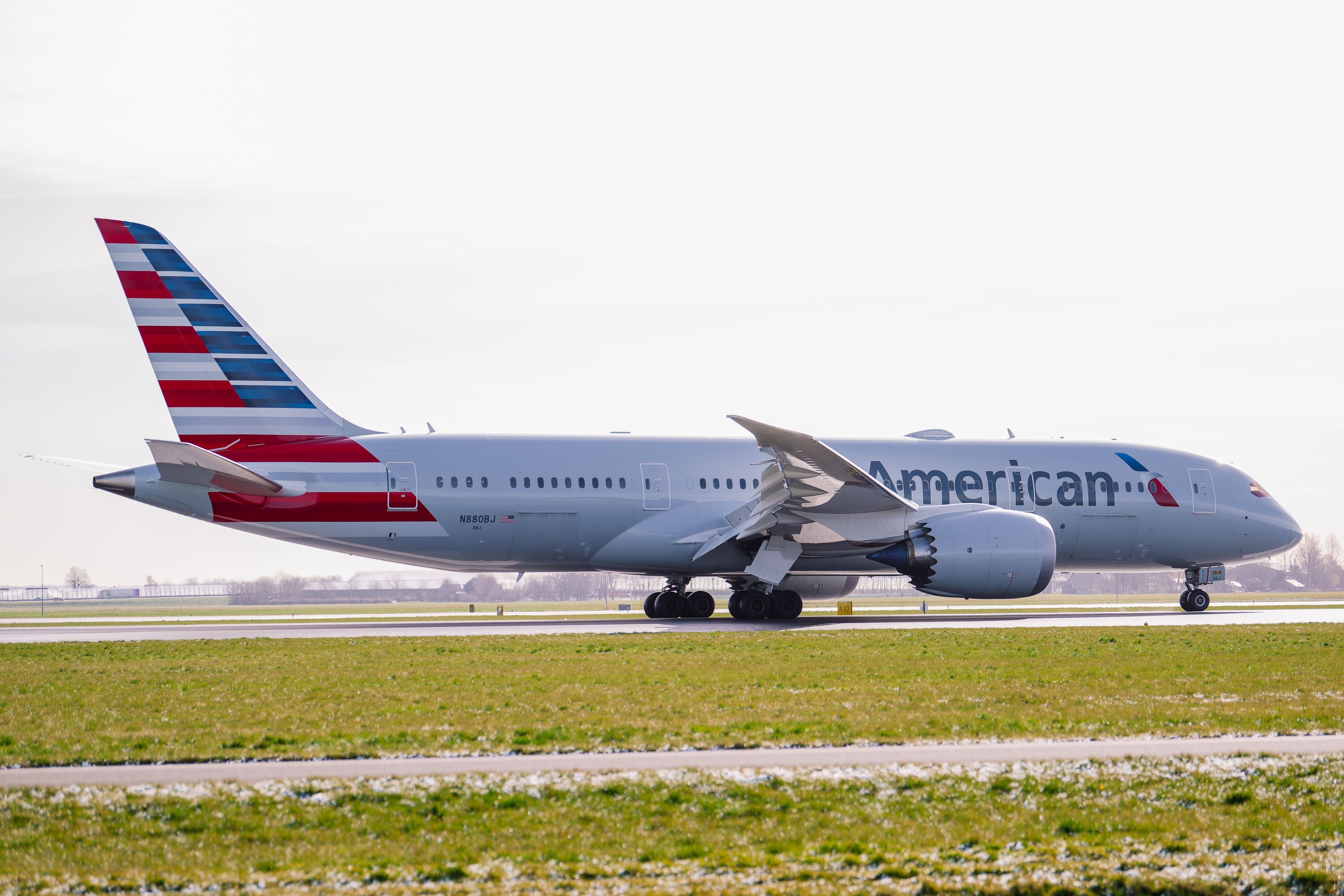
American adopts a diverse approach, deploying its widebody fleet across various international markets, including Latin America, Europe, and Asia. The airline’s fleet includes Boeing 777-200ERs and 777-300ERs, and 787 Dreamliners.
![American Airlines Boeing 787-8 Dreamliner on the runway.]() Network strategy
Network strategy
 Network strategy
 Each airline’s hub strategy plays a pivotal role in its widebody operations. United leverages its hubs in San Francisco and Newark to dominate transpacific and transatlantic markets, respectively. Delta’s Atlanta hub remains a key gateway for international flights, while its partnerships with foreign carriers enhance connectivity. American, with its hubs at Dallas/Fort Worth International Airport and in Miami, focuses on Latin American markets during the holiday season.
