


A Southwest Boeing 737-800 flying from Denver to San Franciso had to return to Denver shortly after takeoff due to a cabin pressurization issue. The aircraft landed without incident, and no one onboard was injured.
Cabin pressurization failure
On Thursday, November 21st,  Southwest Airlines Flight SWA4277, which services the nonstop route from Denver International Airport (DEN) to Oakland International Airport (OAK) using a Boeing 737-800 (registered N8551Q), was forced to divert to DEN after just 35 minutes of flight time.
According to The Denver Post, the aircraft’s cabin failed to pressurize fully. Simple Flying has contacted the airline to provide a statement on the incident.
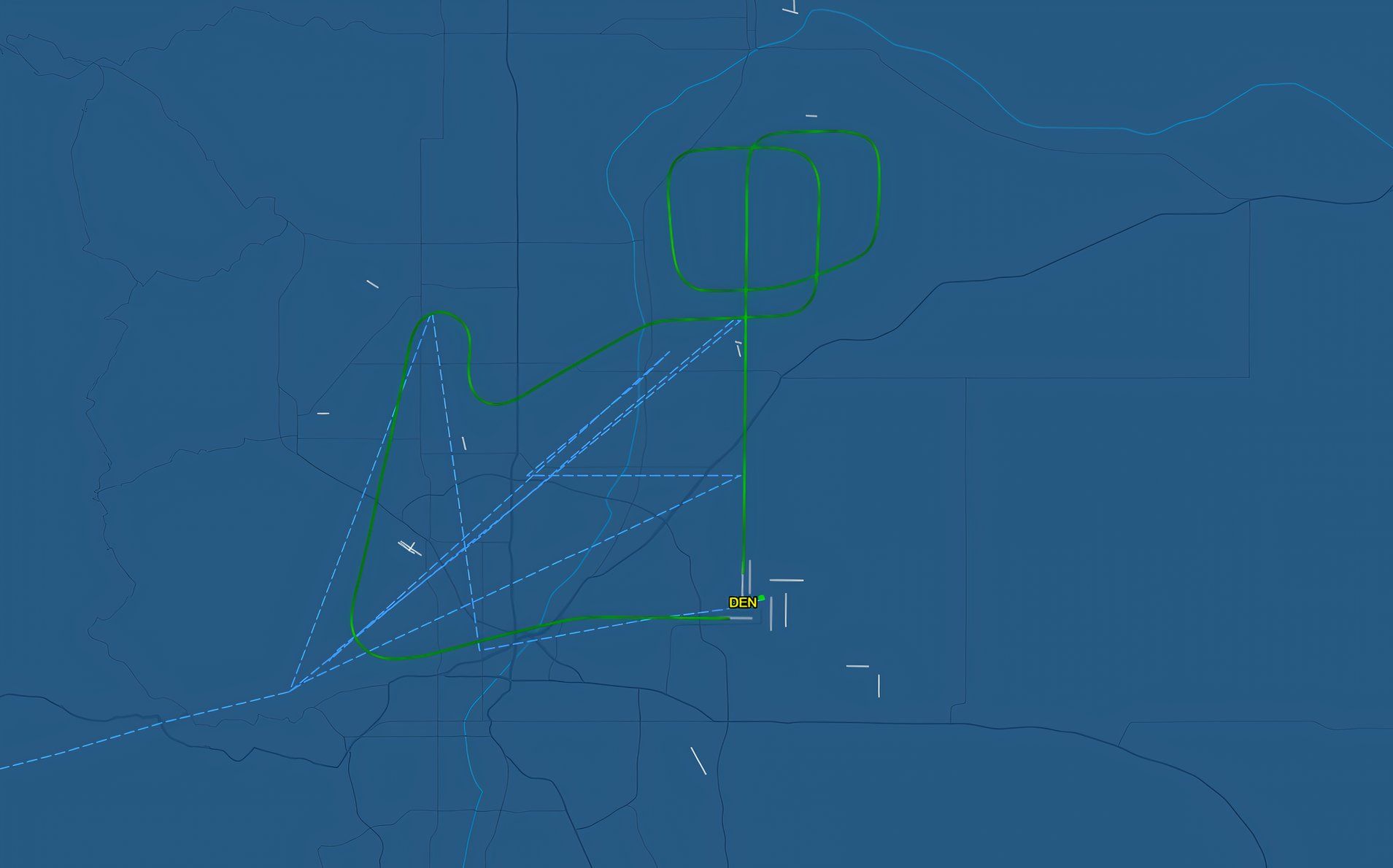
Photo: Flight Aware
According to data from Flight Aware, the aircraft took off at 20:50 local time, intending to start its 1,169-mile journey to OAK. However, the aircraft stopped climbing after reaching a maximum altitude of 12,200 ft, which took only four minutes after takeoff. No oxygen masks were deployed, and there was no panic among the passengers.
It quickly descended to 10,000 ft and roughly seven minutes later to 7,700 ft. It remained at this altitude and completed two circuits, which took roughly 15 minutes, possibly to burn fuel for landing. After 31 minutes of flight time, the aircraft began its final descent to landing and landed safely at DEN.
The aircraft taxied back to the gate under its own power; no other issues were reported. Passengers were deplaned, and the aircraft was grounded, pending inspection and maintenance.
Aftermath of the incident
Southwest Airlines was quick to organize another aircraft to ferry passengers to OAK. The replacement aircraft took off from DEN at 22:56 local time, roughly two and a half hours after the planned initial departure.
The replacement aircraft landed in OAK at approximately 00:39 PST, maintaining the same two-and-a-half-hour delay.
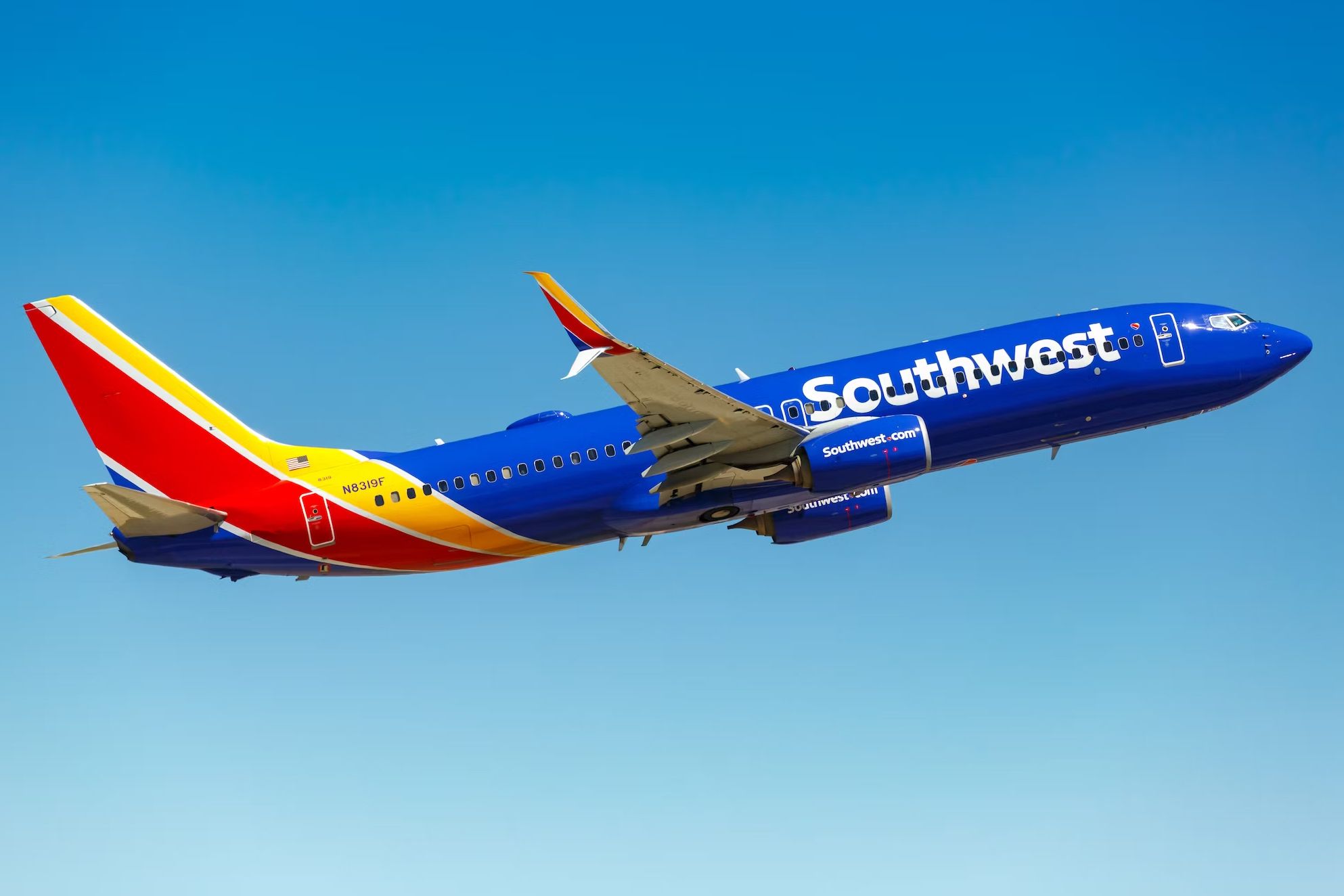
Photo: Markus Mainka | Shutterstock
According to ch-aviation, the aircraft with the pressurization system failure is N8551Q, a 7.11-year-old aircraft produced at the  Boeing Renton facility. It was delivered to Southwest Airlines in October 2017. The aircraft has 175 economy class seats and is powered by two CFM International CFM56-7B27 engines.
As of the end of June 2024, the aircraft had accumulated 22,501 flight hours and 11,281 flight cycles. The airline adds roughly 3,354 hours and 1,682 cycles annually.
Cabin pressurization
All major jetliners are pressurized to maintain a cabin altitude of roughly 6,000 to 8,000 ft. The aircraft uses engine bleed air to pump air into the cabin and maintain a particular pressure. This environment prevents the need for supplemental oxygen at high altitudes and prevents decompression sickness, barotrauma, and other physiological issues.
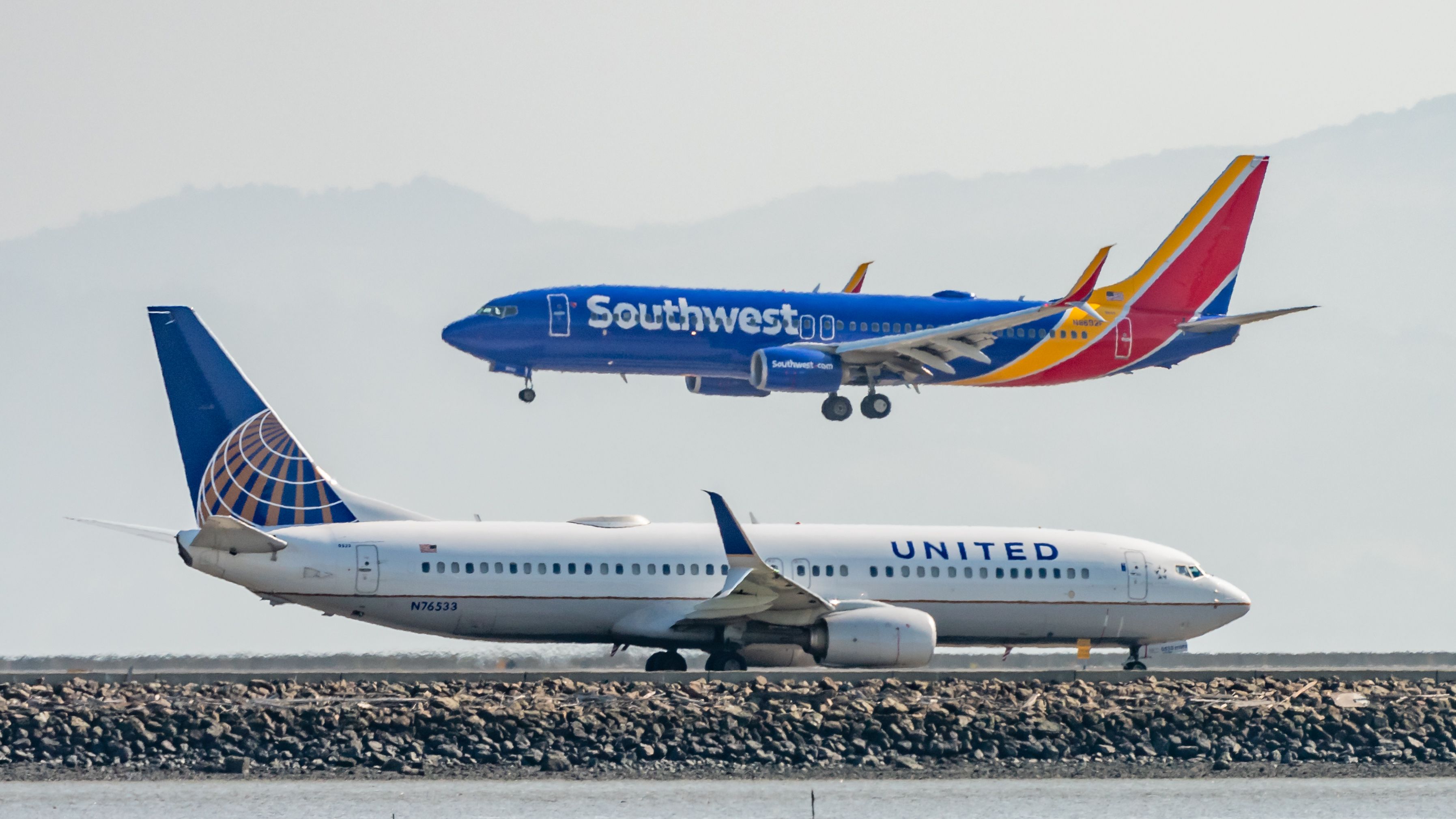
Photo: J Hopwood / Shutterstock
The air is circulated through heat exchangers and air conditioning packs to cool the air and reduce its moisture content to a level that makes passengers comfortable. The system also has valves to help control the pressure in the cabin. The failure of these valves (mainly outflow valves) will prevent the system from pressurizing.
As a result, the flight must either be completed below 10,000 ft (the threshold at which the human body can compensate for the lack of a pressurized environment) or canceled.
Related
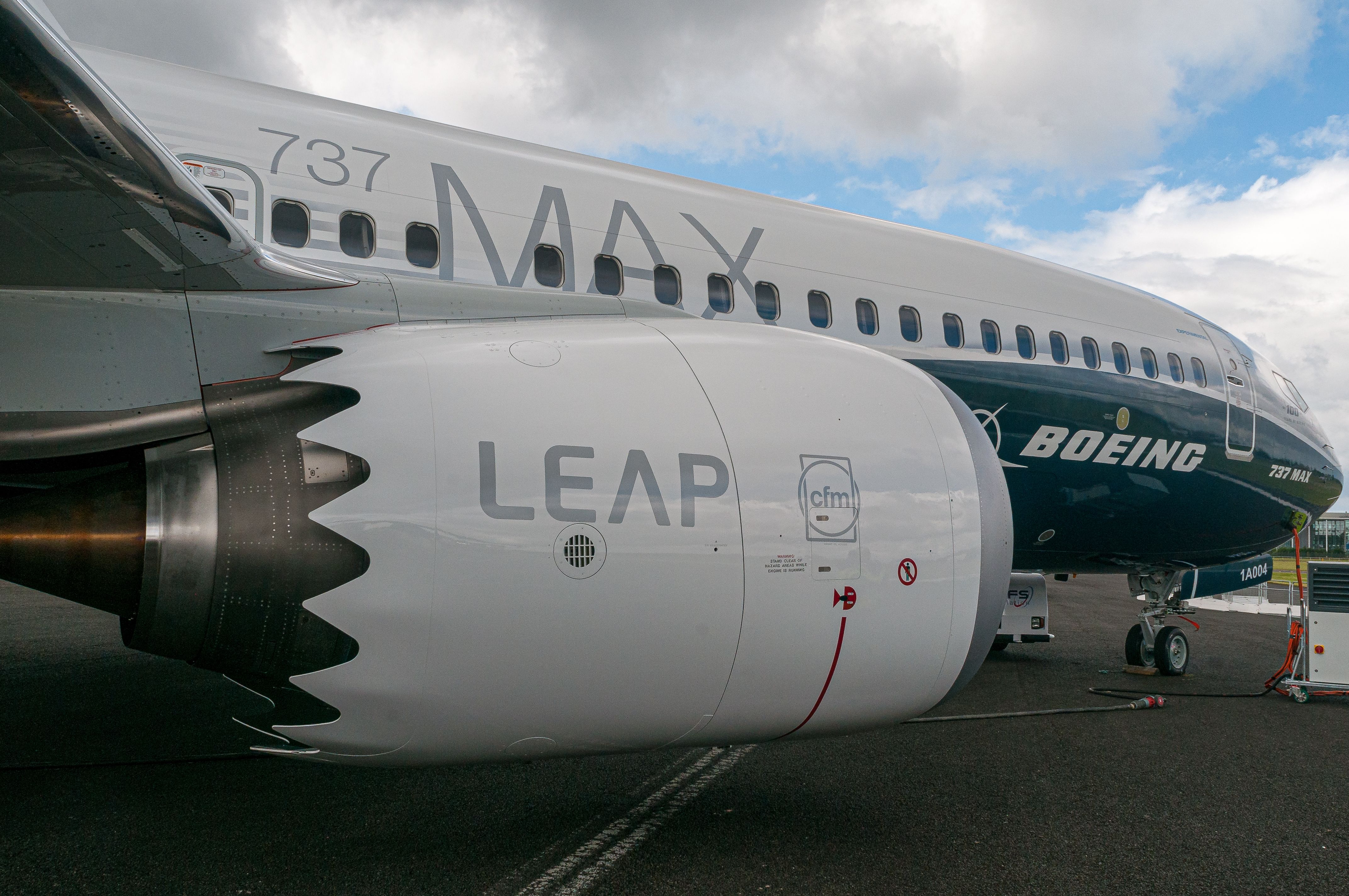
FAA To Review Boeing 737 MAX Engines After Southwest Airlines Bird Strike Incidents
The FAA will work with Boeing, CFM International, and EASA on further steps.
