


Global jewelry brand Pandora is transforming its warehouse operations, one corner of the world at a time.
The company has embarked on a modernization project spanning enterprise resource planning (ERP) systems, warehouse management systems (WMS), transportation management systems (TMS), and global visibility platforms to support rapid growth, sustainability goals, and an increasingly digital retail ecosystem. With a complex global footprint that includes manufacturing facilities and distribution centers (DCs) in Thailand, Europe, and North America, alongside an extensive third-party logistics (3PL) network, the company needed a scalable, flexible foundation capable of orchestrating operations across regions and channels.
Company leaders turned to supply chain technology company Hardis Supply Chain and its flexible WMS for that foundation, beginning in Europe and Thailand, where the system has been installed and is now up and running, with plans for implementation in North America this summer.
“We needed a partner that would flex with us,” Dawn Swackhamer, vice president of global operations and planning technology at Pandora, said in a statement describing the project earlier this year. “The big names can be rigid and don’t offer customization. Hardis was willing to configure and customize to meet our unique needs, and they do it very well.”
THE CHALLENGE
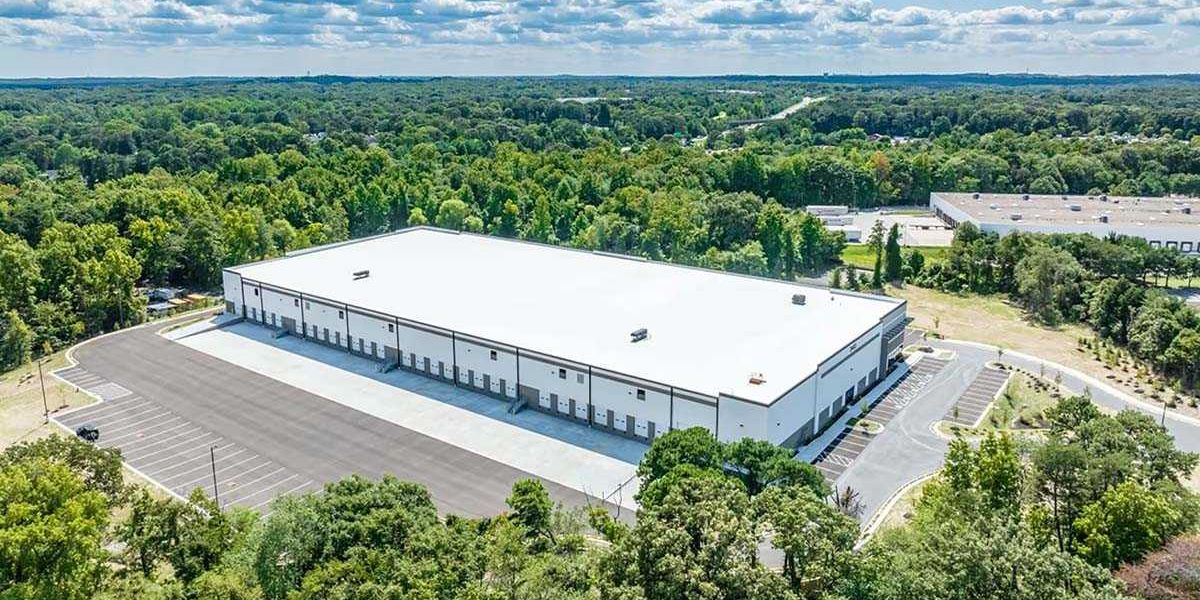
Pandora manufactures most of its products in-house and operates three company-owned distribution centers: in Hamburg, Germany; Baltimore; and Bangkok. As the company continued to scale globally, it identified the need to modernize warehouse execution as part of a broader transformation of its supply chain technology landscape. The business needed a WMS that could keep pace with growth, support its unique operational requirements, and deliver a better experience for DC teams.Key challenges included:
- Growth at scale: Pandora’s existing WMS could not support the volume and complexity of millions of pieces moving in and out of the DCs.
- Constraints on allocation logic: The previous solution could not support the more complex allocation scenarios the business required.
- Limited visibility: Pandora needed better inventory visibility to support global allocation and fulfillment decisions.
- Usability for DC teams: The system was not intuitive for operators, making everyday work harder than it needed to be.
THE SOLUTION
The Hardis WMS provides key elements for Pandora’s transformation, including:
- Support for complex, multiflow distribution: The WMS enables concurrent flows from manufacturing into distribution centers and from distribution centers to company-owned stores, franchises, wholesalers, and B-to-B partners, supporting continuous optimization across the network.
- Real-time visibility and flexible reporting: Configurable dashboards and role-based reporting provide end-to-end insight into inventory, throughput, and performance, enabling faster, data-driven decision-making.
- Customization aligned to Pandora’s operating model:} Tailored allocation and prioritization logic allows Pandora to dynamically respond to demand signals, margin considerations, and partner commitments, reducing idle inventory and improving service levels.
- Tight integration with enterprise systems: The WMS rollout aligns closely with Pandora’s migration to SAP S/4Hana and a new TMS, supporting stability during peak seasons while improving orchestration across the supply chain.
- A collaborative “one team” execution model: Hardis Supply Chain worked closely with Pandora teams throughout design, testing, and deployment, translating business requirements into solutions that perform in real-world operations.
THE RESULTS
Despite going live shortly before peak season, the system delivered strong performance improvements early on. These included the following:
- Reduced operational disruptions: High-severity system incidents decreased by approximately 50% compared to previous benchmarks.
- Improved system stability: The company has reported faster incident containment and stronger adherence to service-level agreements.
- Enhanced inventory visibility: Real-time transparency has supported more accurate allocation and fulfillment decisions.
- High-volume scalability: The platform supports daily throughput of approximately 187,000 units, scaling up to 666,000 during peak periods.
- Stronger fulfillment execution: The jeweler has seen improved reliability in meeting partner commitments and customer demand.
The WMS rollout to North America this summer will further standardize operations across regions and support continued growth in the U.S. market, according to the companies.
