


 Boeing has asked the Federal Aviation Administration (FAA) to exempt its aircraft from specific regulations concerning onboard flight data recorder (FDR) and cockpit voice recorder (CVR), arguing that the exemption has allowed the company to remain competitive internationally.
Certain FDR and CVR exemptions
In a filing on November 15, which was published on the public register on November 18, Boeing sought an exemption extension to two parts of the Code of Federal Regulations (CFR).
The original equipment manufacturer (OEM) requested that the exemption, which will expire on April 30, 2025, be approved by March 31, 2025.
Like the previous two-year exemption, if approved by the FAA, it would apply to all Boeing 737 Next Generation (NG) aircraft, 737 MAX, including the yet-to-be certified 737 MAX 7 and 737 MAX 10, 767, and 777. The latter does not include the 777X aircraft family.
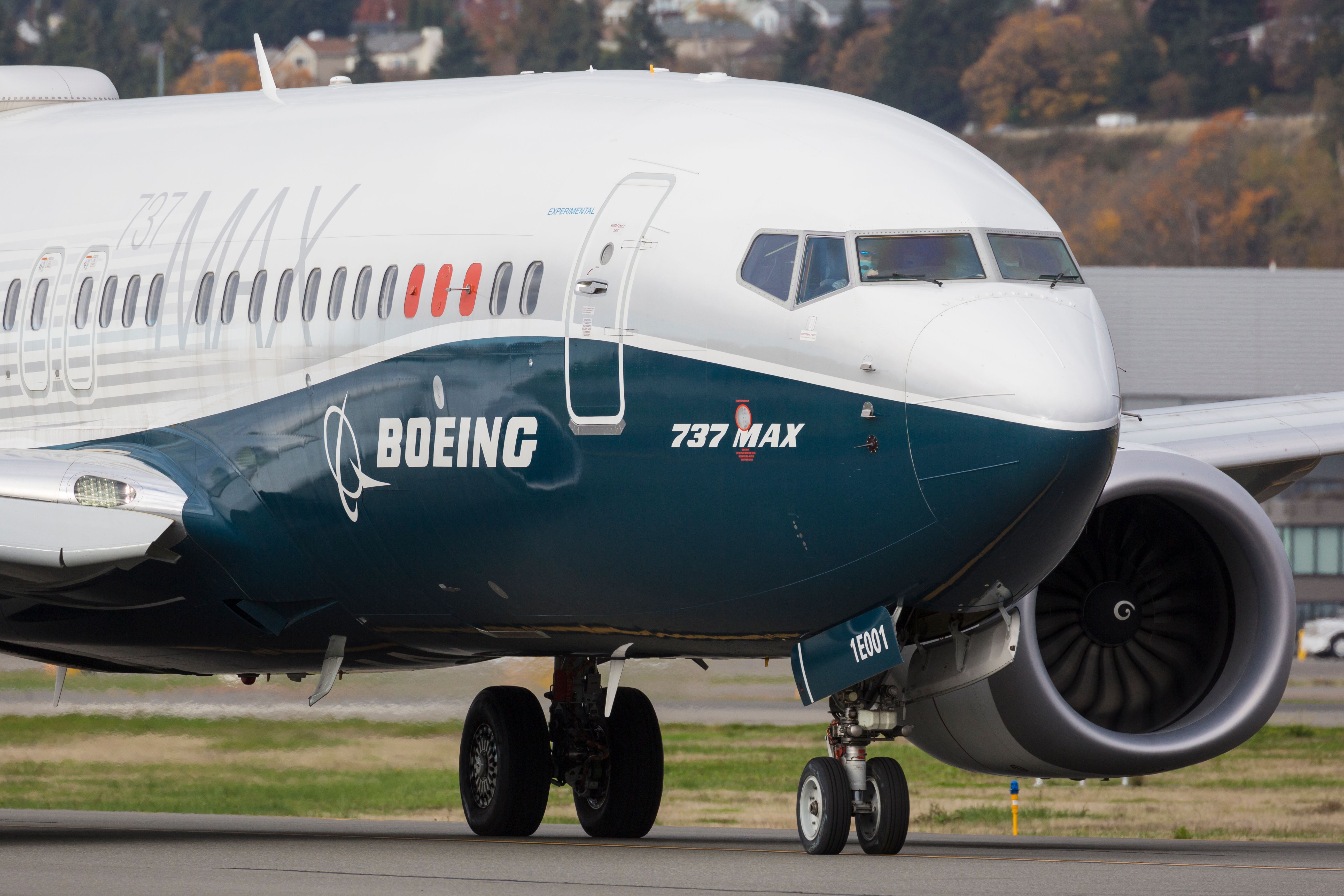
Photo: BlueBarronPhoto | Shutterstock
According to the filing, Boeing sought two CFR exemptions for its aircraft: for the digital FDR not to have a pitch control position sampling interval of eight per second and for the CVR not to have datalink communications using an approved data message set and a 10-minute independent power source.
“An airplane that lacks the equipment to meet one, two, or both of the [specific FDR and CVR requirements] qualifies for the use of this exemption.”
The exemption will also mandate Boeing to continue adding and removing aircraft to which the exemption applies, with a list of aircraft being operated with the exempt recorders.
If an exempted aircraft is involved in an incident or accident that would be reported to the FAA or the National Transportation Safety Board ( NTSB), the OEM must provide a copy of this exemption, data, and documentation to clarify what had been recorded, and the information on how to download and read digital FDR and CVR of the involved aircraft.
Boeing Details Plans To Build Better 737 MAX Planes
The Boeing executive’s statements related to the Alaska Airlines incident have resulted in sanctions by the NTSB.
Remaining competitive internationally
In the filing, Boeing specifically asked the FAA not to publish the request in the Federal Register, arguing that the exemption extension only affects its production processes and does not set a precedent.
The manufacturer added if the US regulator decided to publish the exemption extension request in the Federal Register, the following summary would be provided:
“In summary, given the importance of the sale of commercial jet airplanes on the U.S. balance of trade, granting of this extension is in the public interest because it enables Boeing to limit costs and remain competitive in the international aviation market. This exemption allows continued delivery of airplanes in a timely and cost effective manner while maintaining the intended levels of safety and quality.”
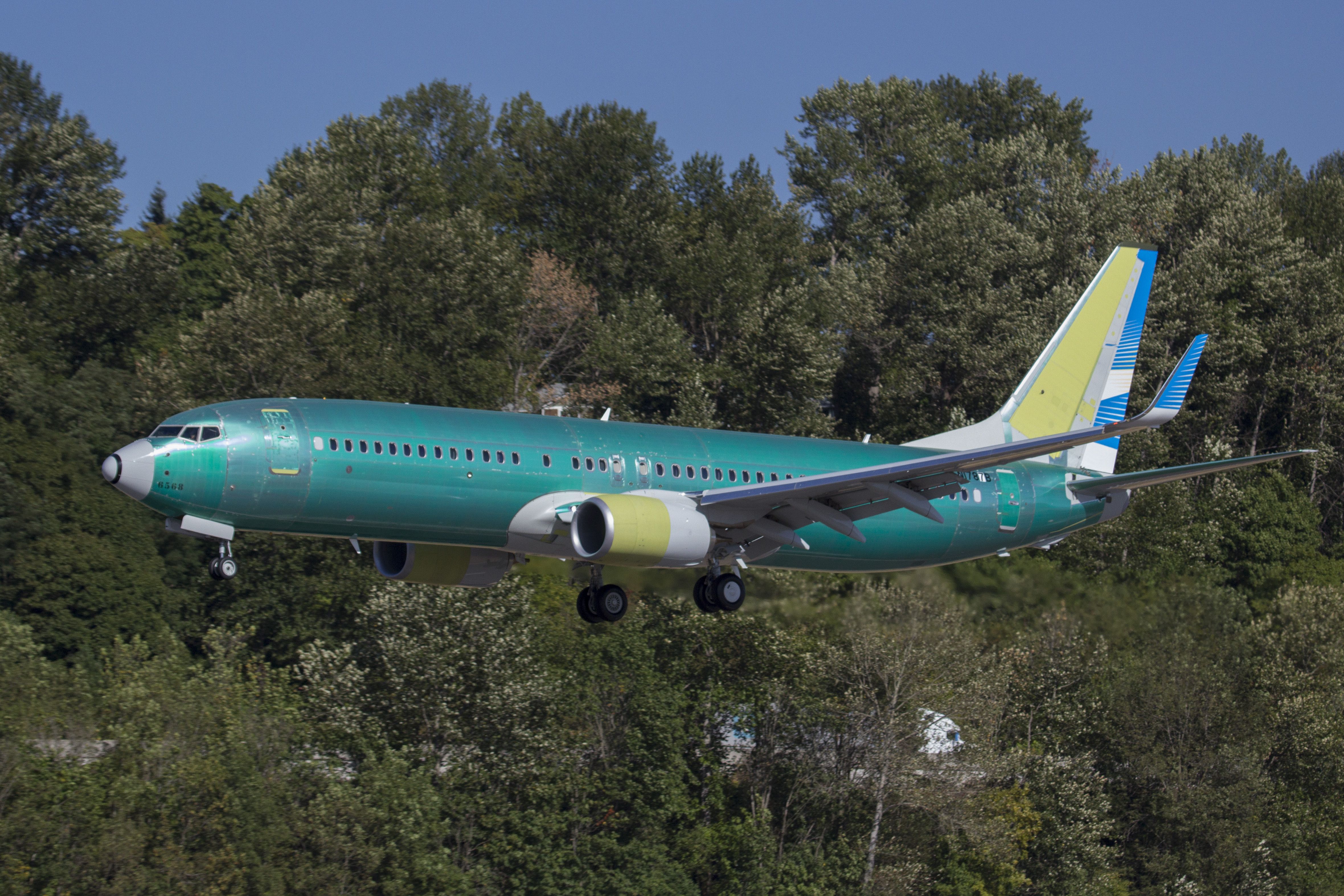
Photo: Alex JW Robinson | Shutterstock
When Boeing initially applied for the exemption in 2011, the manufacturer detailed that many foreign governments did not have requirements for aircraft that would be equivalent to the regulations outlined by the CFR regarding sampling rates, datalink communications, and power sources.
As a result, Boeing has offered these systems to non-US-based operators of 737, 767, and 777 aircraft families as an option only. Many airlines have chosen not to have them onboard their aircraft, the request read at the time.
“However, prior to the delivery of any Boeing [aircraft] to any US or foreign operator, Boeing conducts several different types of flight operations to show compliance to the FARs [Federal Aviation Regulations – ed. note].”
Since some aircraft will not be equipped with compliant FDR and CVRs, the OEM would not be able to test flight its products before they are handed over to its customers without the exception.

Related
How Many Aircraft Has Boeing Delivered Since The Machinists’ Strike?
Excluding the non-unionized site in South Carolina, Boeing had delivered 14 aircraft during the strike.
Changing CVR requirements
In December 2023, the FAA issued a notice of proposed rulemaking (NPRM), which, if finalized, would require newly produced aircraft to store 25 hours of CVR recordings instead of the current two-hour tape. According to the NPRM’s agenda, the final rule should be published sometime in December.
The European Union Aviation Safety Agency ( EASA) has required aircraft with a maximum takeoff weight (MTOW) of 27,000 kilograms (60,000 pounds) or more, built after January 1, 2021, to store 25-hour recordings of cockpit conversations since 2019.
Photo: The Bold Bureau | Shutterstock
In 2016, the International Civil Aviation Organization ( ICAO) adopted a standard that commercial aircraft with an MTOW of 27,000 kg (60,000 lbs) and manufactured after January 1, 2021, come equipped with 25-hour CVRs.
“The current 2-hour recording duration requirement does not meet the NTSB’s needs for investigations and subsequent safety recommendations.”
The FAA Reauthorization Act of 2024 has also mandated a 25-hour CVR, with the bill’s text saying that no commercial airline may operate an aircraft later than a year after the date of enactment of the act – May 16 – unless the aircraft is equipped with a CVR that retains the last 25 hours of recorded information.
Related
Industry Notes Safety Improvements As FAA Reauthorization Act Passes House
Some stakeholders, including the White House, have expressed disappointment over the FAA Reauthorization Bill of 2024.
