


On October 21, a China Southern Airlines Boeing 787-9, flight CZ3534 from Shanghai Hongqiao International Airport (SHA) to Guangzhou Baiyun International Airport (CAN), encountered a tail strike incident upon landing.
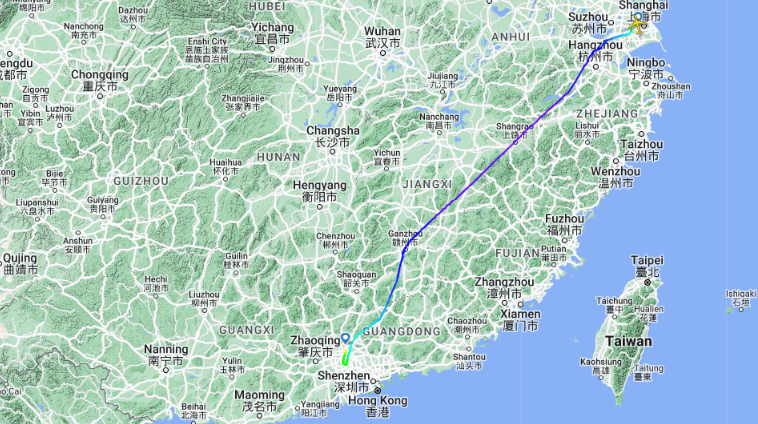
This resulted in substantial damage to the aircraft’s lower rear fuselage and cargo compartment. According to reports from some onboard passengers, the aircraft made a rough touchdown, causing the plane to bounce upon first contact with the runway. The aircraft involved, registration number B-1243, was delivered to China Southern Airlines on May 21, 2018, and has been in service for 6 years and 5 months.
Preliminary information indicates that the incident occurred after the co-pilot requested to conduct a “no-guidance” manual landing practice without navigation aids. The supervising instructor agreed after assessing the favorable weather in Guangzhou. During the approach, after the autopilot was disengaged, the aircraft’s flight parameters remained largely stable. However, upon nearing the runway, the aircraft’s descent rate increased unexpectedly. The instructor briefly intervened, adjusting the controls as the aircraft continued to descend. Upon initial touchdown, the plane bounced roughly three feet off the runway before contacting the ground again, reportedly leading to the tail strike.
Aircraft damage and investigation
Following the landing, the flight crew received an alert on the aircraft’s display system indicating a tail strike. Ground crew inspections confirmed visible scrape marks and a tear on the lower fuselage skin. Additionally, the internal structure of the cargo compartment showed multiple frame fractures. The aircraft has remained grounded since the incident, and further flights for this unit have been suspended, with no additional flights scheduled.
Fortunately, the tail strike occurred at China Southern’s main base in Guangzhou, which helps reduce the complexity and delays in arranging subsequent repairs.
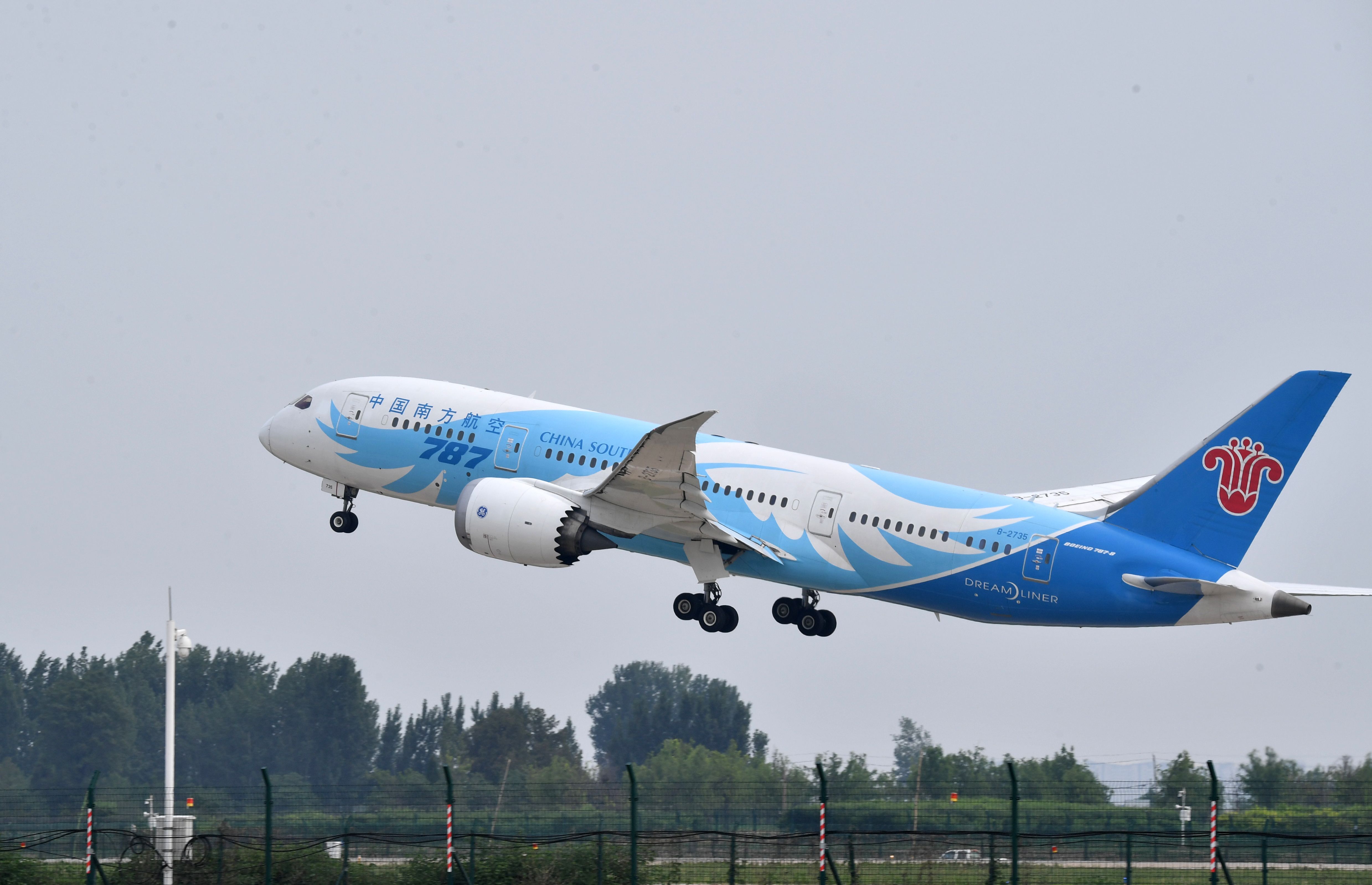
Photo: China Southern
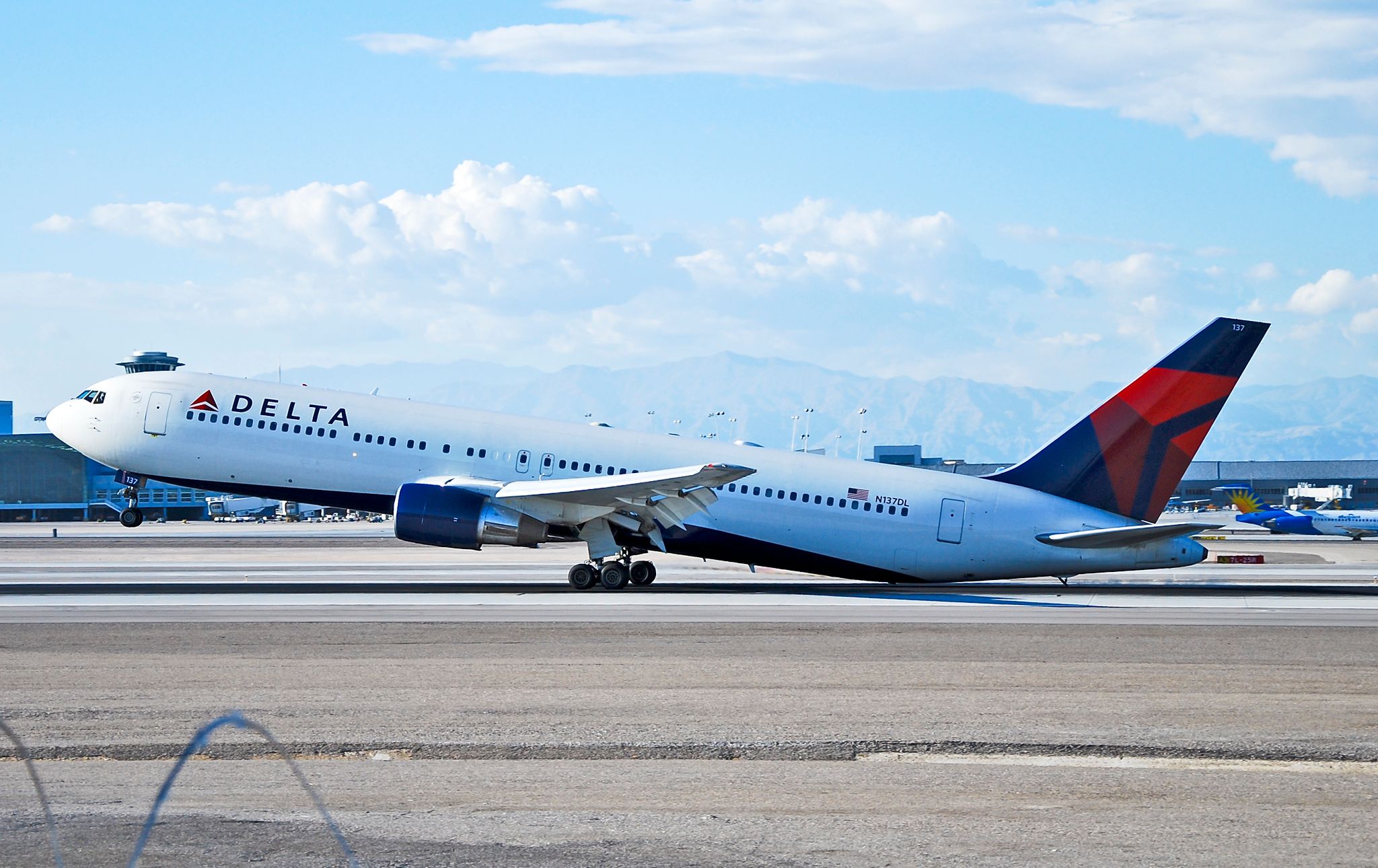
Tail strikes occur when an airplane’s tail contacts the ground during takeoff or landing, risking significant structural damage. This can happen due to factors like excessive pitch or mistrimmed stabilizers. Pilots prevent tail strikes by ensuring correct trim, avoiding excessive rotation speed, and stabilizing the approach. Training and simulation reinforce these skills, helping pilots manage unexpected conditions. Advanced onboard systems also alert pilots to potential tail strike risks, minimizing incidents and enhancing safety during critical flight phases.
Related
What Is A Tail Strike And Why Can They Be Dangerous?
Regulators have been closely monitoring tail strikes to maintain safe aircraft operations.
Response from authorities and airline
China Southern Airlines has yet to issue an official statement confirming the details of the incident. When contacted, Guangzhou Baiyun International Airport (CAN) staff could not provide specific information, while China Southern’s customer service indicated that details of a tail strike would typically be published on the airline’s website if confirmed.
Passenger accounts from the flight corroborate the rough landing experience, with one traveler describing the initial touchdown as “hard, like legs hitting cement,” followed by a brief sensation of weightlessness before a secondary, smoother landing. Despite the severity of the strike, all passengers and crew were reported safe, and no injuries were noted.

Photo: China Southern
The Civil Aviation Administration of China ( CAAC) has acknowledged the incident and has stated that it will conduct a follow-up investigation according to standard procedures. Although tail strikes are relatively rare, this incident serves as a reminder of the precision required during manual landings, particularly with elongated aircraft models. China’s aviation sector has seen similar incidents before, notably a 2020 tail strike involving a Shanghai Airlines Boeing 737-800, which led to substantial fuselage damage.
The full scope of the damage is under assessment, and the aircraft will undergo necessary repairs before returning to service.
