


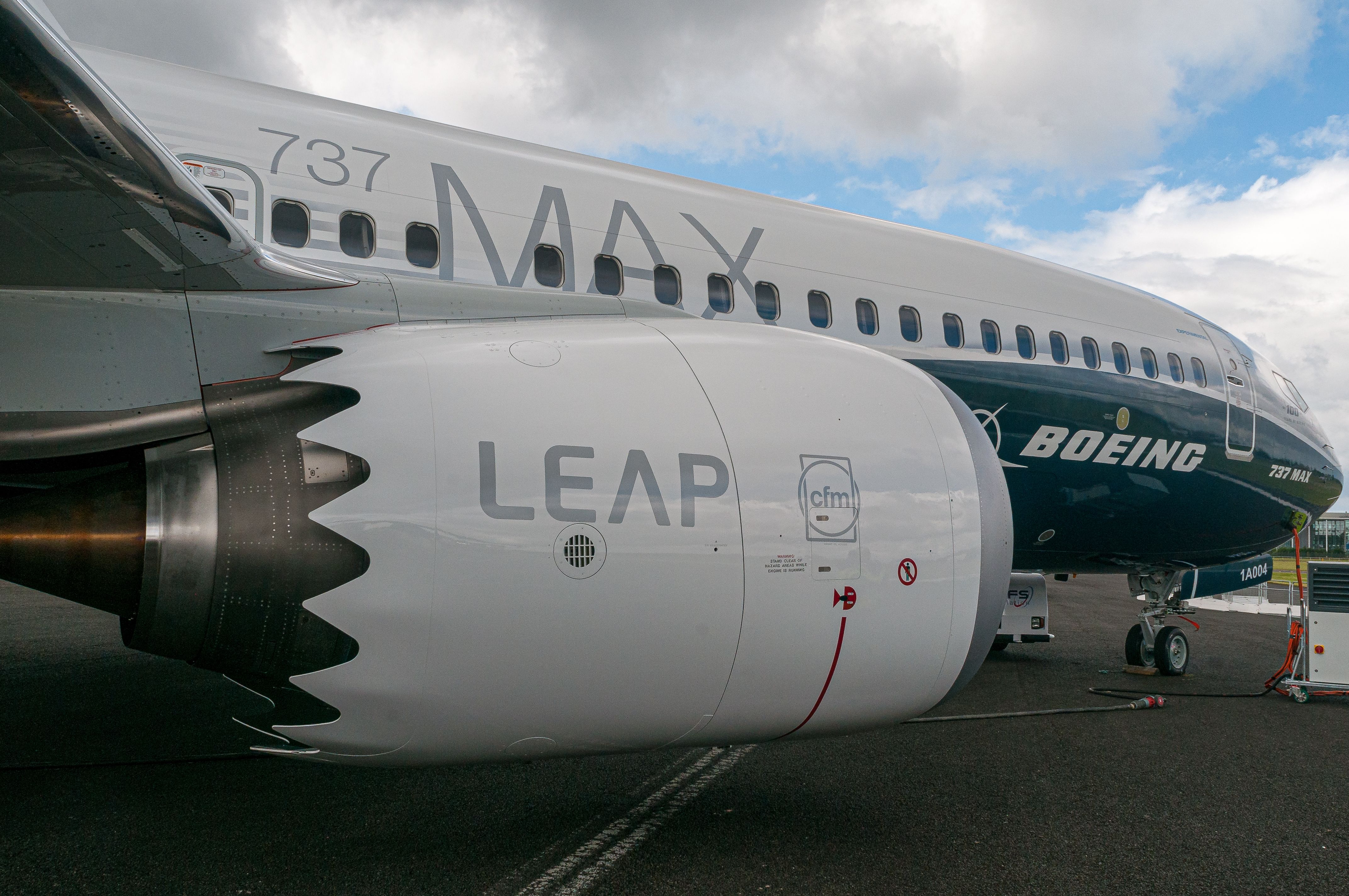
A team of accident investigators inside the Federal Aviation Administration (FAA) have internally recommended a design change to the CFM International LEAP-1B engines that exclusively power the Boeing 737 MAX aircraft. The vulnerability lies within the engine’s design, not the aircraft itself. The FAA has not yet released a final decision, but deliberations are ongoing.
The smoking gun
The issue lies with the smoke entering the interior of the aircraft. This smoke results from oil being ingested into the air conditioning system, which, upon activating a load reduction device (LRD), will send fumes into the cockpit/cabin.
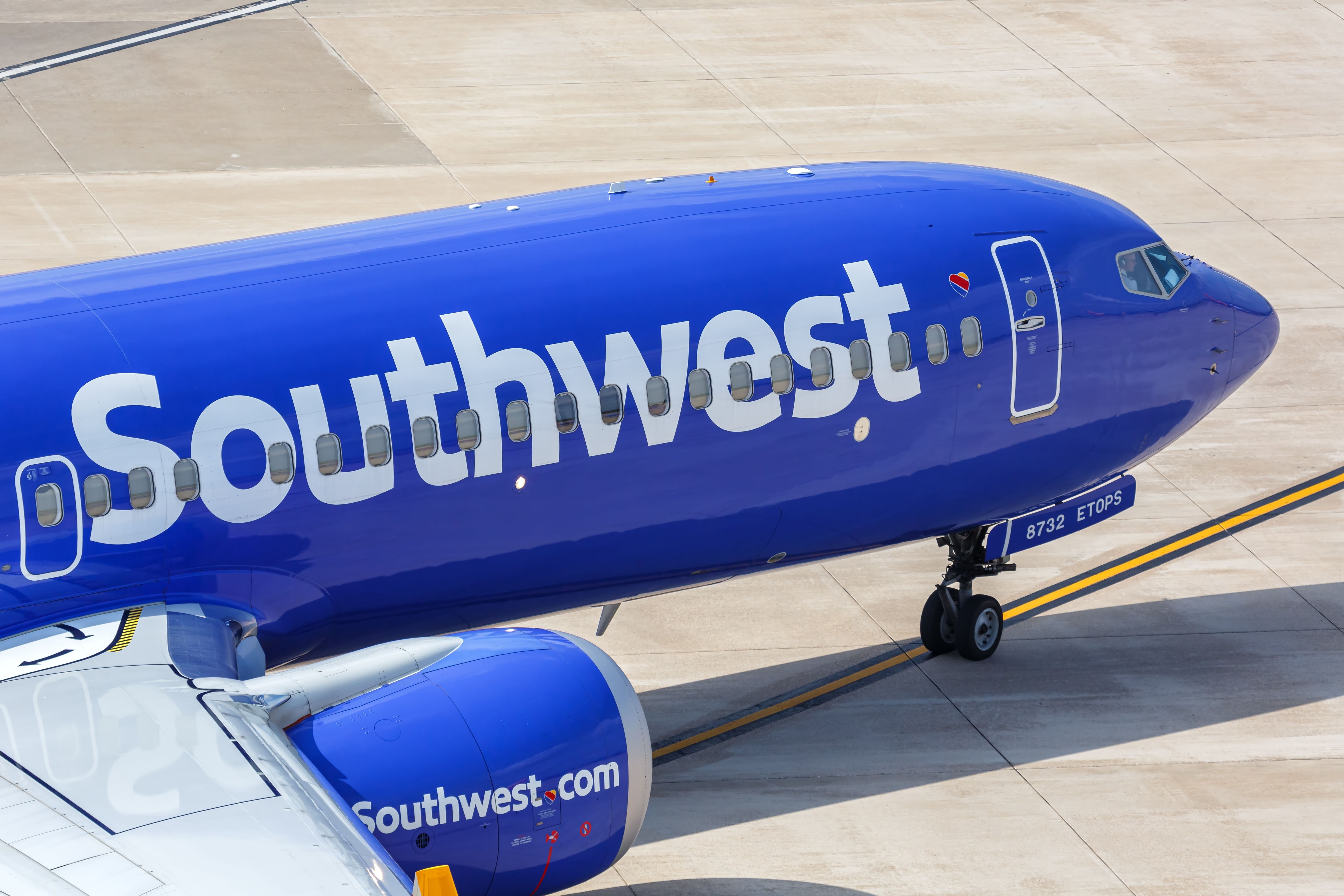
Photo: Markus Mainka | Shutterstock
According to The Seattle Times, an internal FAA memo from the Office of Accident Investigation and Prevention dated October 28th outlines six recommendations to avoid “the potentially catastrophic risk” of smoke and noxious emissions. These fumes can be lethal in large doses, so changes must be made.
In the memo, the team recommends that FAA Administrator Mike Whitaker “require a design change which detects the immediate impulse of a bird strike” and automatically closes the affected engine’s airflow to the aircraft’s interior as quickly as possible.
Corrective actions
The FAA reported that it will convene a Corrective Action Review Board to examine the findings and recommendations and decide on which action is required.
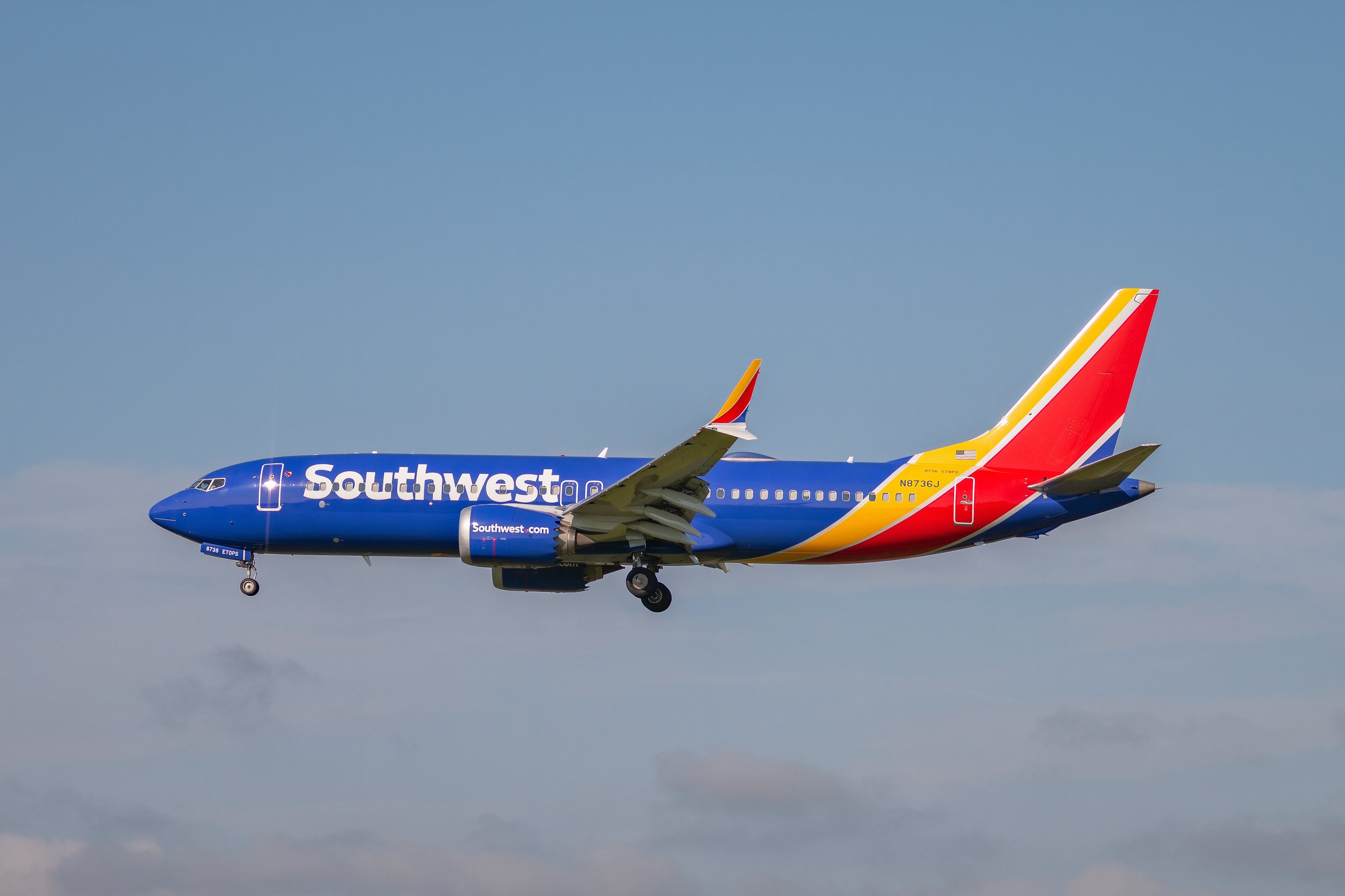
Photo: Dorengo5 | Shutterstock
Meanwhile, the memo also recommends that, until changes are made to the engine’s design, an emergency airworthiness directive should instruct all MAX pilots to amend their takeoff procedures.
Two amended takeoff procedures are suggested. One requires that the pilots close the airflow from the left engine upon a bird strike, which delivers air to the cockpit. The other is a more extreme solution requiring pilots to close airflow from both engines, preventing airflow to the cabin and cockpit.
Dennis Tajer, an Allied Pilots Association spokesperson, prefers the second option. He says, “We have to protect the passengers. They shouldn’t be doused with lethal chemicals.”
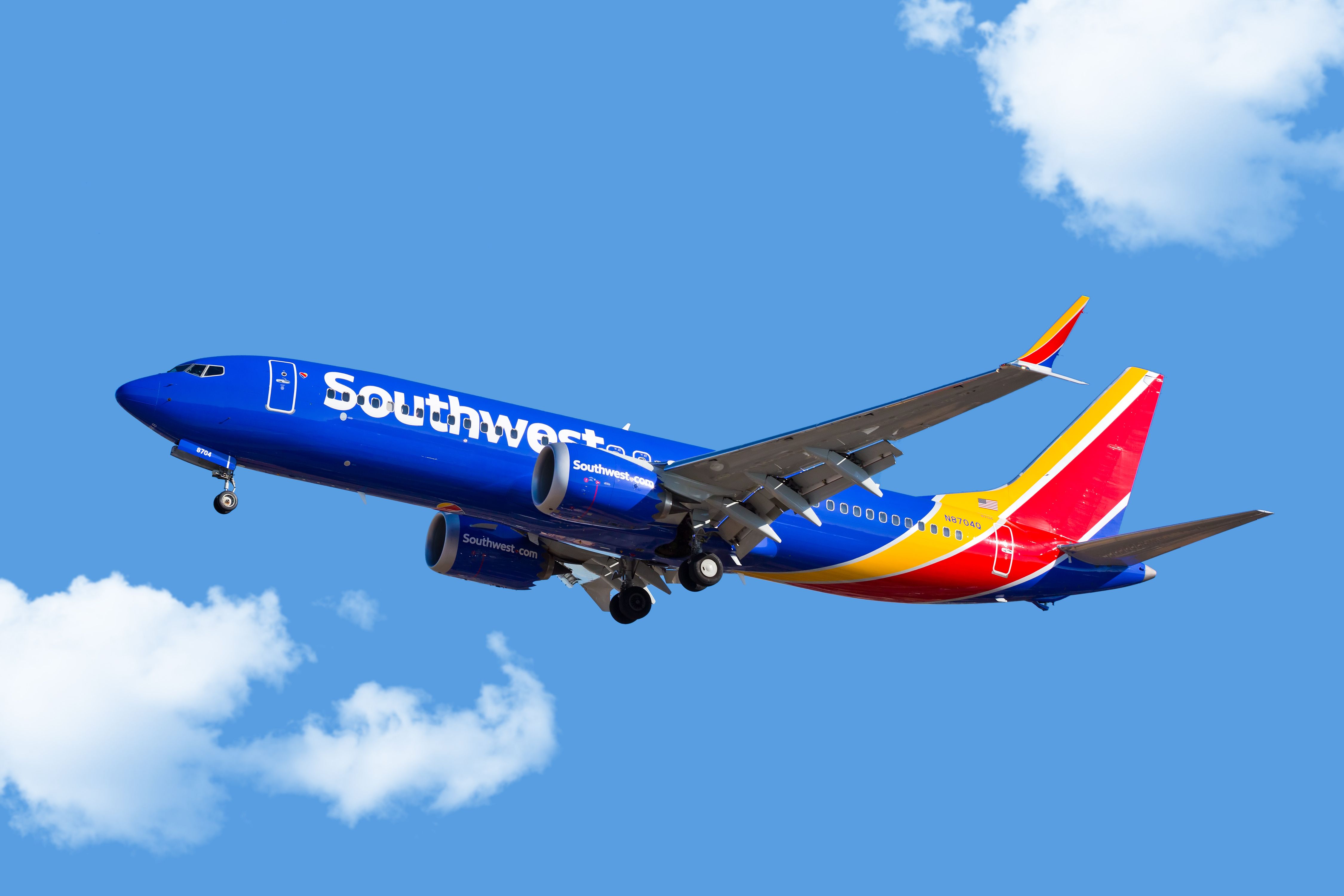
Photo: Carlos Yudica | Shutterstock
However, the issue might not require any correction, according to Jeff Guzzetti, an aviation safety consultant and former FAA accident investigator who ran the office that produced the memo. He says:
“These two events certainly sound serious to me. However, there could be people inside the FAA — engine certification experts, engineers, test pilots — that would say this is not needed. I just think this is part of the sausage-making of hard aviation safety decisions.”
In previous statements to Simple Flying,  Boeing and CFM International have said that they are working closely with the FAA to find a solution to the issue. We have asked for an update on the matter.
What prompted the investigation?
The first incident occurred in March 2023, after a  Southwest Airlines flight operated using a Boeing 737 MAX 8 aircraft was forced to return to Havana José Martí International Airport (HAV). The five-month-old aircraft had suffered a bird strike on takeoff, and shortly after, the cabin had filled with smoke and fumes.
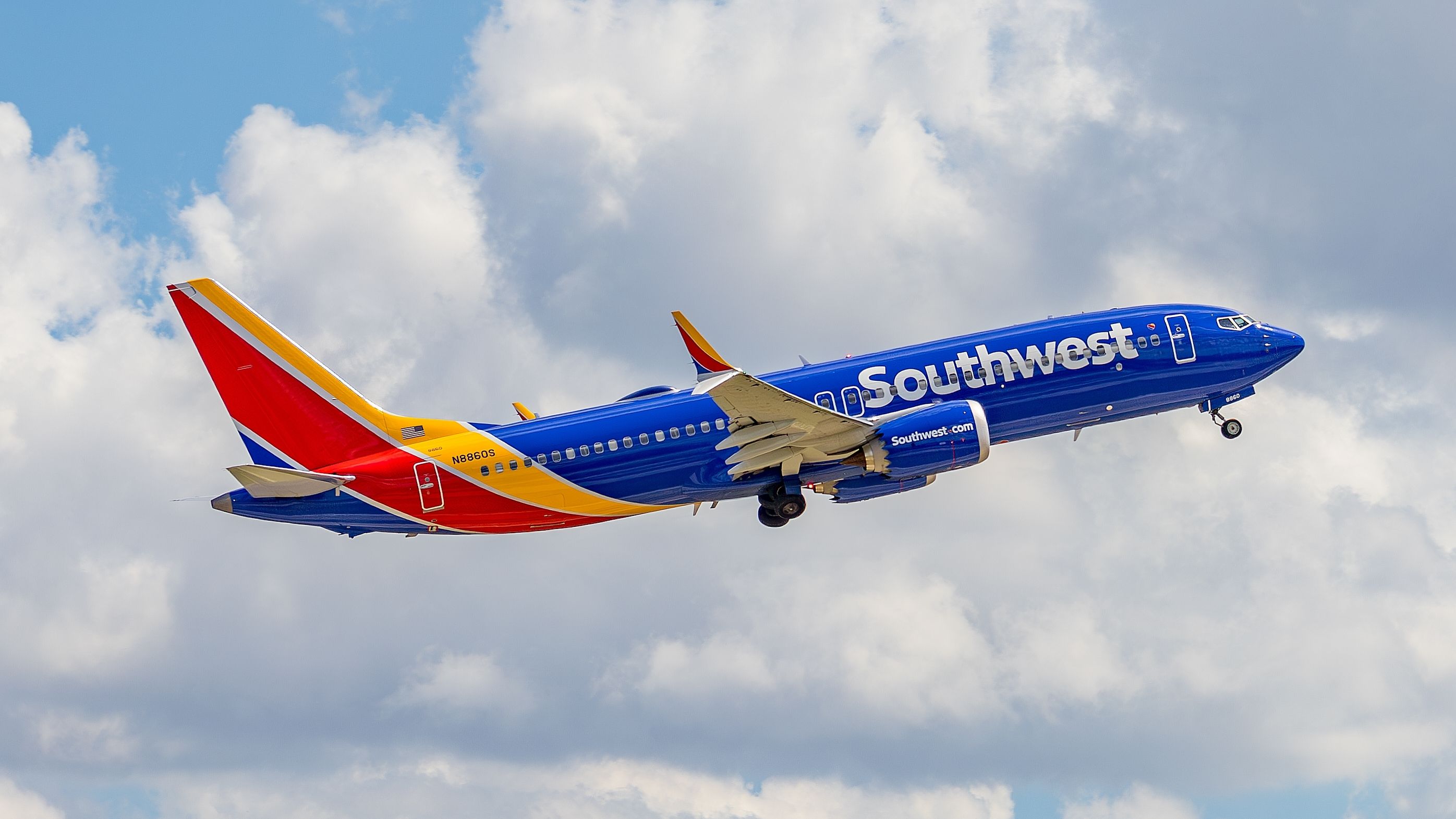
Photo: lorenzatx | Shutterstock
In December 2023, another Southwest Airlines flight operated using a one-year-old 737 MAX 8 had to return to New Orleans (MSY) after an engine ingested a bird on takeoff. This time, the cockpit filled with smoke.
Related
FAA To Review Boeing 737 MAX Engines After Southwest Airlines Bird Strike Incidents
The FAA will work with Boeing, CFM International, and EASA on further steps.
