

Frontier Airlines Sees Off-Peak Flying Still Challenging As Airline Loses $11 Million In Q3


Frontier Airlines ended Q3 with a net loss of $11 million (adjusted), with the low-cost carrier still seeing challenges related to off-peak traffic flows.
Returning to losses
On October 29, Frontier Airlines announced that in Q3, the low-cost carrier’s net loss (adjusted) was $11 million, with its non-adjusted net profit being $26 million. During the same quarter a year prior, its adjusted net loss was $32 million.
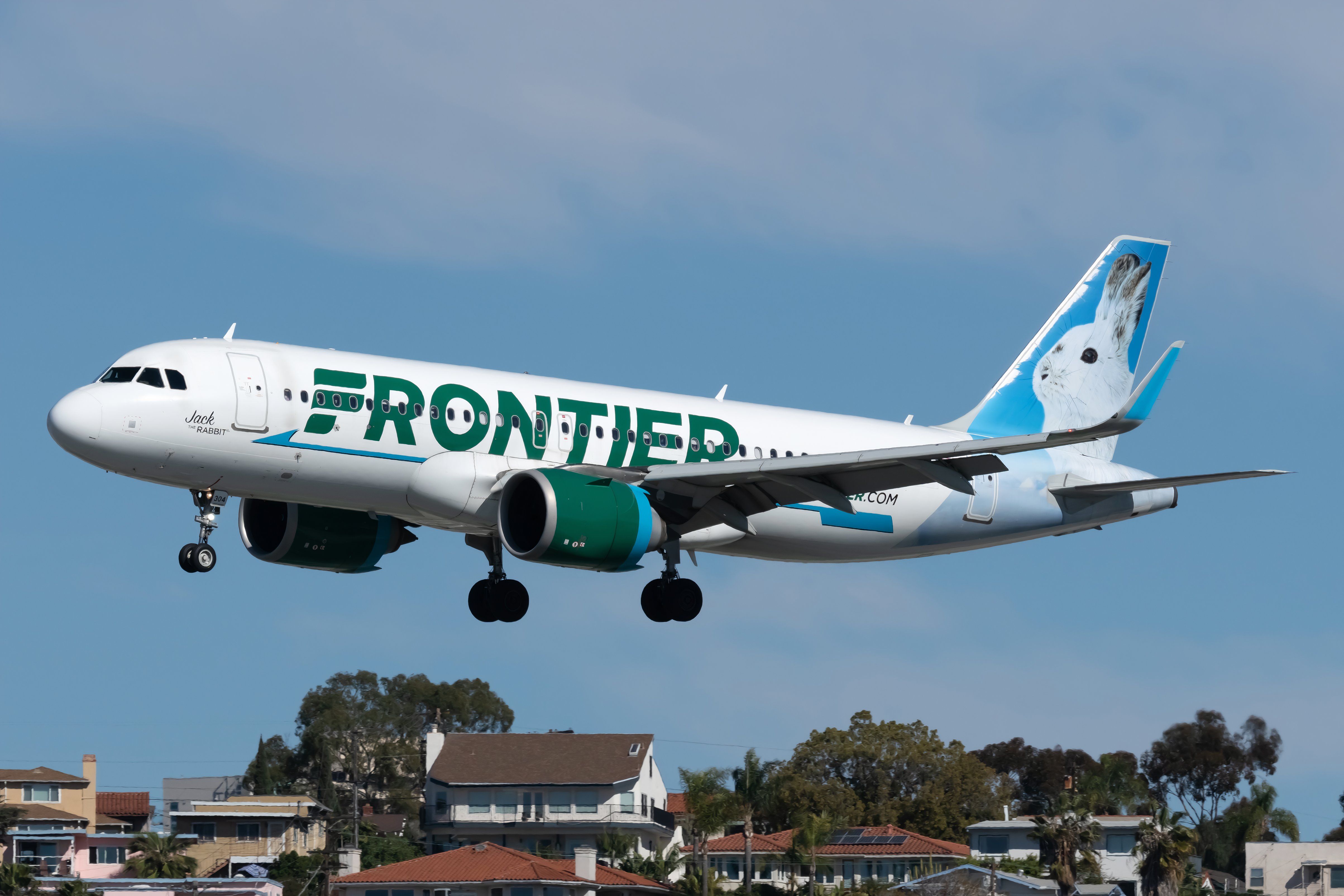
Photo: Vincenzo Pace | Simple Flying
According to Barry Biffle, the chief executive officer (CEO) of Frontier Airlines, its revenue and network initiatives began to overcome an oversupply of seats in the United States, which was evidenced by its revenue per available seat mile (RASM) metric, which inflicted positively by mid-August.
“We expect maturity of our network and revenue initiatives and moderating industry capacity growth to set the stage to continue to grow RASM and, along with our industry-leading cost performance, to drive a return to double-digit adjusted pre-tax margins by summer 2025.”
The carrier ended Q3 with revenues of $935 million and operating expenses of $916 million (non-adjusted, adjusted: $954 million).
In Q2, Frontier Airlines posted a net income of $31 million. Since 2022, it had seven quarterly profits, including Q3, when it only posted a non-adjusted net income.
Frontier Airlines Reports $973 Million Q2 Revenue & Swaps Airbus A321XLRs For A321neos
Frontier Airlines had ordered 18 Airbus A321XLRs in June 2019.
Off-peak challenges
Speaking during the airline’s Q3 earnings call, Jimmy Dempsey, the president of Frontier Airlines, noted that the quarter included its slowest quarterly post-pandemic capacity growth rate, which resulted in RASM of $9.28.
During the quarter, Frontier Airlines carried 8.8 million passengers, an increase of 15% year-on-year (YoY), with the airline deploying 4% more capacity than in Q3 2023, measured in ASMs. Its average load factor was 78%.
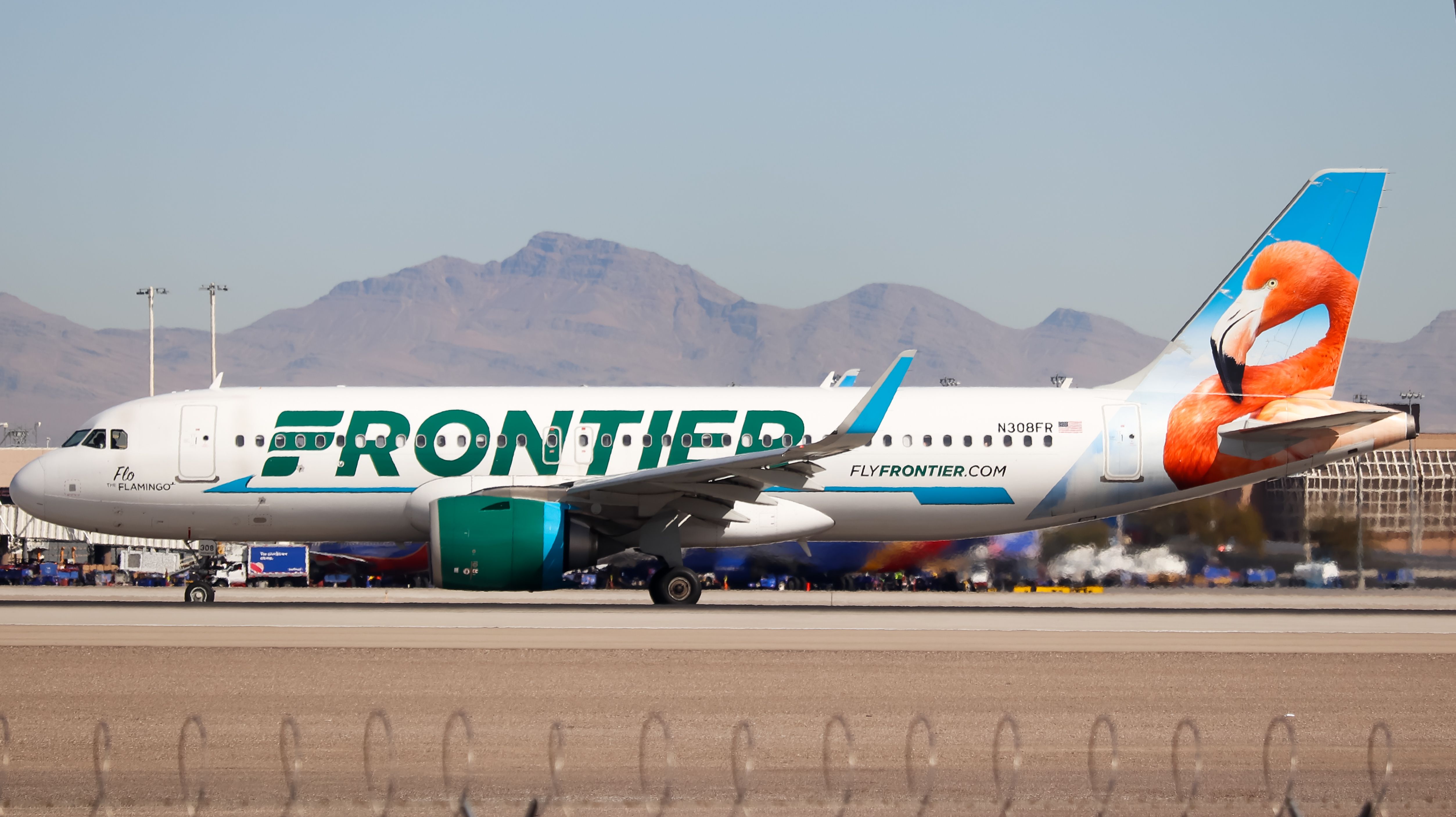
Photo: Bradley Caslin | Shutterstock
Per passenger revenue decreased to $106, with Dempsey noting that it was largely down to an oversupply on domestic routes before industry-wide capacity reductions. These have begun midway through the quarter, according to the executive.
The Frontier Airlines president reiterated the positive inflection point of its stage length-adjusted RASM through August and into September, with its own and industry-wide capacity adjustments being a direct consequence.
“We removed 37% of off-peak flying, shaping the week on the higher demand days whilst adding new routes, which increased our revenue pool by 17%.”
However, Dempsey admitted that off-peak travel has remained a challenge for Frontier Airlines. As a result, the airline will continue moderating capacity on Tuesdays, Wednesdays, Saturdays, and on red-eye flights throughout 2025.
Instead, it will focus on improving its RASM performance. The airline’s capacity should grow in the mid-single digits in 2025, with an average stage length of around 900 miles (1,448 kilometers). In Q3, its average stage length was 856 mi (1,377 km), a drop of 14% YoY.
Photo: HMBSoFL Photography | Shutterstock
Frontier Airlines announced changes to its onboard experience in May with ‘The New Frontier’ initiative. At the time, the airline said that it wanted to improve its customers’ experience with clear pricing and options, no change fees, expanded flight credit expiration periods, and the lowest price guarantee.
Bobby Schroeter, the senior vice president and chief commercial officer (CCO) of Frontier Airlines, pointed out that the initiatives have shown significant momentum, with the new Economy, Premium, and Business being significant drivers of revenue growth during the quarter.
In comparison to Q3 2023, Frontier Airlines revenue increased 6%, its financial results announcement showed.
ULCC Frontier Airlines Will Start Blocking Middle Seats In The First 2 Rows
Passengers can upgrade and enjoy more elbow room and personal space.
Decreasing capacity
Frontier Airlines’ guidance for the remainder of the year outlined that the airline should reduce its Q4 capacity by 2% to 3%, with the adjusted pre-tax margin being 0% to 2%.
“Full year 2024 adjusted (non-GAAP) CASM (excluding fuel) on a stage-length adjusted basis to 1,000 miles, is expected to be down approximately 1% compared to the prior year, at the low end of prior guidance (down 1 to 2%), driven by lower off-peak day-of-week capacity in the fourth quarter, which more closely aligns with demand trends.”
In Q3, Frontier Airlines took delivery of five Airbus A321neo aircraft, which were all financed through sale-and-leaseback (SLB) transactions. Going forward, the carrier has secured SLBs for expected deliveries in 2025 and one-third of deliveries in 2026.
Photo: Robin Guess | Shutterstock
According to its fleet plan, it should take delivery of six A321neo in Q4, eight A320neo and 13 A321neo in 2025, and seven A320neo and 15 A321neo in 2026. However, Frontier Airlines warned that it has experienced delivery delays from Airbus, which could continue going forward.
Related
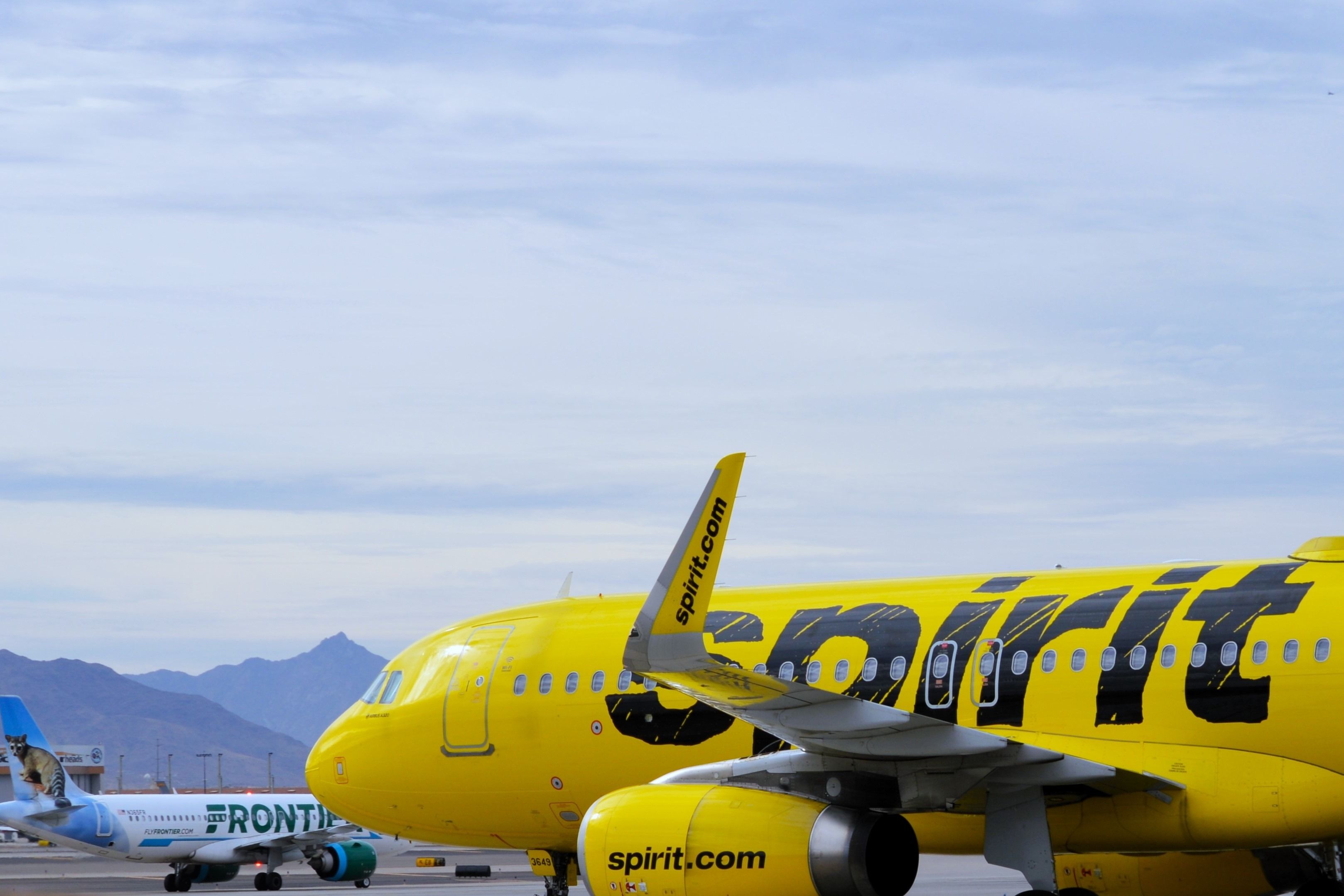
Frontier Airlines Eyeing Spirit Airlines Acquisition
The airlines’ previous merger agreement collapsed when JetBlue swooped in with a higher offer to Spirit Airlines’ shareholders.
