


Ryanair’s quarterly profits have continued to drop as the airline has continued to lower fares with its ‘load active/yield passive’ approach to revenue generation.
External pressures
On November 4, Ryanair reported its Q2 FY2025 and H1 FY2025 financial results, with the periods ending on September 30 being affected by external factors, including consumer spending pressure and  Boeing delivery delays.
According to the Irish low-cost carrier, which ended Q2 FY2025 and H1 FY2025 with a net profit of €1.52 billion ($1.6 billion, 6% lower year-on-year [YoY]) and €1.79 billion ($1.9 billion, 18% lower YoY), respectively, despite 737 MAX delivery delays, its traffic grew 9% to 115.3 million passengers during the six-month period.
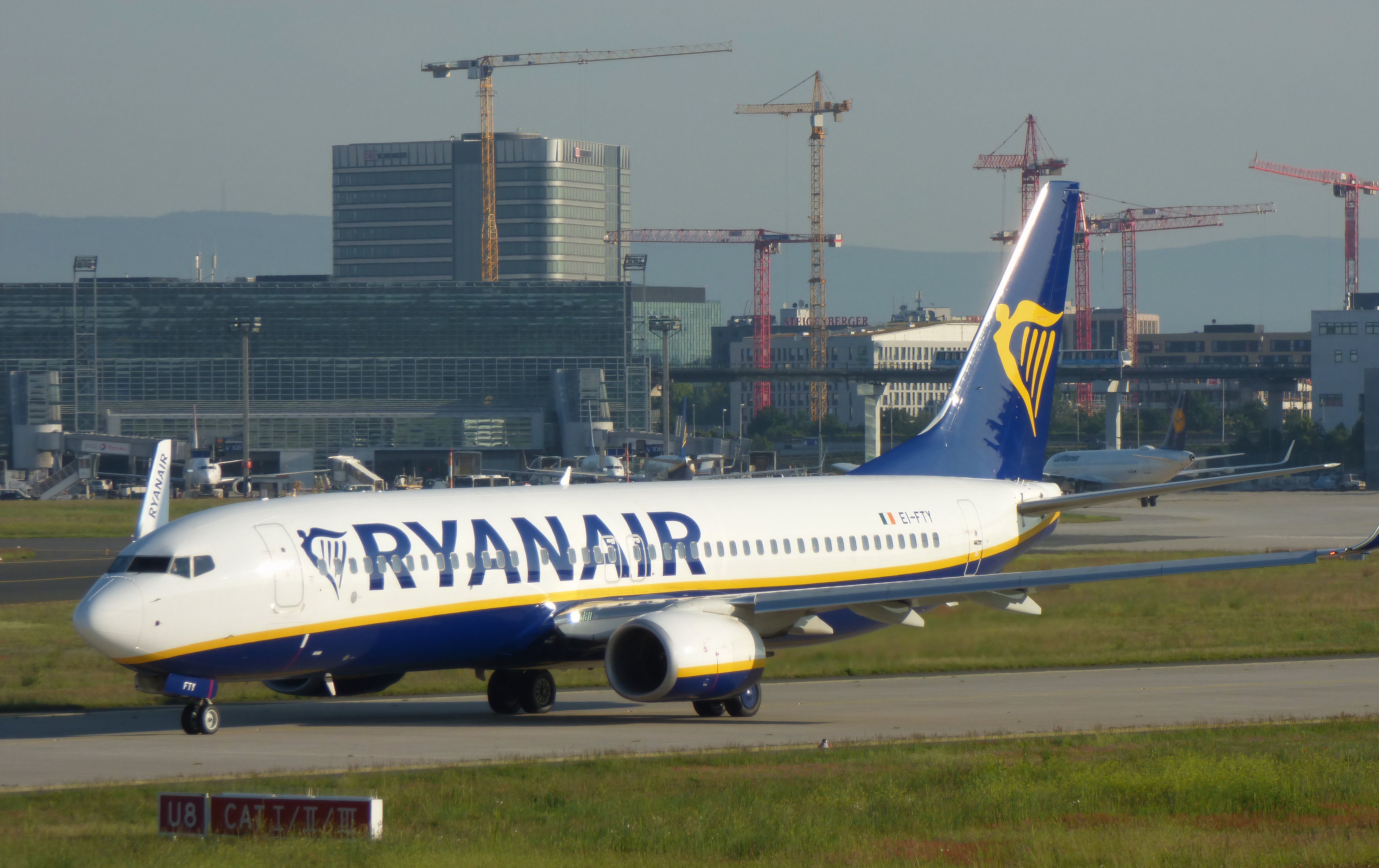
Photo: Jake Hardiman | Simple Flying
As a result, while its H1 FY2025 revenues grew slightly (1% YoY) to €8.69 billion ($9.4 billion), its operating expenses increased 8% YoY to €6.68 billion ($7.28 billion), resulting in the worsening profit margin.
Rising costs were largely driven by rising airport and handling charges (12% YoY), staff costs (21% YoY), air traffic control (ATC) charges (13% YoY), and depreciation (11% YoY). Fuel and oil costs were flat, Ryanair noted.
Micheal O’Leary, the chief executive officer (CEO) of Ryanair, said that Easter being in Q4 FY2024, higher interest rates, inflation reduction measures, and a drop in online travel agency (OTA) bookings forced the airline to continue stimulating prices as part of its ‘load active/yield passive’ sales strategy.
Thus, its average fare decreased by 7% to €61 ($66.5) in Q2 FY2025, with the average six-month fare being €52 ($56.68, 10% lower YoY). Still, O’Leary noted that many travelers are now switching to Ryanair for its lower fares, resulting in record market share gains across Europe.
Related
Ryanair Reports 46% Drop In Quarterly Profit & Predicts Lower Summer Fares
Ryanair warned that any further delivery delays could worsen its situation in an already difficult fare environment.
Impact of late Boeing 737 MAXs
Detailing Boeing delivery delays, O’Leary stated that at the end of October, the low-cost carrier group had 172 Boeing 737 MAX 8-200 aircraft in its fleet, with the remaining nine Q3 FY2025 (October to December 31, 2024) deliveries being pushed back to Q4 FY2025 (January to March 31, 2025) due to the strikes at Boeing.
The manufacturer’s machinists have been voting on a new tentative agreement (TA) on November 4, which will enable them to return to work as soon as November 6, with the over 33,000 machinists represented by the International Association of Machinists and Aerospace Workers (IAM) District Lodge 751 and District W24, having to do so by November 13, if the contract is approved by them.
“The risk of further delivery delays remains high, particularly for [summer 2025], and it is in that context that we think it is sensible now to slow down our projected traffic growth next year from 215 million to 210 million passengers.”
O’Leary added that the group wanted to avoid the mistakes of summer 2024 when it was overscheduled, over-crewed, and “over-costed.”

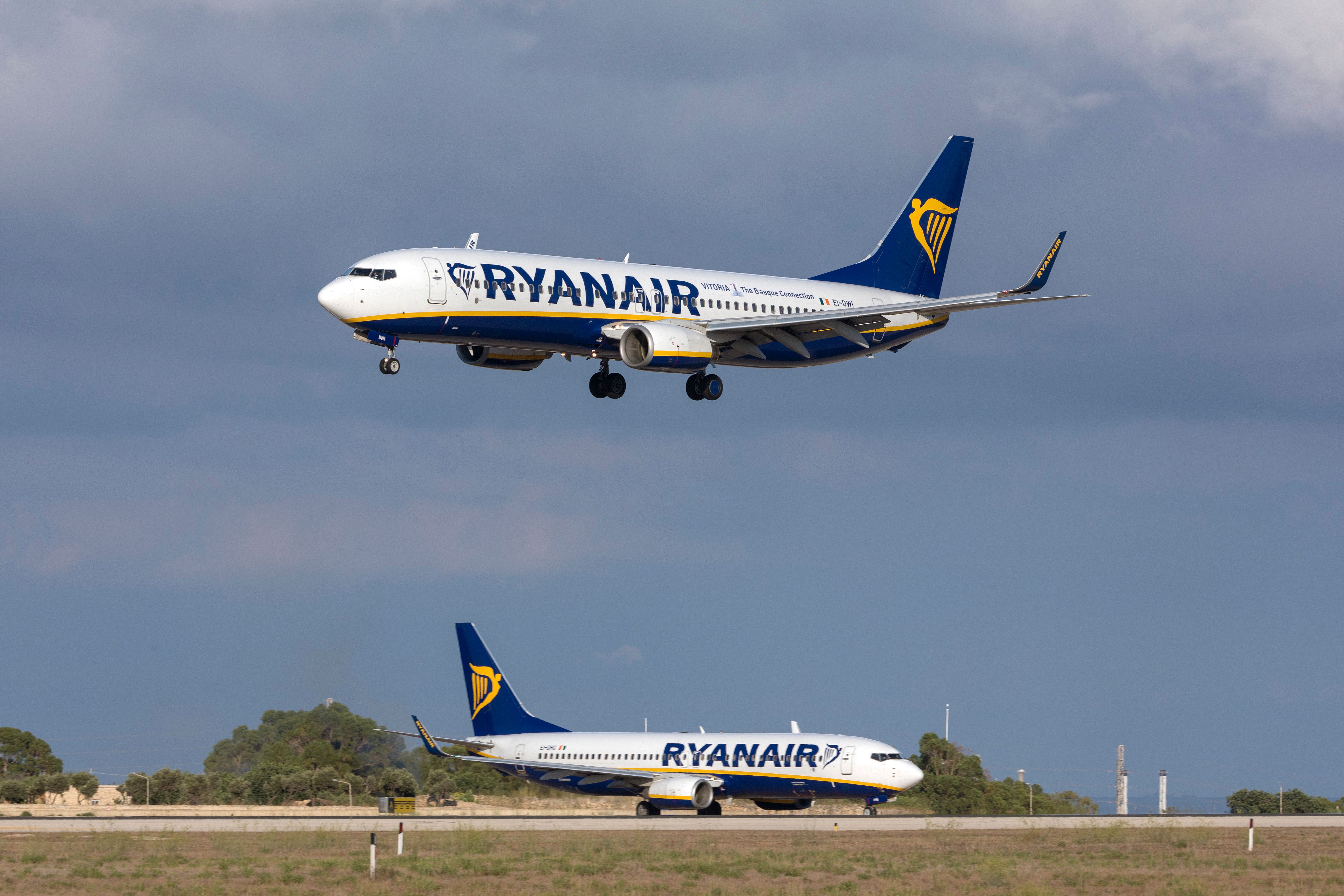
Photo: Ceri Breeze | Shutterstock
Ryanair now expects to receive 24 aircraft between January 2025 and June 2025 and another 14 between July 2025 and October 2025. Contractually, the low-cost carrier was supposed to take delivery of 25 and four 737 MAX 8-200s during those periods.
O’Leary also pointed out that it has no further 737 MAX 8-200 deliveries planned beyond its current order until at least H1 FY2027, with the airline expecting that regulators would certify the 737 MAX 10 in H2 FY2025, resulting in Ryanair’s first 737 MAX 10 deliveries in FY2027.
The Irish low-cost carrier ordered 300 737 MAX 10 in May 2023, with the deal being split between 150 firm and 150 optional purchases. At the time, the company detailed that it would receive its last 737 MAX 8-200 in FY2025 and have a two-year gap until 737 MAX 10 deliveries begin in FY2027.
Thus, its capital expenditures (CapEx) for the 737 MAX 10 should be funded through its internal cash flows, “although the Group will remain opportunistic in its fleet financing strategy.”
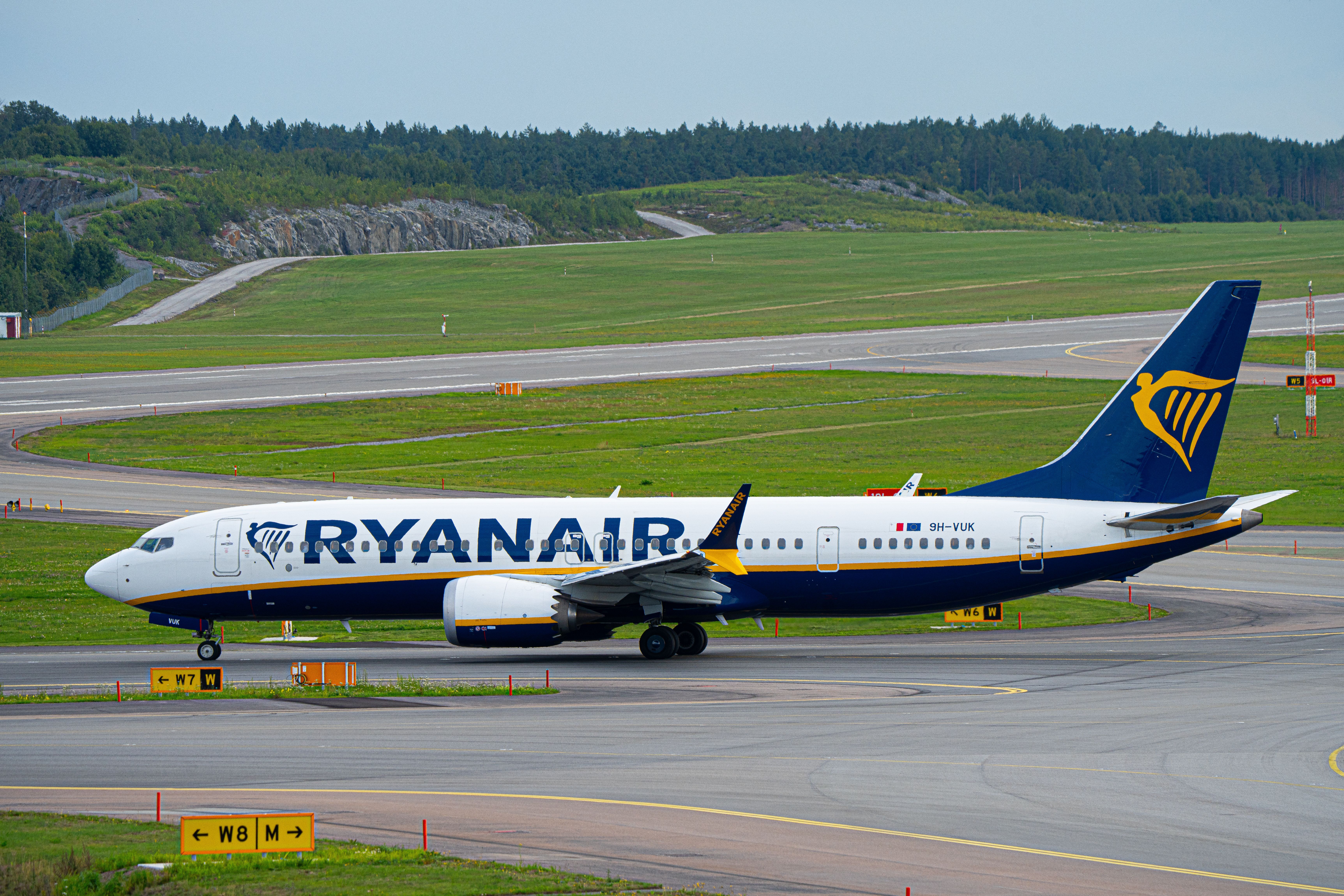
Photo: Lukas Souza | Simple Flying
At the end of H1 FY2025, Ryanair had a whopping 580 737-800 unencumbered aircraft on its balance sheet, meaning that these assets are debt-free and have much higher margins.

Related
Allegiant Joins Ryanair Warning Of Boeing 737 MAX Delays
Allegiant Air, Ryanair, and United Airlines are just a few of the airlines expecting Boeing 737 MAX delivery delays.
Fare decline moderating
Neil Sorahan, the chief financial officer (CFO) of Ryanair, stated that while the group still had zero visibility about Q4 FY2025, Ryanair should end FY2025 with between 198 million and 200 million passengers, with booking data suggesting that demand was strong and fare decline was moderating in Q3 FY2025.
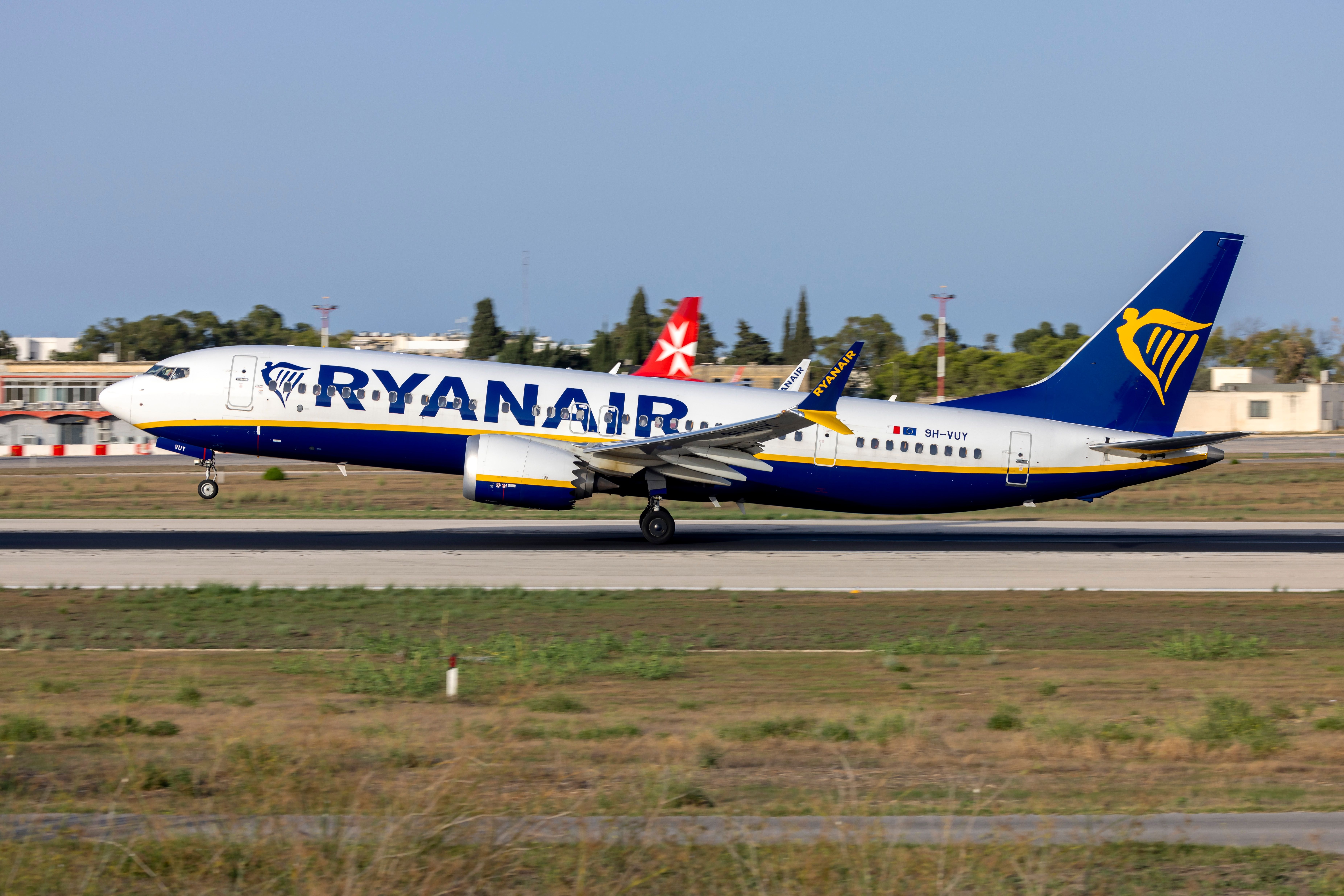
Photo: InsectWorld | Shutterstock
However, the CFO warned that this was predicated on Boeing and its delivery schedule, which could worsen in the light of the still-ongoing strike. Still, as a result, the CFO said that it was not practical to provide a net profit guidance for the time being.
“Boeing will continue to have an impact on our earnings, unfortunately, into next year with the delays continuing.”
Ryanair was still confident that despite its issues, the constrained short-haul capacity in Europe due to the Pratt & Whitney PW1100G engine problems, delivery backlogs at Airbus and Boeing, continuing airline consolidation, will result in the low-cost carrier reaching its goal of 300 million passengers over the next decade.
Related
Ryanair CEO: “We Will Wipe The Floor With Every Other Airline In Europe”
Ryanair aims to achieve significant growth in Europe.
