


The National Transportation Safety Board ( NTSB
), with the help of the United States Navy (USN), has recovered several parts of the Mitsubishi CRJ700 from the Potomac River after the aircraft experienced a mid-air collision with a US Army (USA) Sikorsky UH-60 Black Hawk on January 29.
Recovering parts
In an update to its crash investigation on February 3, the NTSB said that with the help of the USN Supervisor of Salvage, it had recovered the aft fuselage, right engine, and right pylon of the PSA Airlines
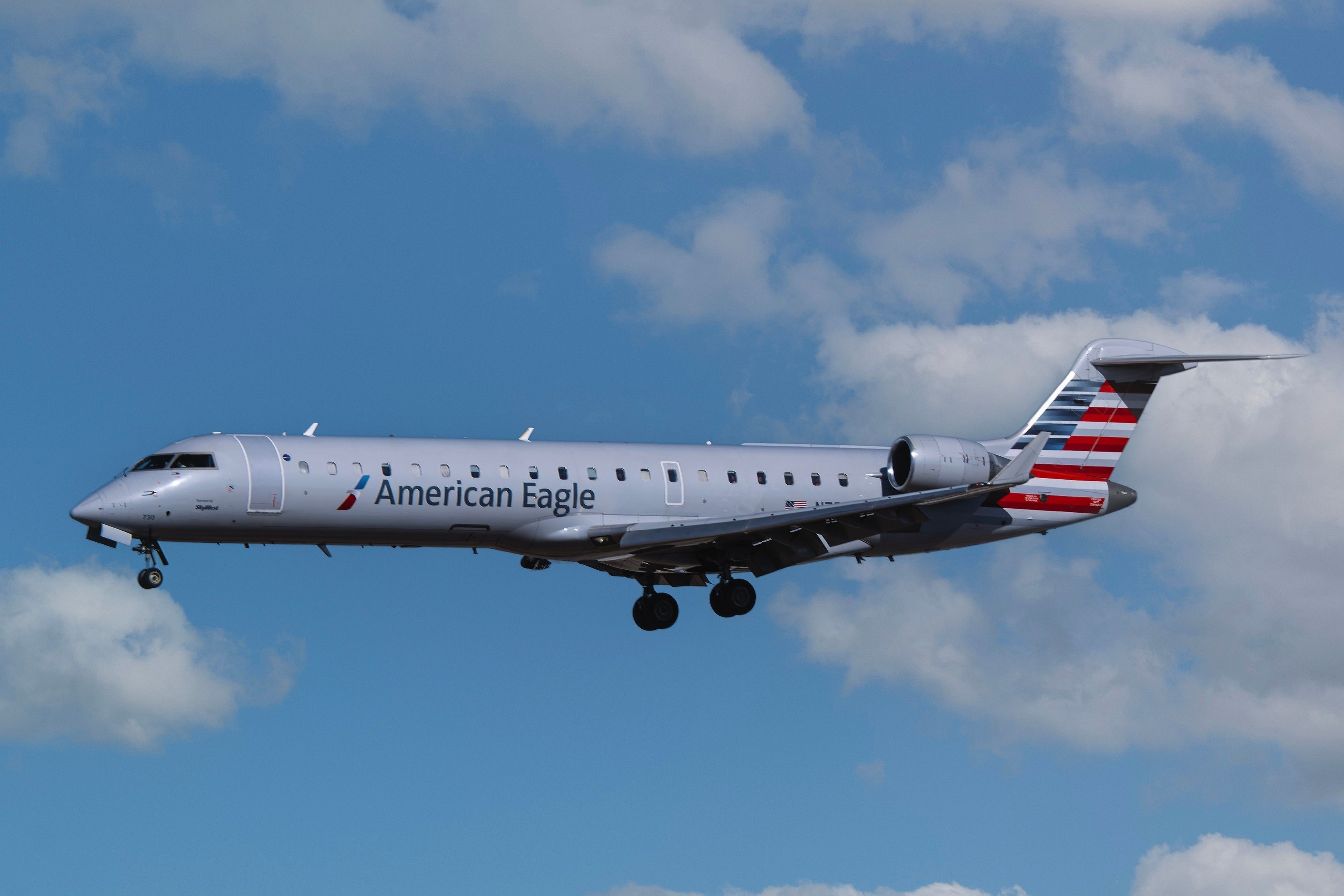
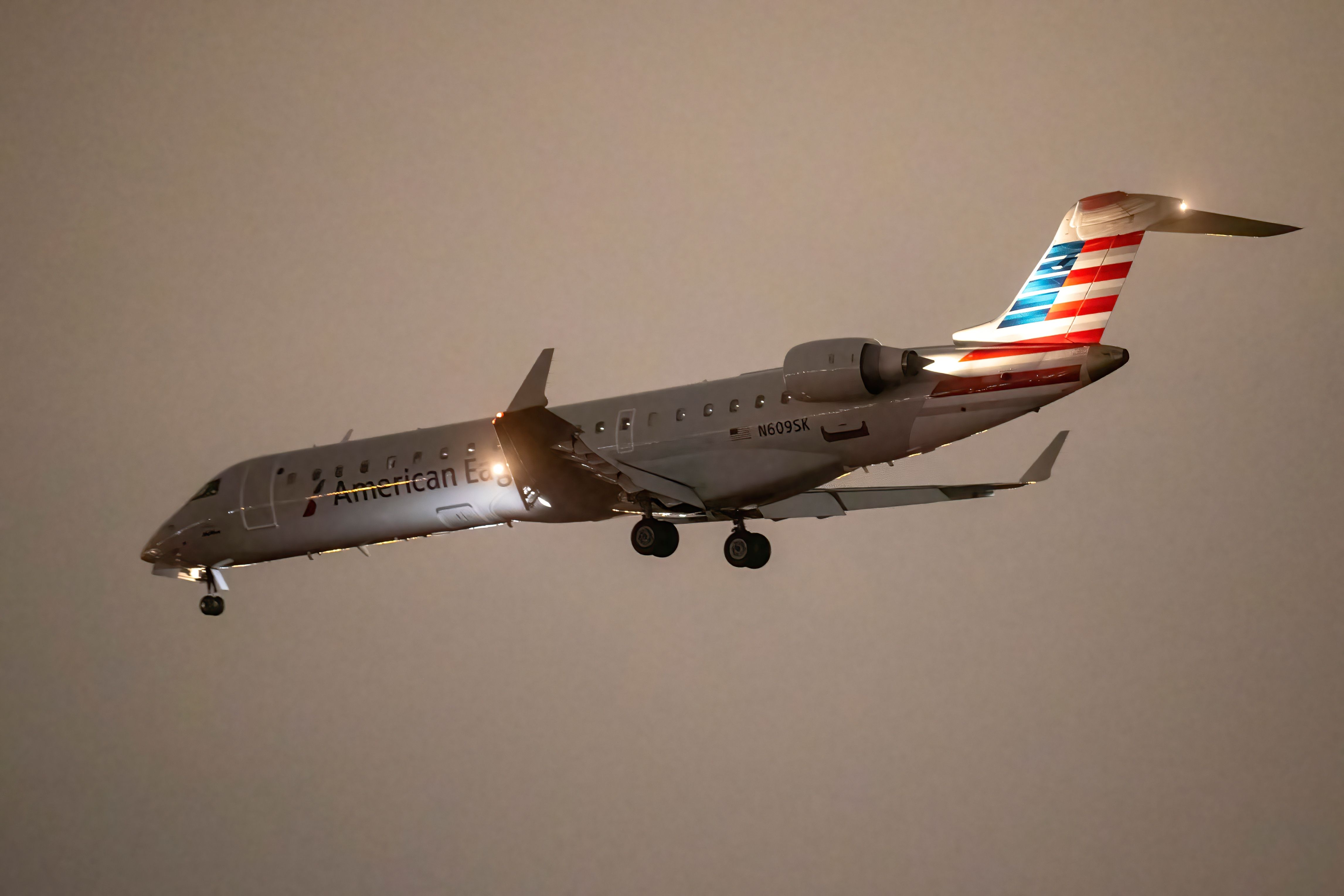
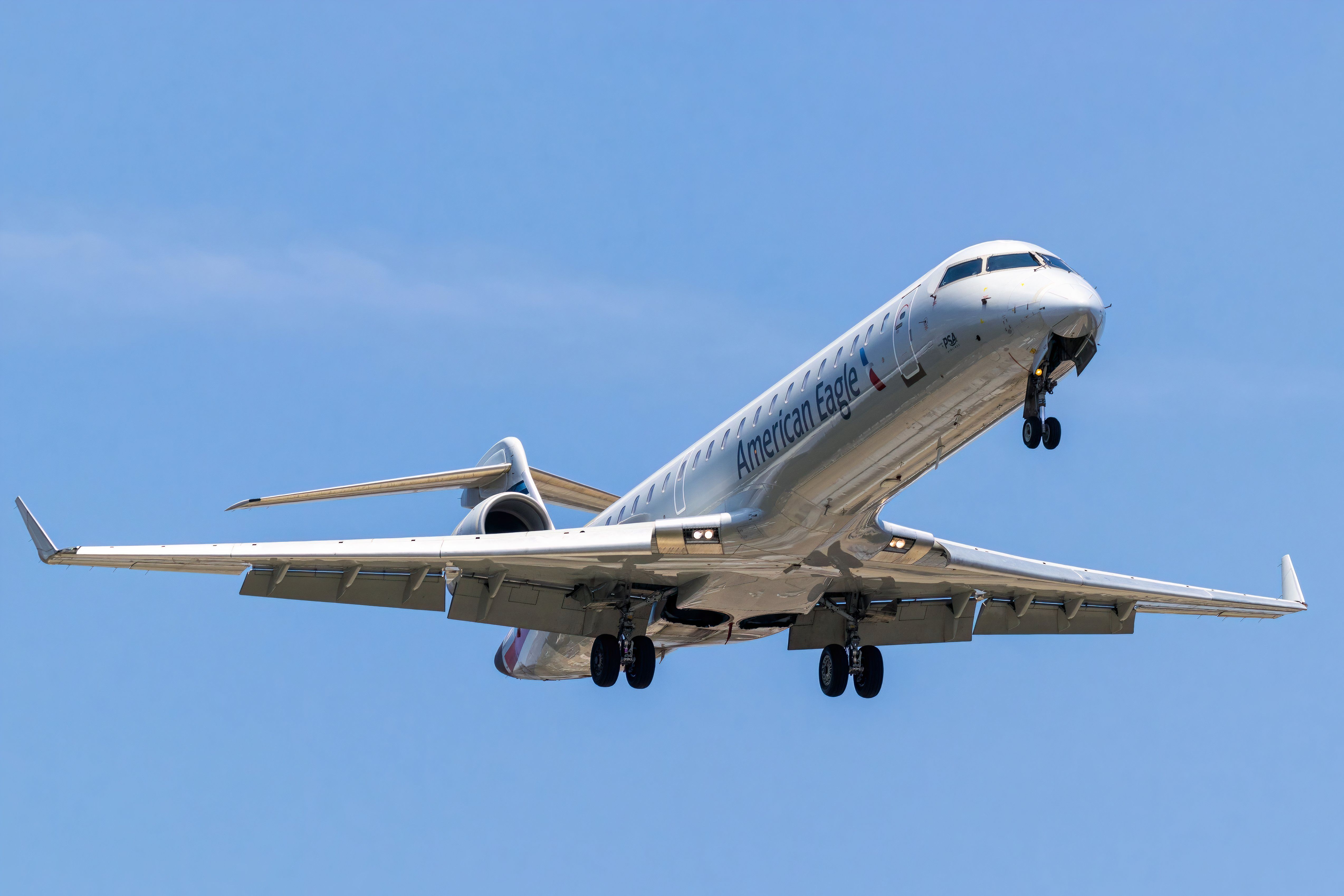
CRJ700, which was operating American Airlines Flight 5342
on behalf of American Eagle
.
The investigative body said that the recovery of the regional jet’s parts has continued, with the NTSB and the USN looking to retrieve the parts of the UH-60 Black Hawk after the recovery of the CRJ700
.
“Recovery of the Bombardier CRJ700 and Black Hawk will take several days.”
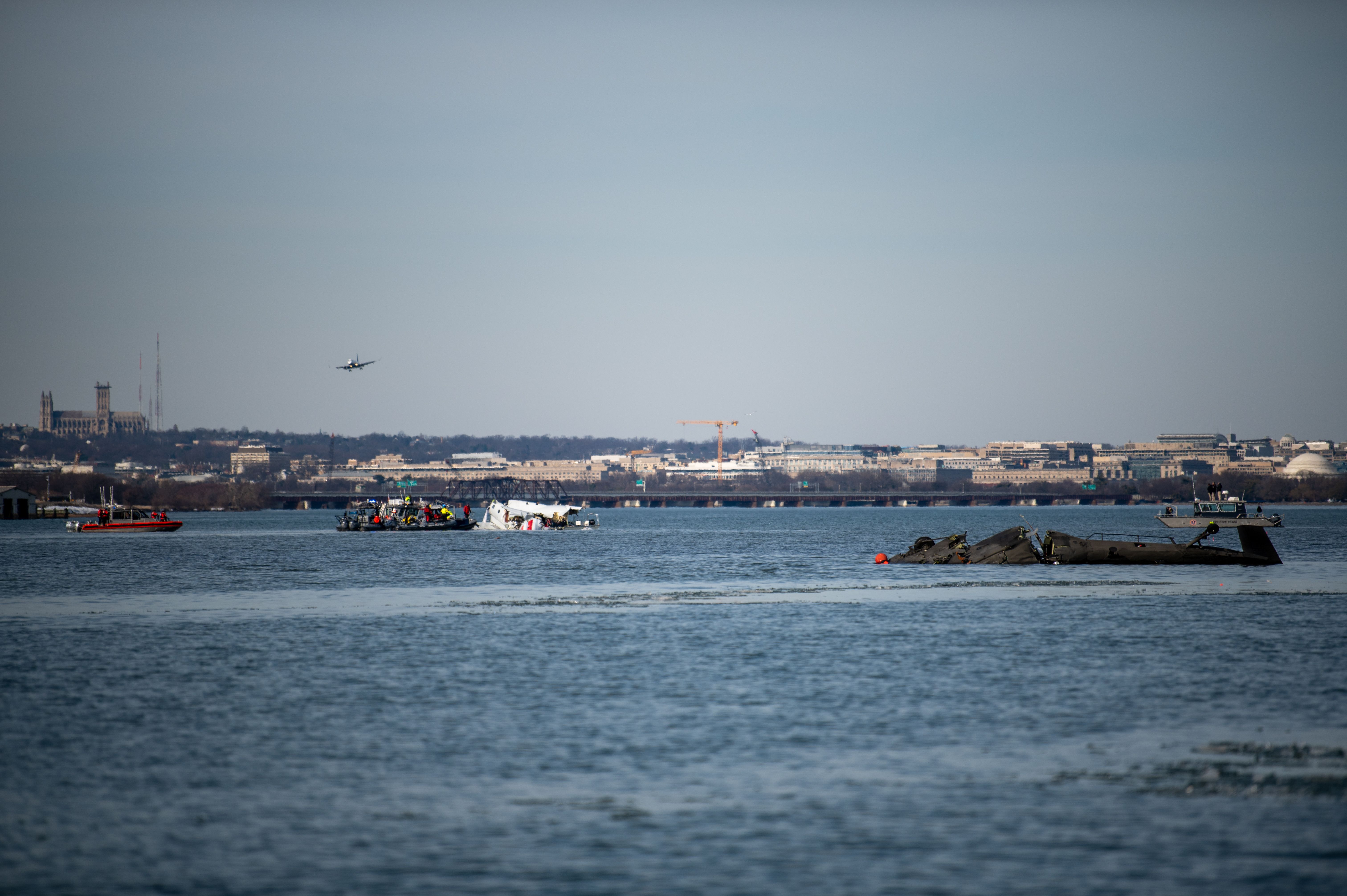
Photo: US Coast Guard
NTSB reiterated that a preliminary report about the incident, per the guidelines of the International Civil Aviation Organization (ICAO) Annex 13, is expected within 30 days from January 29. The report will contain factual information that the investigators gathered during the initial phase of the accident analysis, with the probable cause(s) being outlined in the final report, which could come between 12 and 24 months from the date of the event.
Related
The clips show the incident in greater detail than previous footage.
Obtaining flight logs
The NTSB added that it also obtained various logs related to the pilots of both aircraft, as well as maintenance records of the regional jet and the helicopter.
In addition to looking through the training, flight, and maintenance logs for the two aircraft and their flight crews, the NTSB’s human performance group has been building several days’ worth of history that includes their daily activities.
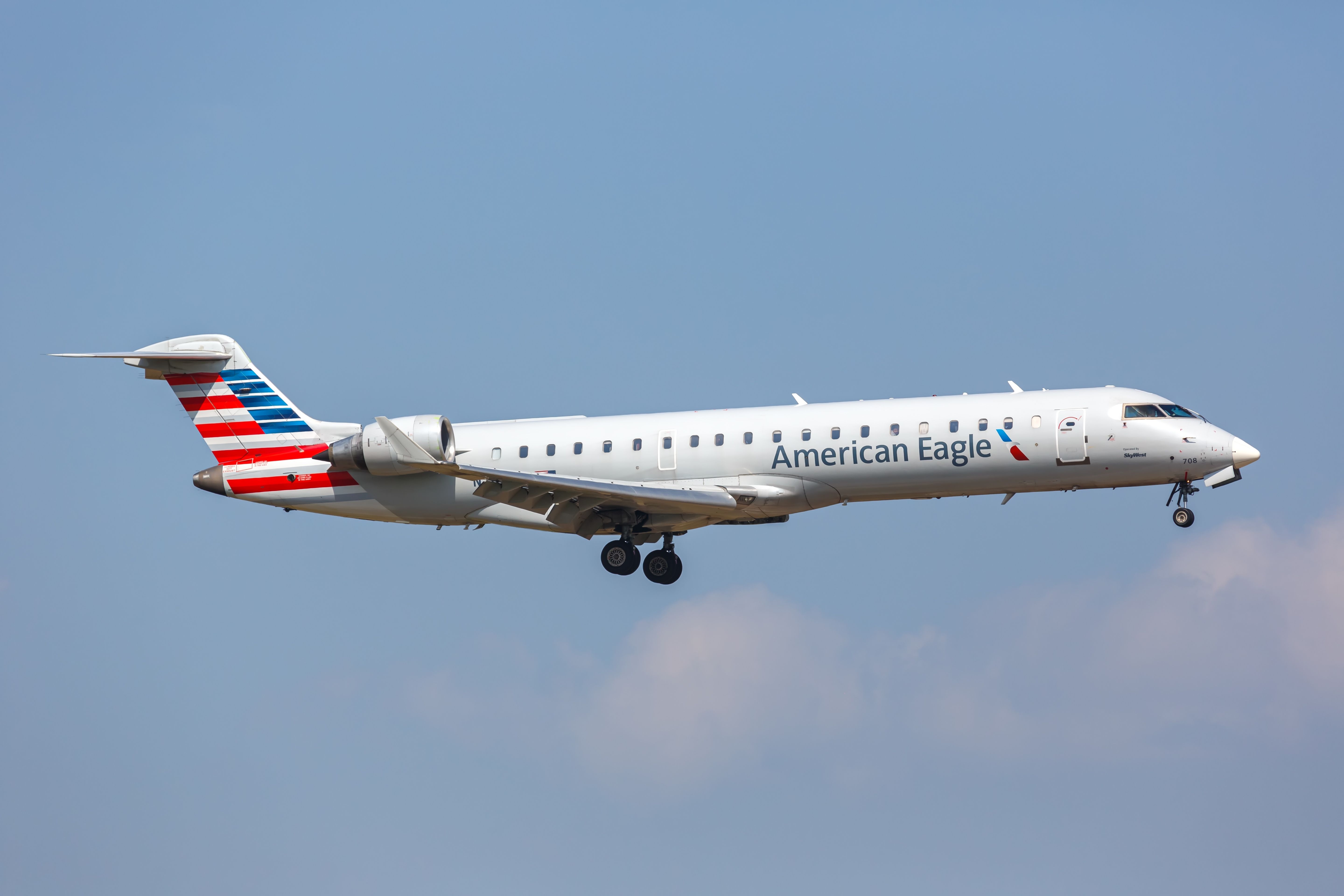
Photo: Markus Mainka | Shutterstock
The investigators noted that the air traffic control (ATC) group had already finished interviewing the five staffed positions in the Ronald Reagan Washington National Airport
(DCA) tower. While reports have outlined that staffing was irregular at the time of the incident, Todd Inman, a board member of the NTSB, said during a media briefing on January 30 that the investigators will not only be looking into staffing but also how many people were working at the tower, what job functions they had, and whether those functions were or were not combined at the time of the incident.
Related
Trump said that he based his claims that the crash could be blamed on diversity policies within the FAA on his “common sense.”
Synchronizing data
The NTSB concluded that investigators are currently working to synchronize the flight data recorder (FDR) and cockpit voice recorder (CVR) data from aircraft, ATC communications, and radar scope data to compile a detailed timeline.
“The flight data recorder for the Black Hawk did not have timestamps. Investigators will have to manually create timestamps, which requires additional time to validate.”
During a media briefing on February 1, Bryce Banning, the investigator in charge of the incident at the NTSB, clarified that preliminary data indicated that the ATC tower’s radar scope that was available to the controller showed that they may have seen the UH-60 Black Hawk at 200 feet (60.9 meters). However, this needs to be verified by the NTSB’s ATC group.
Meanwhile, the CRJ700’s altitude of around 325 ft (99 m) was determined after reviewing combined data from the Automatic Dependent Surveillance-Broadcast (ADS-B), FDR, and radar.
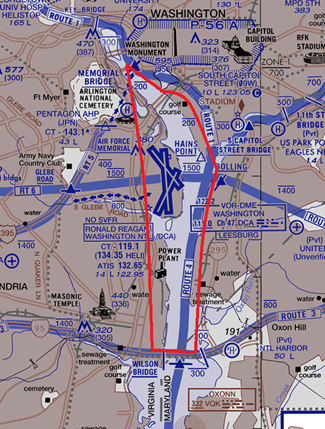
Photo: DOT
The Federal Aviation Administration ( FAA
) said that starting January 31, it will restrict helicopter traffic in the area over the Potomac River around Washington-National. The restrictions will remain in place until the NTSB releases the preliminary report following which the FAA will review whether the restrictions will remain in place.
Banning noted that the helicopter’s altitude data lacked fidelity. As a result, the NTSB was looking into that, but it was important to note that this is a complex investigation with a lot of pieces and that the NTSB was working hard to gather data to make sure the investigators understand why this accident happened, the official added.
The two aircraft collided late evening on January 29, just to the east of Washington-National. 67 people perished in the incident, including 60 passengers and four crew members onboard the CRJ700 and three flight crew members that were on the UH-60 Black Hawk after both aircraft plunged into the Potomac River following their mid-air collision.
Breaking: American Eagle CRJ700 Crashes In Potomac River After Helicopter Collision
The regional jet was just seconds from touching down at Ronald Reagan Washington National Airport.
