


A small aircraft landing in Spain’s Canary Islands
yesterday caused more than twenty flights to be diverted after it accidentally obstructed one of the busiest airports in the region. Spanish officials confirmed the aircraft has now been removed from the runway at the Tenerife South Airport (TFS), and airport operations are back to normal.
A little incident
The incident took place around 18:00 on Thursday, January 2nd, 2025. According to the Canarian Weekly, a private jet reportedly encountered technical difficulties shortly after landing that left it immobilized on the runway. While the cause of the technical issue was not made public, initial reports suggest that it could be related to a landing gear malfunction.
The airport operations team was quickly dispatched to assess the situation but was unable to immediately remove or tow away the disabled aircraft due to its position on the runway and the need for specialized equipment. This left the runway unusable, causing significant delays as flights could not land or depart.
The blockage took around an hour and a half to remove. In the meantime, flights already inbound for the airport were forced to divert to other nearby airports, primarily causing delays for flights from the United Kingdom. When reached for comment, a spokesperson for the airport’s operator, ANEA, confirmed the runway is now operational:
“Yesterday, at around 6:00 p.m., a small aircraft blocked the runway at the Tenerife South Airport. At around 7:30 p.m. the aircraft was removed and the runway became operational again.
“There were 22 flights diverted to other Canarian airports.”
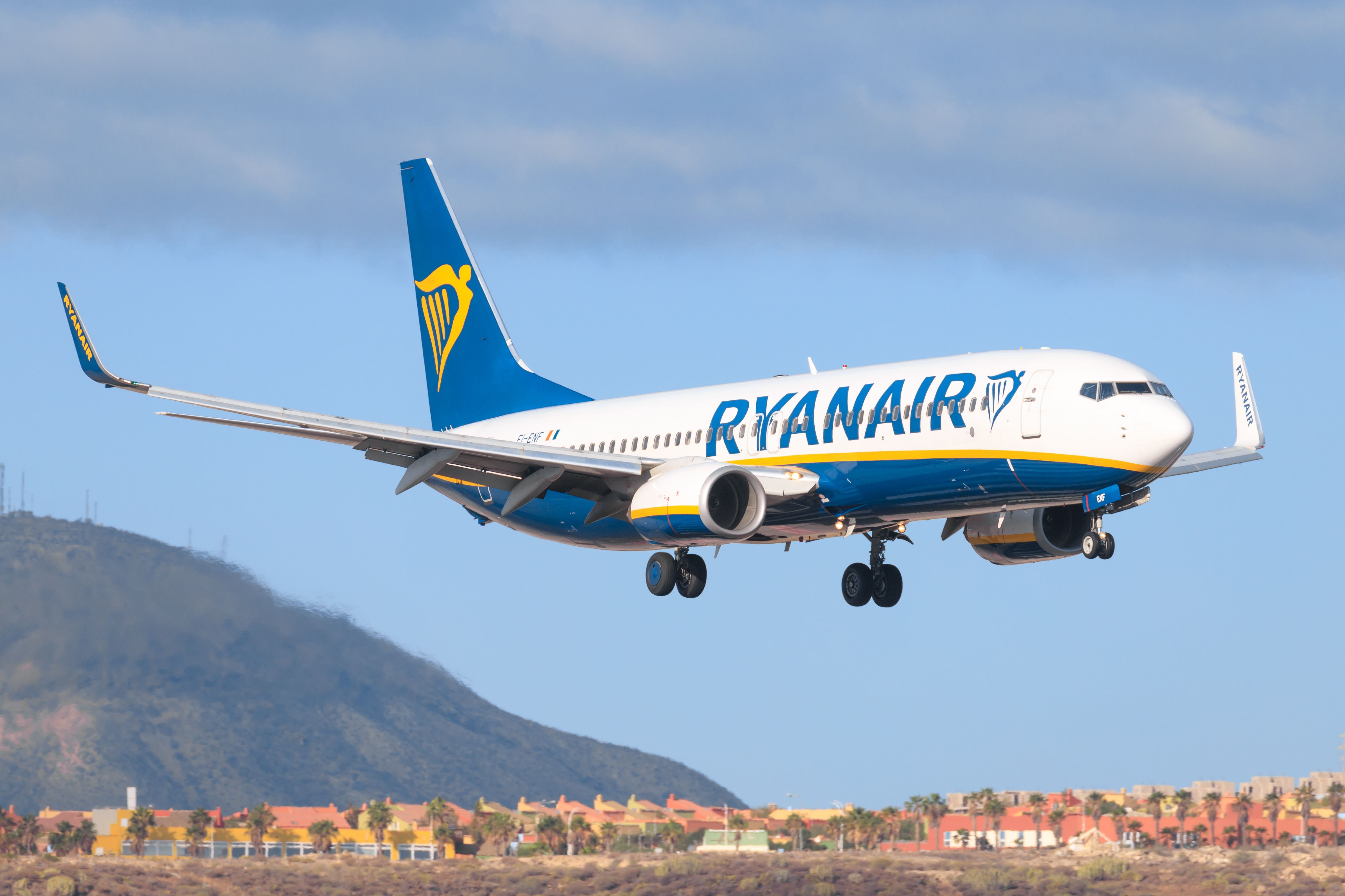
Photo: Mike Fuchslocher | Shutterstock
Also known as Reina Sofía Airport, Tenerife South is the second busiest in the Canary Islands and the larger of the two commercial airports serving the island of Tenerife. It handled 1,291,881 passengers in November, the last month with publicly available data, up 9.7% year over year.
Where did the passengers go?
The majority of the affected flights were diverted to other islands in the archipelago. According to local air traffic controllers, a significant amount of work was done at the Canary Islands control center to manage the diversions as the island’s other airport, Tenerife North/Ciudad de La Laguna Airport (TFN), was already at capacity.
Based on flight tracking data from Flightradar24, the majority of the 22 affected flights diverted to Gran Canaria Airport
(LPA), the region’s busiest. Fourteen flights ended up in Gran Canaria, including services operated by easyJet (Birmingham, Bristol, Liverpool, London Gatwick, and Manchester), Ryanair (Bristol, London Stansted, Milan Malpensa, and Santiago de Compostela), Wizz Air (Budapest and Vienna), and an Enter Air service to Wroclaw, Poland.
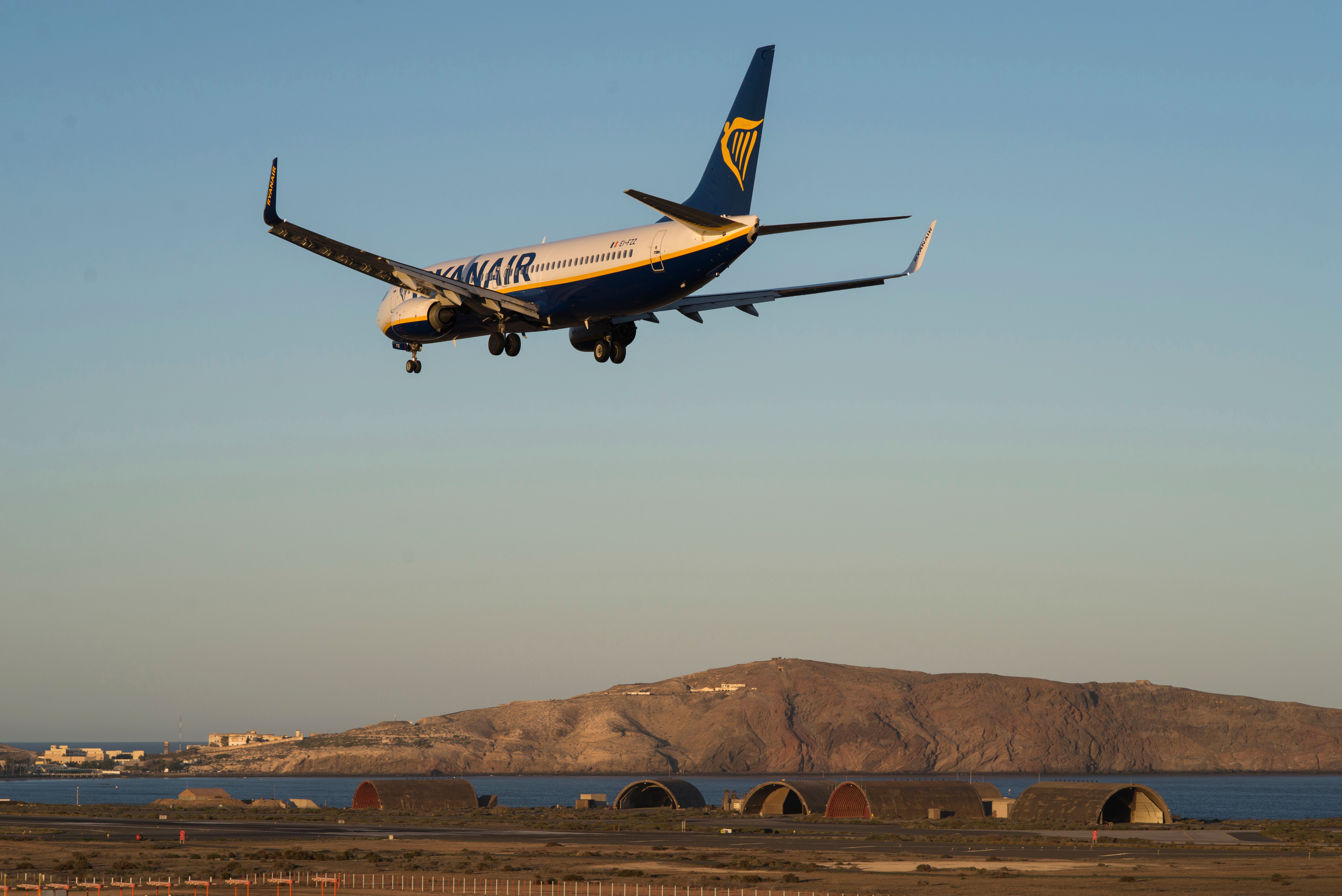
Photo: J-project | Shutterstock
Five aircraft ended up at Tenerife North Airport, around an hour’s drive from Tenerife South. A Euro Link Cessna 550 Citation Bravo from Seville was the first to divert. It was followed by Ryanair flights from Birmingham and Manchester, the Aer Lingus flight from Dublin, and a TUI service from Norwich in the United Kingdom.
A Transavia
Airbus A321 from Amsterdam was diverted to the nearby island of Fuerteventura, where it landed at El Matorral Airport (FUE). Meanwhile, the Jet2 service from Manchester ended up on the island of Lanzarote (ACE).

Related
Examined: The Airlines Operating Transatlantic Flights Between Spain & The US
For summer 2024, six airlines offer non-stop flights between the USA and Spain.
The majority of flights were completed once the runway was reopened late yesterday evening. Ferry flights from the diversionary airports began around 19:30 and were completed within several hours, although delays continued well into the night.
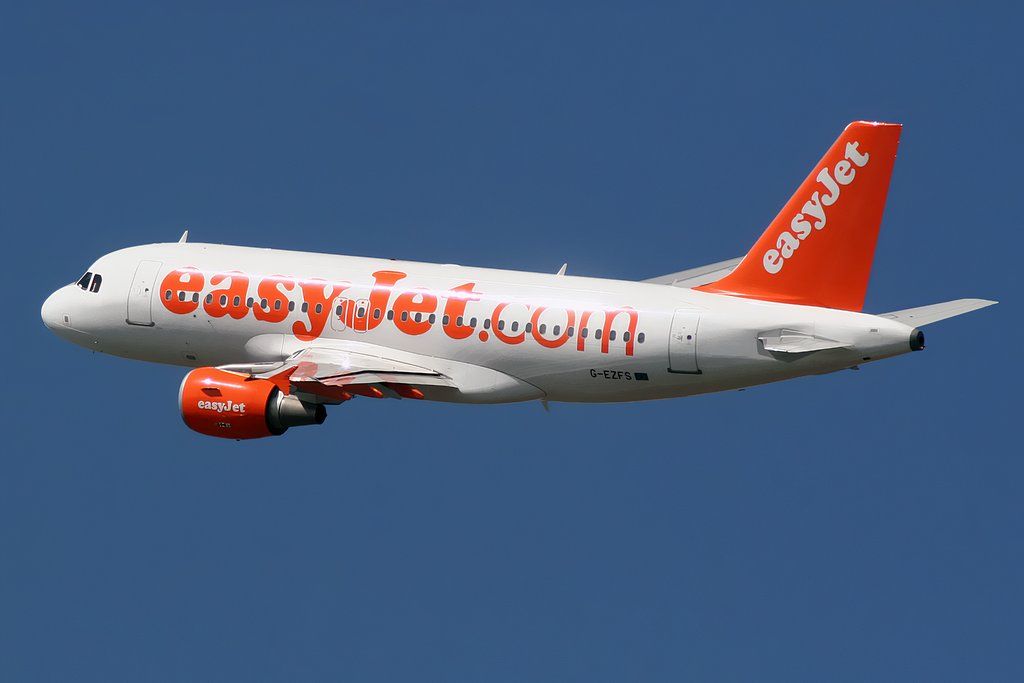
The most significant disruption was experienced by an easyJet
flight from Edinburgh. The flight was already delayed in departing, which resulted in the crew exceeding their maximum permitted working hours for the return flight. Due to the limited hotel accommodation in Tenerife, easyJet operated the flight via Madrid, where it could provide customers and crew with hotel accommodation and meals before continuing the flight today.
