


Spirit Airlines
has announced that it secured a $300 million post-bankruptcy credit facility, securing the commitment from certain debtholders who pre-dated its Chapter 11 bankruptcy process.
$300 million facility
On January 14, 2025, Spirit Airlines signed a commitment letter for a $300 million senior secured revolving credit facility. Certain pre-bankruptcy debtholders signed the commitment to provide additional liquidity to the airline.
The facility is split between a $275 million revolving credit loan and letters of credit and a $25 million uncommitted incremental revolving credit facility, according to the United States Securities and Exchange Commission (SEC) filing.
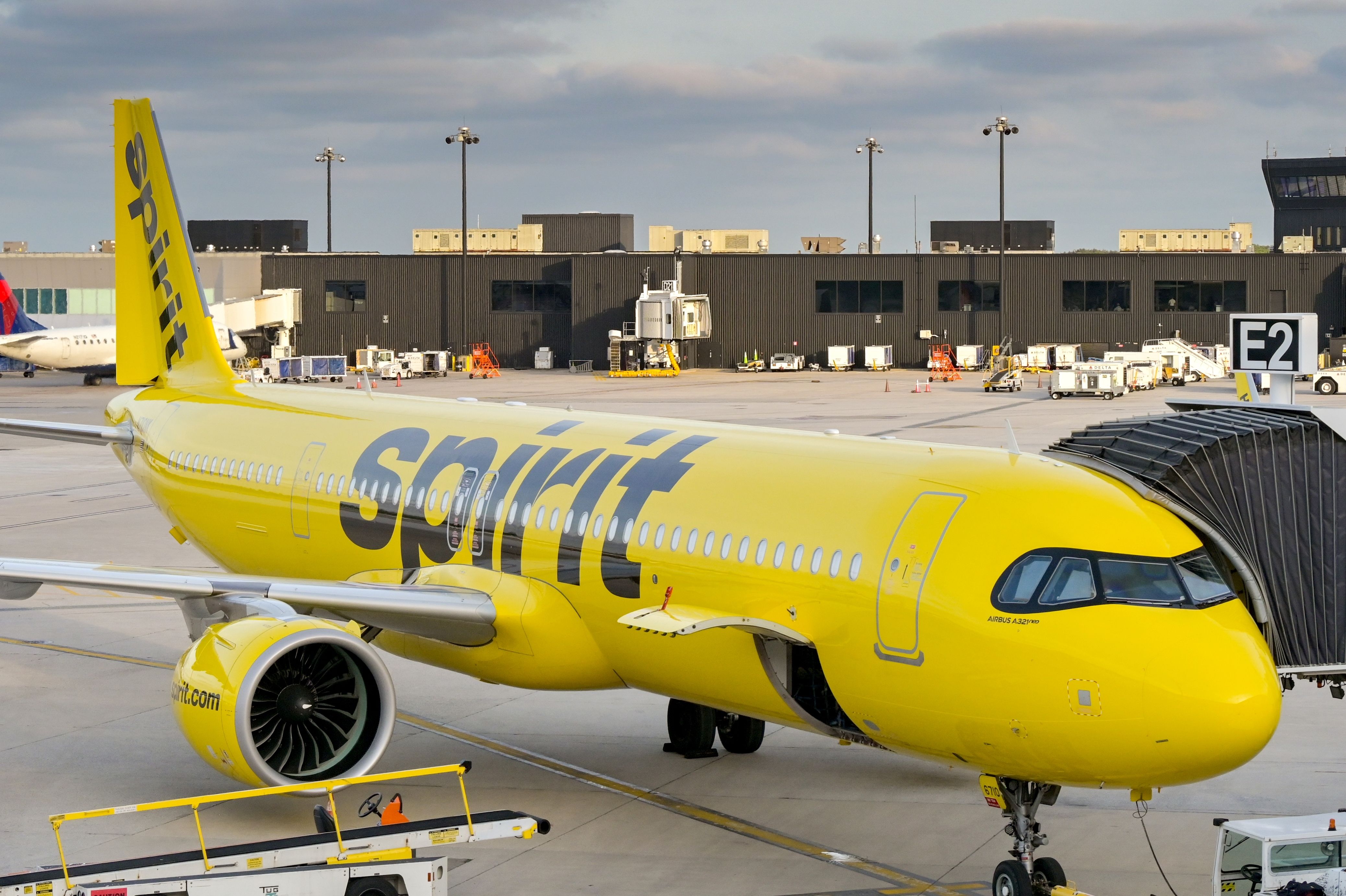
Photo: Ceri Breeze | Shutterstock
However, the $300 million will become available once the company officially emerges from Chapter 11 bankruptcy proceedings and meets other conditions. Spirit Airlines will use the facility for working capital and other general corporate needs of the company and its subsidiaries after closing the bankruptcy case.
“Subject to certain exceptions and conditions, the Company will be obligated to prepay or offer to prepay, as the case may be, all or a portion of the obligations under the Exit Revolving Credit Facility with the net cash proceeds of certain asset sales, with cash from its balance sheet in order to remain in compliance with a collateral coverage ratio and concentration limits and in connection with a change of control.”
Spirit Airlines pointed out that the facility will bear interest at a variable rate equal to its choice of an adjusted term Secured Overnight Financing Rate (SOFR) plus 3.25% per year or alternate base rate plus 2.25% annually.
Related
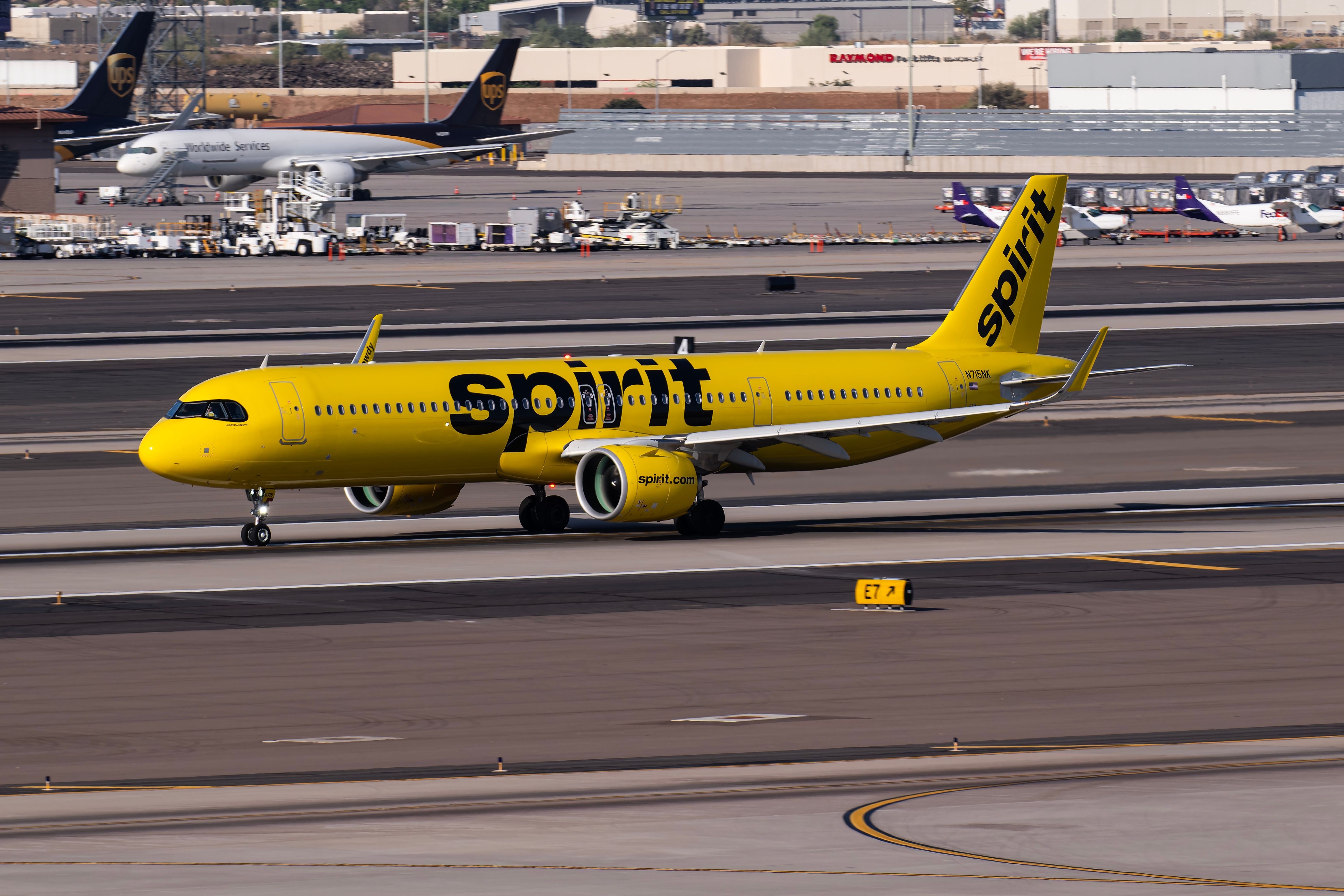
Spirit Airlines Files For Chapter 11 Bankruptcy Protection
Spirit Airlines assured its passengers that its operations will continue during the process.
Selling assets
Before the carrier announced that it entered into a voluntary Chapter 11 process, Spirit Airlines signed an agreement with GA Telesis to sell 23 Airbus A320ceo and A321ceo aircraft to the US-based asset manager for $519 million. Of that, $225 million would be added to the carrier’s liquidity reserves.
To obtain the facility, Spirit Airlines pledged its New York LaGuardia Airport
(LGA) slots, at least 14 aircraft engines, and eligible spare parts, which are defined as ‘core collateral.’ Meanwhile, eligible collateral includes eligible aircraft, engines, spare parts, slots/takeoff rights at New York-LaGuardia and Ronald Reagan Washington National Airport
(DCA), cash or cash equivalents, flight simulators, ground support equipment, or real estate assets.
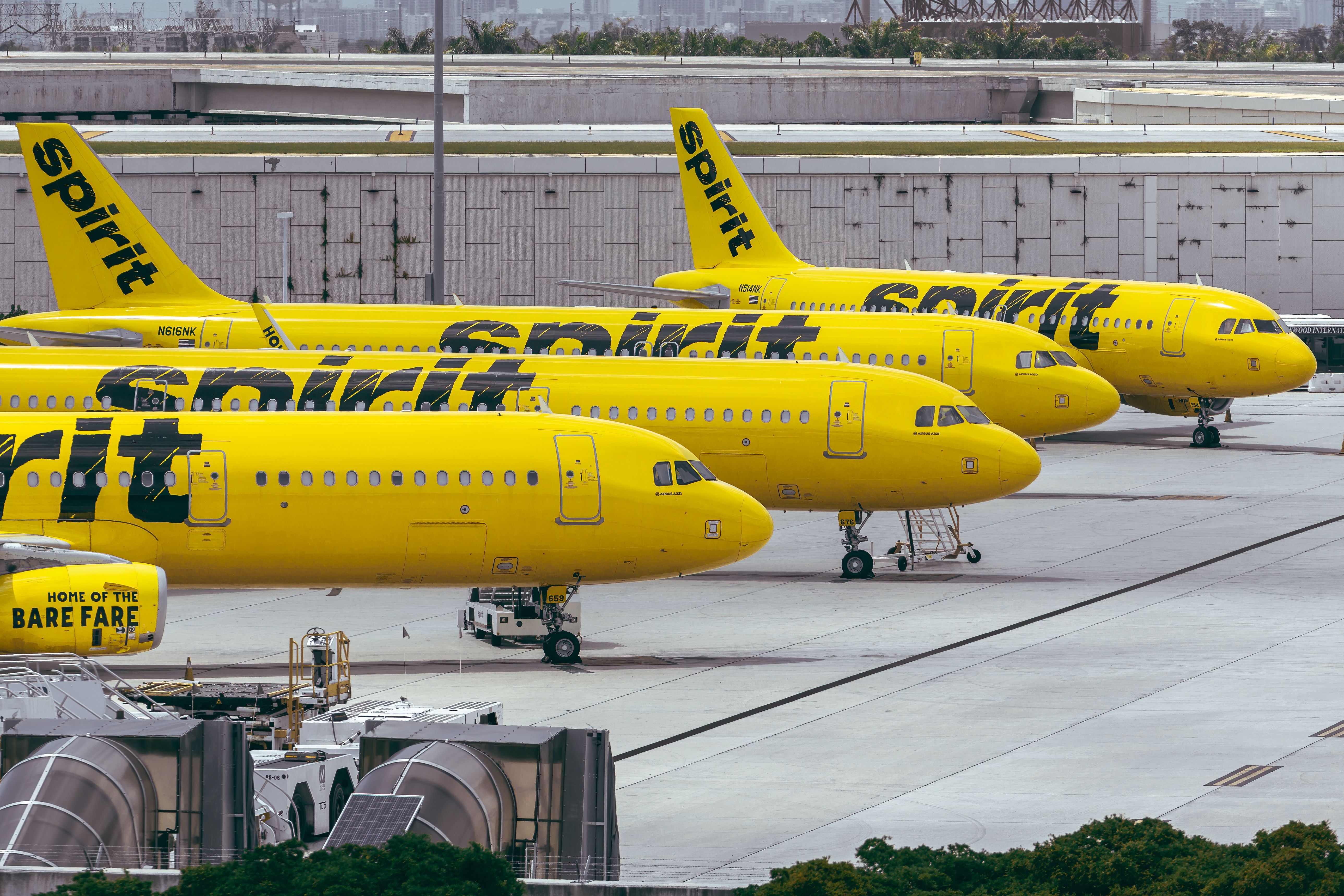
Photo: YES Market Media | Shutterstock
Eligible aircraft include Airbus A319, A320ceo/A321ceo (older or younger than 8 years, with different advance rates), and A320neo
/A321neo aircraft. The value of its collateral aircraft would have to be appraised within 90 days.
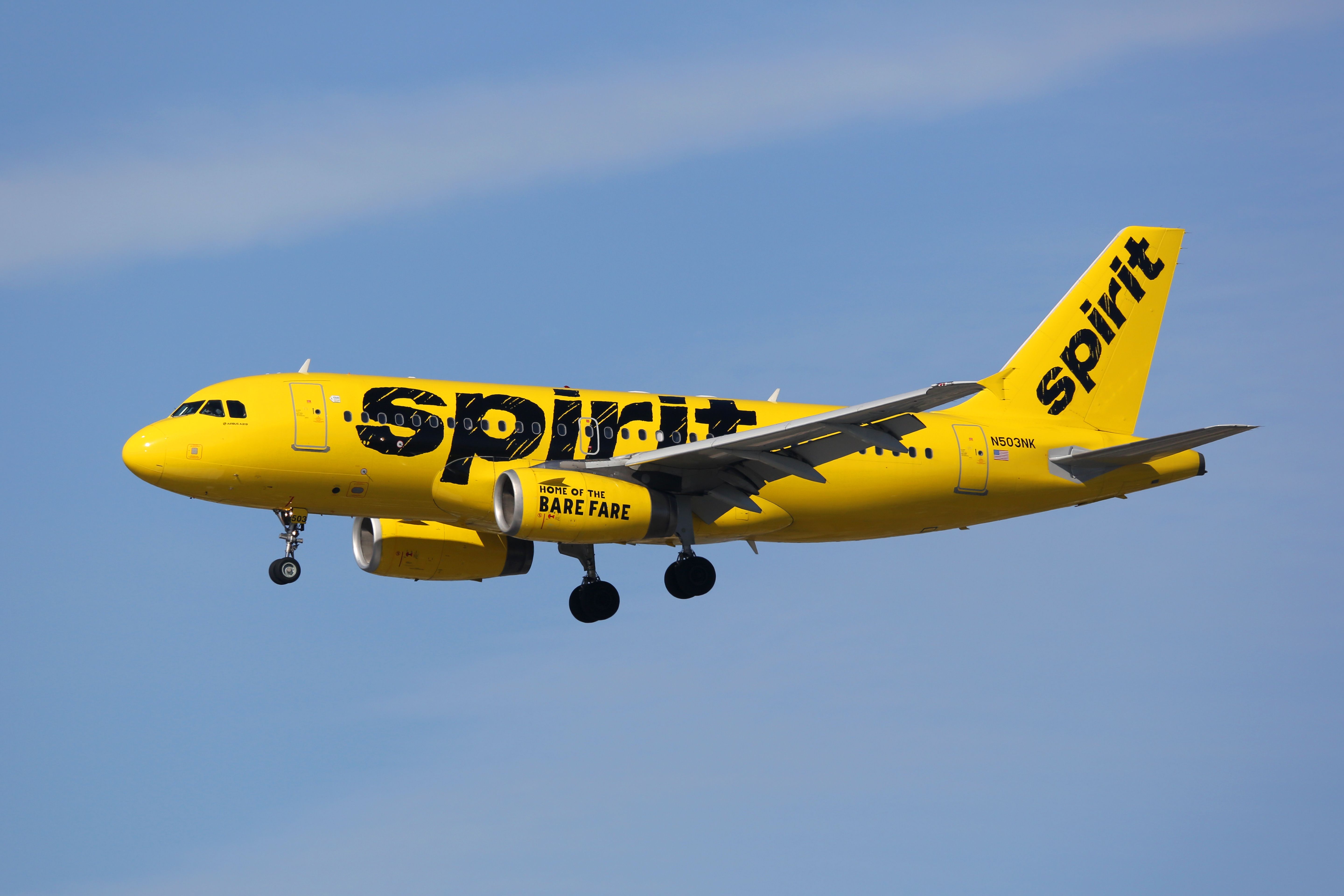
While Spirit Airlines has plenty of A320ceo, A321ceo, A320neo, and A321neos, it has sold off and retired its A319s
. The last two A319s left the airline’s fleet in early January, with the pair having been leased from Carlyle Aviation Partners.
Related
Spirit Airlines Retires Its Last Airbus A319
Spirit Airlines’ last A319s were leased from Carlyle, a US-based aircraft lessor.
Liquidity concerns
The facility also has liquidity-related conditions, including that Spirit Airlines’ liquidity cannot be less than $500 million at the end of a business day, no more than $300 million of which shall be undrawn amounts from the subject credit facility.
Furthermore, conditions that precede the closing of the agreement include the company having to have liquidity of at least $400 million, excluding undrawn amounts from the facility.
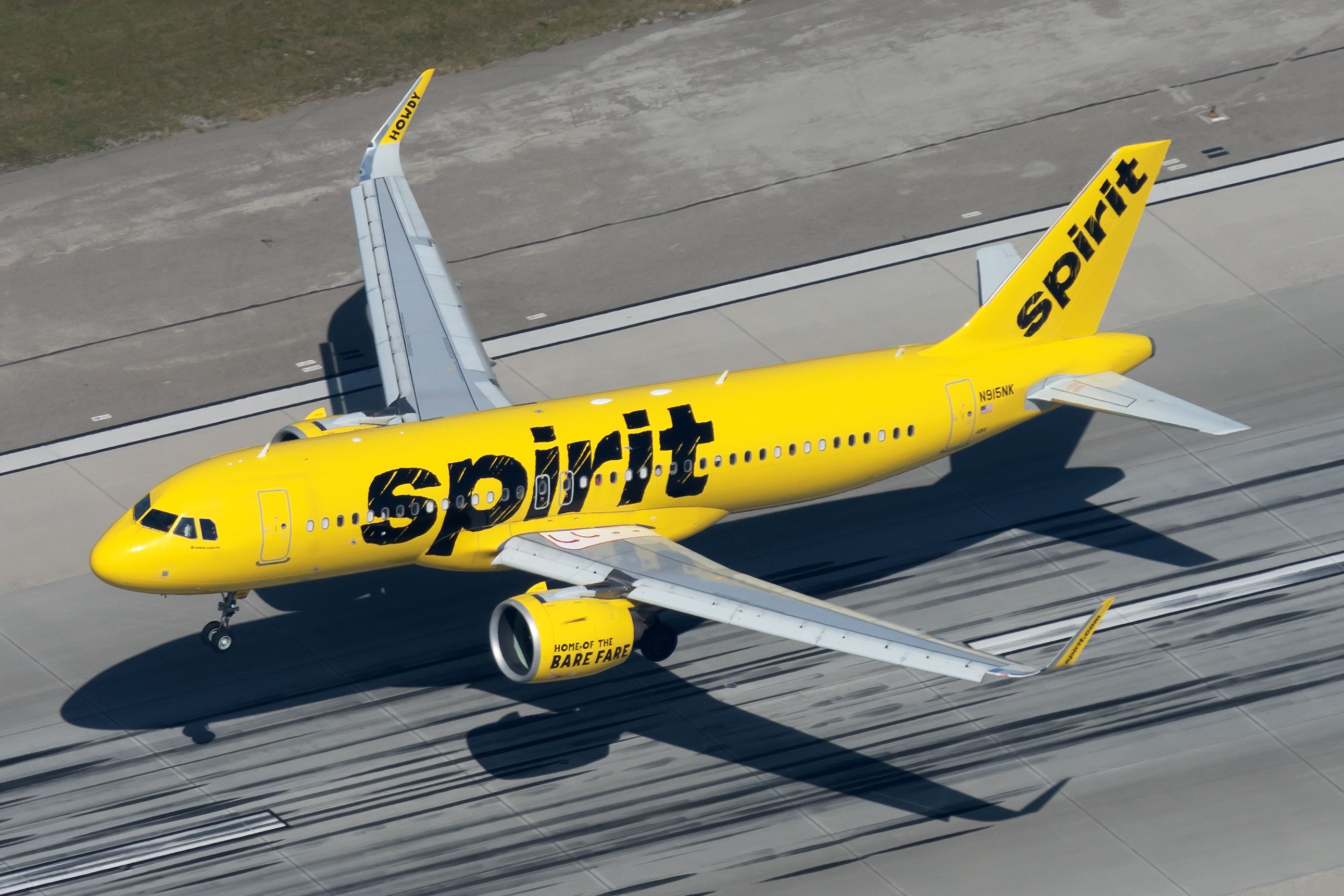
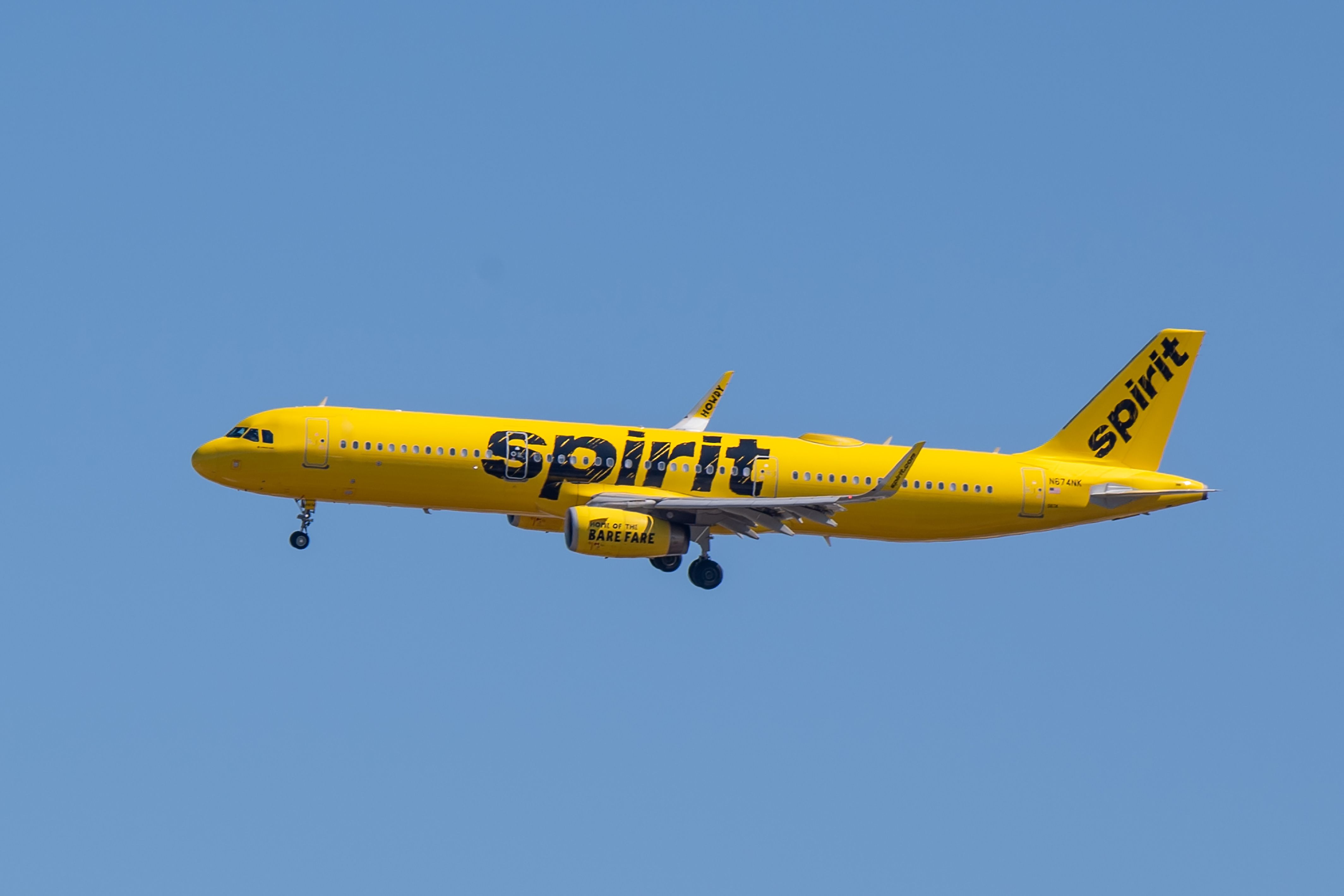
Photo: Vincenzo Pace | Simple Flying
When Spirit Airlines filed for Chapter 11 bankruptcy on November 18, 2024, as later revealed in a quarterly SEC filing on November 25, 2024, it ended the quarter with a net loss of $308.2 million and cash, cash equivalents, and restricted cash of $593.6 million.
However, when it began voluntary Chapter 11 proceedings, it did so with the support of its debtors in a restructuring support agreement. Following its bankruptcy, it aims to restructure its business model and become more of an up-market airline catering to passengers demanding more premium in-flight experiences.
Related
Spirit Airlines’ Plans To Adapt To New Premium Leisure Preference Post-COVID
Spirit Airlines will aim to become an airline of choice for more upmarket segments of passengers.
