


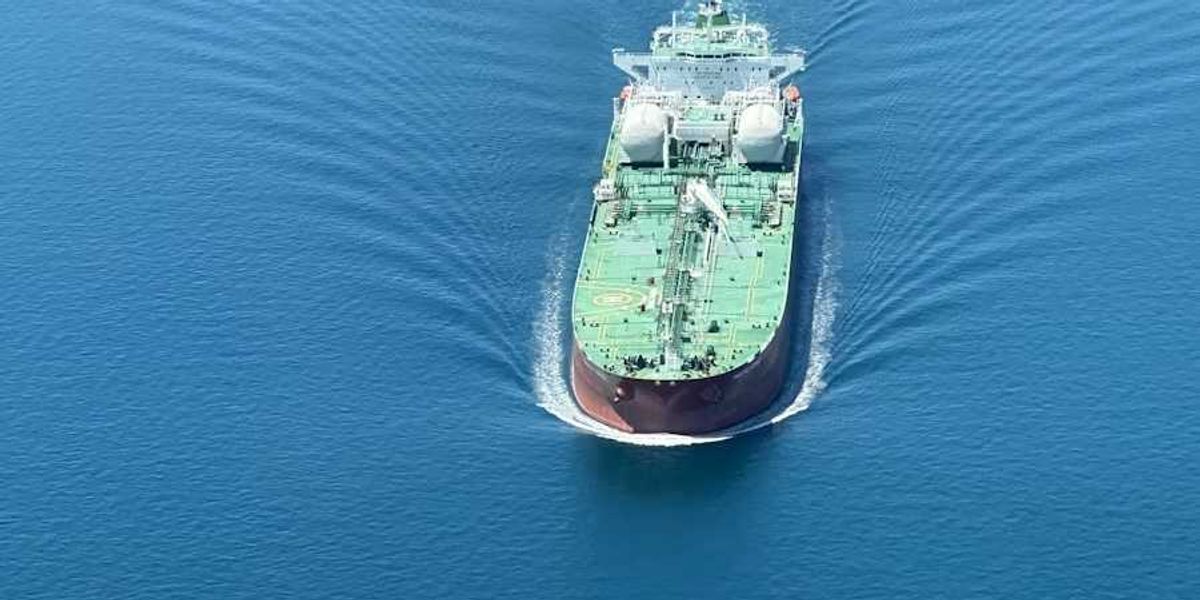
Following the Trump Administration’s move on Tuesday to resume bombing Iran after an interim “memorandum of understanding,” freight traffic through the Strait of Hormuz is effectively back to pre-ceasefire status, analysts said.
Hostilities resumed this week, with Iran striking vessels transiting without its permission and the U.S. resuming its blockade of Iranian ports, according to a report from Freightos. The fighting continues a war begun on February 28 when the U.S. and Israel launched a bombing campaign.
The ramifications for freight markets are familiar, according to Judah Levine, Freightos’ Head of Research: containers trying to get in and out of the Gulf will continue relying on the longer, congested, and very expensive alternative regional ports and landbridges set up early on in the war.
For the overall container market, the fragile ceasefire had led some carriers to reimplement “cautious steps” back toward the Red Sea. A full return would likely free up enough capacity to put downward pressure on rates globally, but recent events could mean these shifts will be reversed again.
And the broadest impact of the Hormuz closure will be felt through fuel costs, the report said. The June/July increase in Hormuz traffic helped push oil prices back down to their pre-war baseline, but the renewed closure has quickly pushed oil prices up 10% and back to mid-June levels, with bunker prices up 5%.
A similar assessment came from the logistics software provider Locus. “The renewed blockade in the Strait of Hormuz is already translating into higher energy, fuel, and logistics costs for retailers. The price of Brent crude has surged this week, and these shocks tend to move quickly through freight via fuel surcharges, making near-term cost relief unlikely,” Locus CETO Nishith Rastogi said in a statement.
“Sustained disruption in the strait will drive up inbound logistics costs and introduce fresh delays as carriers reroute or pause shipments. For retailers, that means continued pressure on margins, alongside selective price increases and slower replenishment cycles for goods moving through the corridor,” Rastogi said.
