

Transport Canada Calls On Airbus A220 Operators To Upgrade Flight Control Software After Deficiencies Reported


Transport Canada (TC) has followed up on a 2022 emergency airworthiness directive (EAD) for Airbus A220 operators by mandating the installation of new primary flight control computer (PFCC) software.
Erroneous messages
Providing background about the newest directive, TC said that multiple in-service reports associated with PFCC software errors led to “nuisance messages” on the engine-indicating and crew-alerting system (EICAS), with the Canadian authority pinning them on erroneous transmissions from the remote electronic unit (REU).
“Investigations also indicated design deficiencies in the PFCC software such as an incorrectly implemented built-in test which is unable to detect a failed REU internal hold-up capacitor or non-implemented self-tests and monitoring mechanisms to prevent erroneous computations to be transmitted to consumers.”
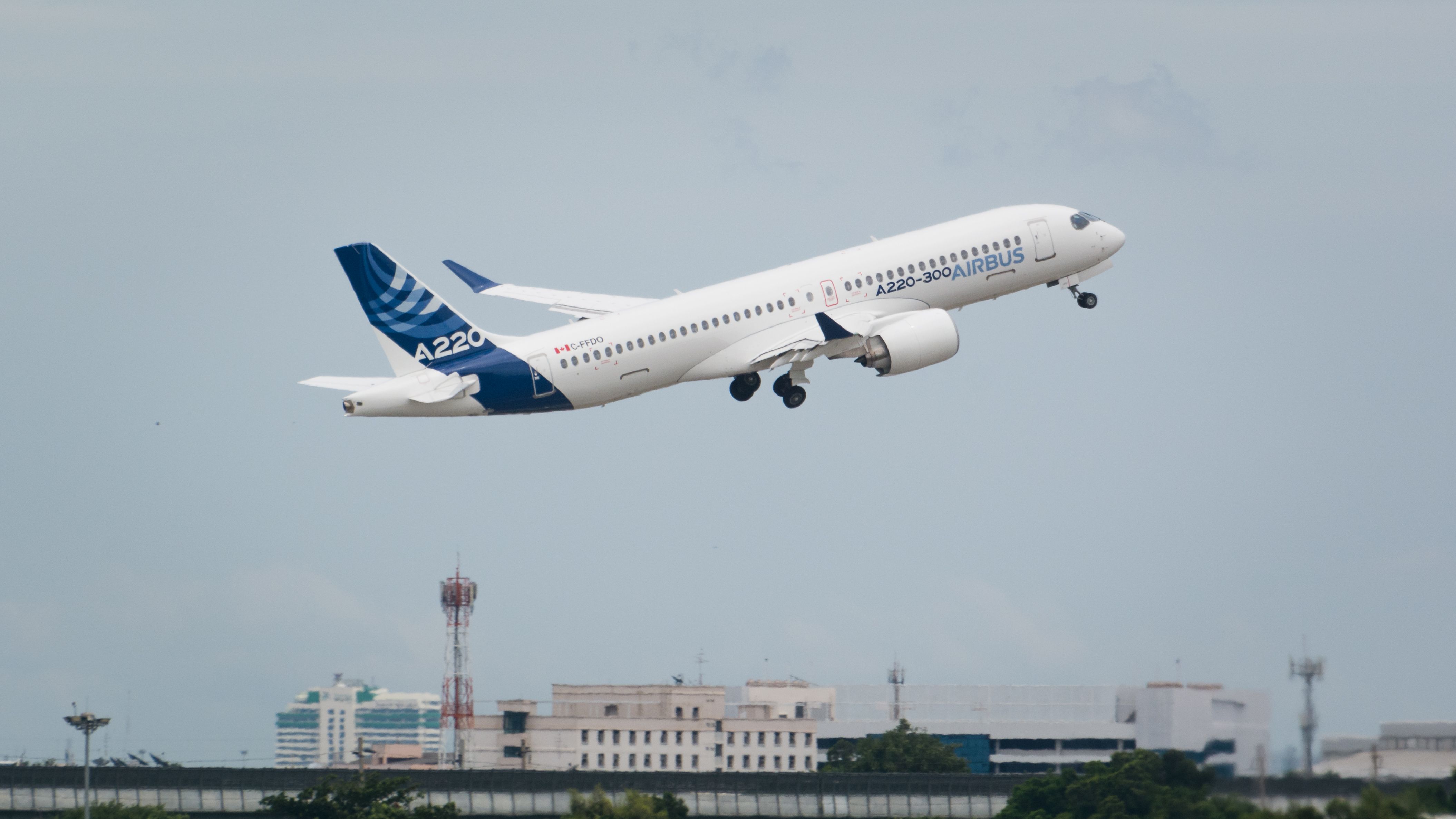
Photo: Nattanon Tavonthammarit | Shutterstock
Other events indicated a lack of software robustness, which could not prevent an unannounced deployment of ground spoilers or an inadvertent autopilot engagement during the takeoff roll.
Initially, TC addressed instances of takeoffs with incorrect throttle settings with a Civil Aviation Safety Alert (CASA) in June 2021.

Related
Examined: The Airlines Operating The Most Flights With The Airbus A220 Family
Airbus has delivered more than 340 A220-100 and A220-300 aircraft so far, with the program still being an important part of the company’s portfolio.
Following up with an emergency directive
The Canadian regulator followed up with the EAD in November 2022, which required airlines to amend their airplane flight manual (AFM) to include a warning regarding autopilot engagement when the A220 was taking off.
“Autopilot engagement during takeoff roll can result in premature rotation, possibly leading to tail-strike, inability to climb, or loss of control. Immediate crew intervention is required.”
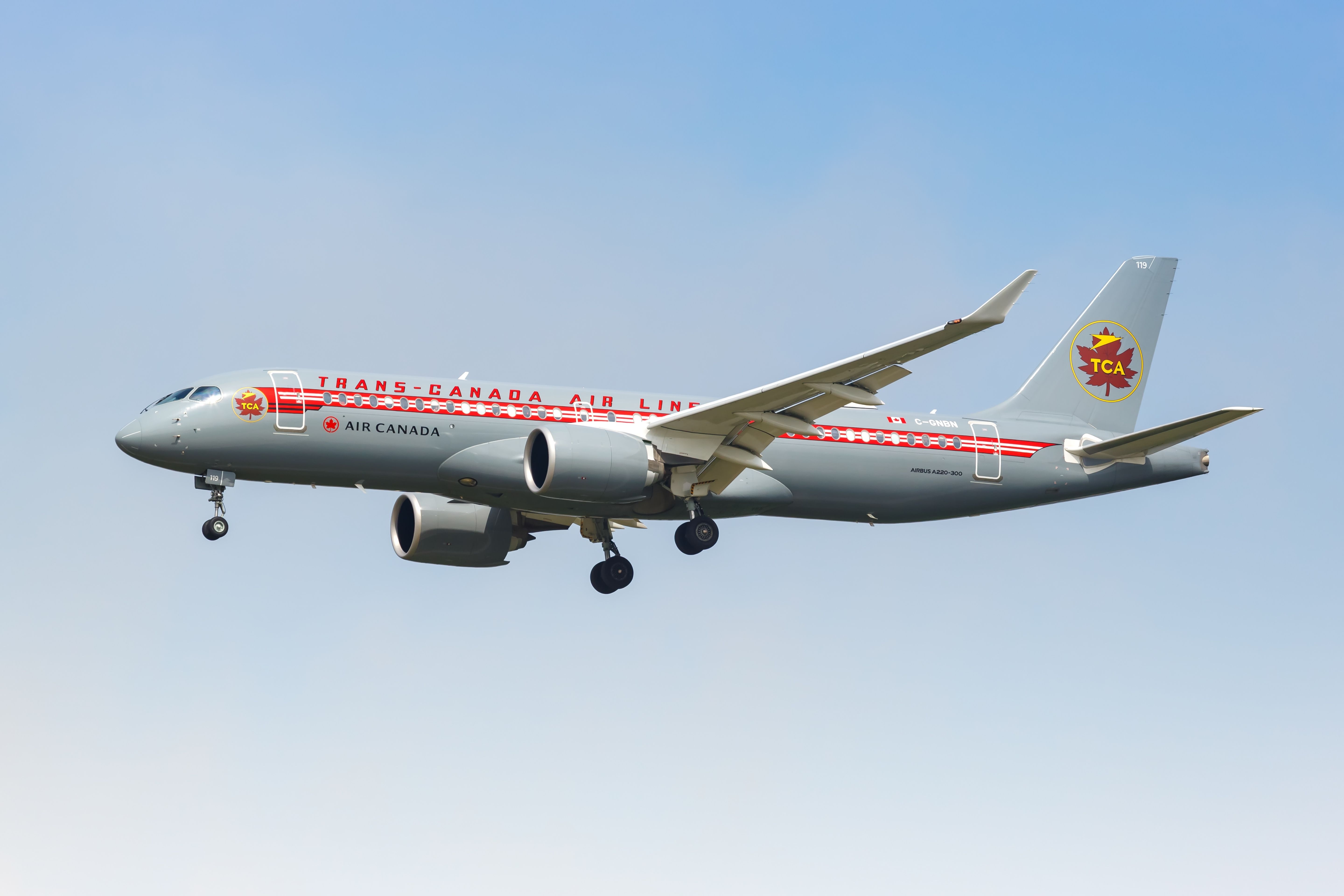
Photo: Markus Mainka | Shutterstock
Addressing these problems, Airbus Canada Limited Partnership (ACLP), a joint venture between Airbus and the government of Quebec, issued flight operations transmission (FOT) to provide recommendations and procedures to follow if the autothrottle disconnects during takeoff.
At the time, TC warned that the autothrottle could not be re-engaged if it disconnects on takeoff above 60 knots (111.12 kilometers per hour) and below 400 feet (121.9 meters).
“Crews should not attempt to re-engage the autothrottle if it becomes disconnected on takeoff as this may lead to an unsafe condition if the autopilot is inadvertently engaged.”
.jpg)
Related
FAA: Inadvertent A220 Autopilot Engagement Almost Caused A Pair Of Catastrophic Incidents
The FAA has issued an Emergency Airworthiness Directive for the Airbus A220 to make pilots aware of the dangers.
New software installation
The newest airworthiness directive (AD) superseded the EAD, issued in November 2022, retaining the requirement to amend the AFM and mandating airlines to install new PFCC software. TC noted that this software will become the new production baseline going forward.
“These deficiencies and lack of PFCC software robustness, if not corrected, could lead to increased flight crew workload as well as a large reduction of safety margins. Additionally, during specific flight phases or in combination with other failures, these conditions could lead to loss of control of the aeroplane.”
Now, airlines operating the A220-100 (manufacturer serial number (MSN) from 50001 through 50078) and A220-300 (MSN from 55001 through 55298) have to install the new PFCC software within 24 months of the effective date of the AD, which is November 5, 2024. Installing the software will terminate the requirement to amend the AFM, TC highlighted.
According to ch-aviation data, MSN 50077 is an A220-100 that ACLP delivered to Bulgaria Air on September 5, while MSN 55298 is an A220-300 that Cobham Aviation Services Australia – Airline Services, a regional subsidiary of Qantas, took delivery on September 11.
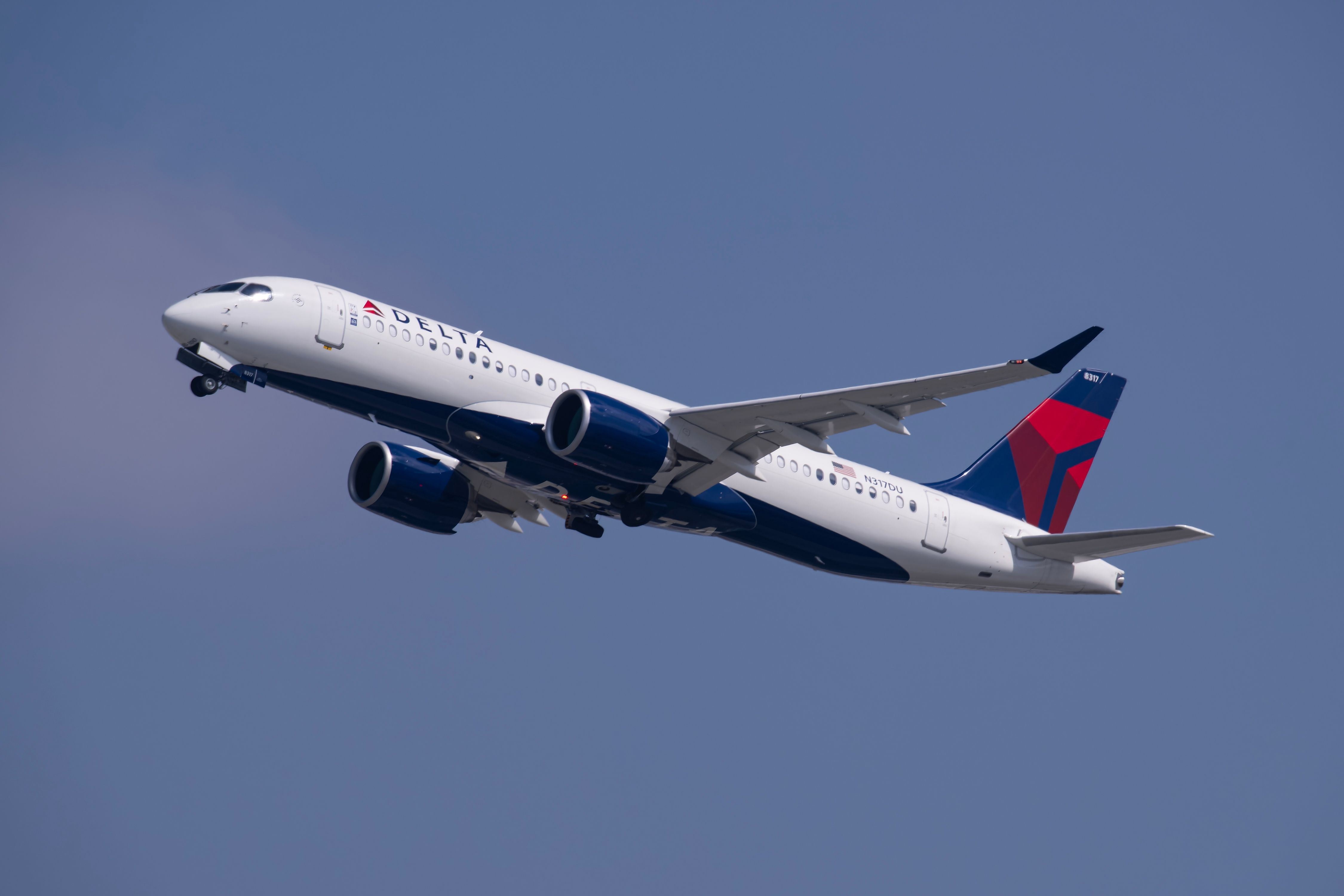
Photo: Robin Guess | Shutterstock
Since September 11, ACLP delivered seven A220 aircraft: one A220-100 and six A220-300, including the Qantas Airbus A220. The site estimates that  Delta Air Lines and ITA Airways should welcome two and one A220-300 in October, respectively.
Out of the ten aircraft, including the trio of estimated deliveries, four MSNs fall within the range of serial numbers outlined by TC.
The European Union Aviation Safety Agency ( EASA) adopted the TC directive on October 23, while the Federal Aviation Administration ( FAA) is yet to do so.
There are 138 active, stored, or in-maintenance A220 aircraft in the US, ch-aviation data showed.
Related
Transport Canada Emergency AD: Check Airbus A220 Planes For Missing Pins Within 24 Flight Cycles
The potentially missing pins are located in the main landing gear (MLG) of the Airbus A220-100 and A220-300.
