

FAA Proposes Fluorescent Penetrant Inspections Of 2,988 GE Engines Installed On US Aircraft


The Federal Aviation Administration (FAA) has warned that following a predicted reduction in the cyclic life of the combustion chamber assembly (CCA) of certain GE Aerospace
CF34 engines, the assembly could fail and potentially result in an uncontained engine failure.
The CF34 engines power the Embraer
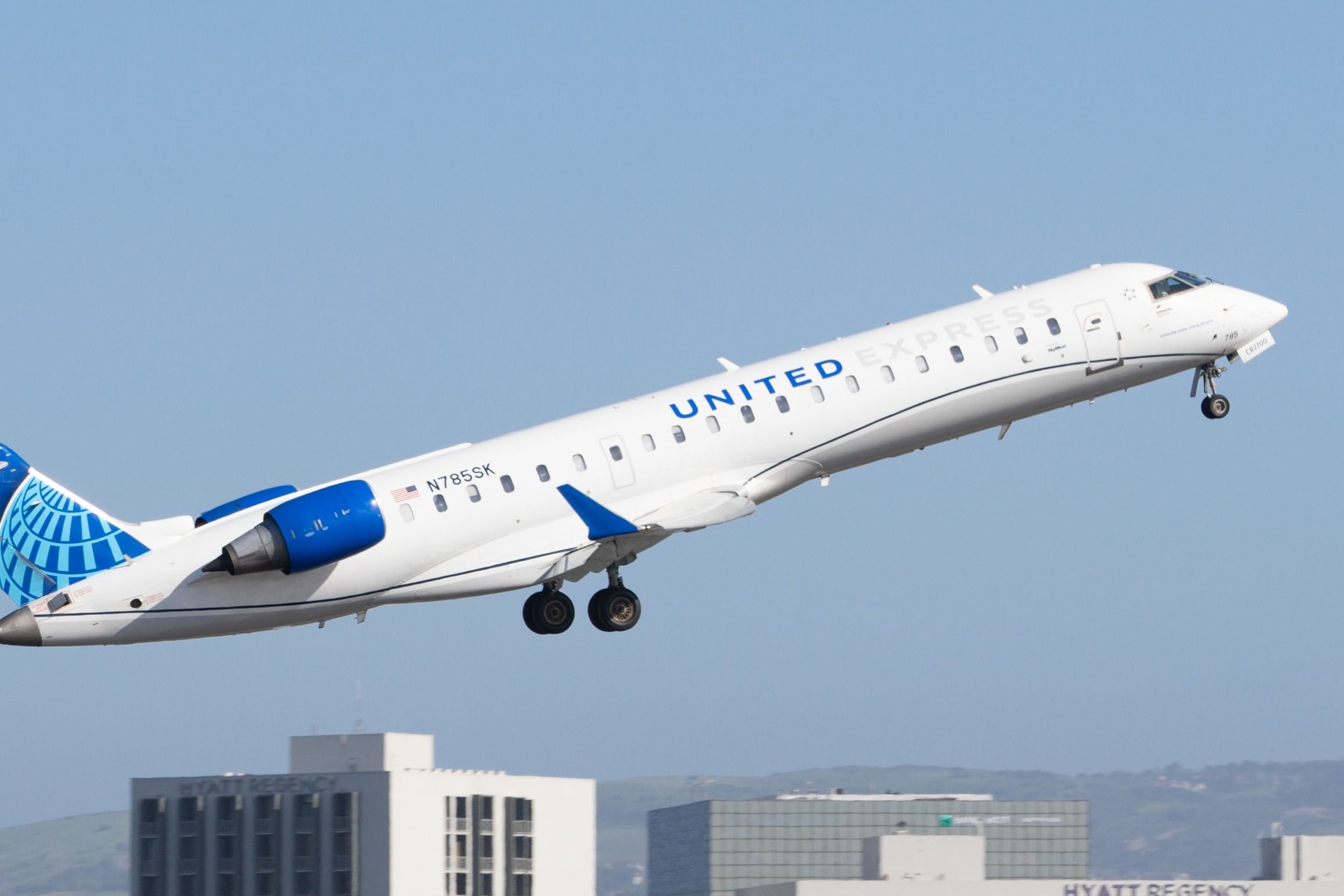
E170, E175, and E190, as well as the Mitsubishi (ex-Bombardier) CRJ100, CRJ550, CRJ700, CRJ900, and CRJ1000 aircraft.
Reduction in the cyclic life
Explaining its decision to issue the notice of proposed rulemaking (NPRM) that will result in a final rule airworthiness directive (AD), the FAA
said that a predicted reduction in the cyclic life of the CCA prompted the proposed AD.
“This proposed AD would require fluorescent penetrant inspections (FPIs) of the CCA for any indications and replacement if necessary. The FAA is proposing this AD to address the unsafe condition on these products.”
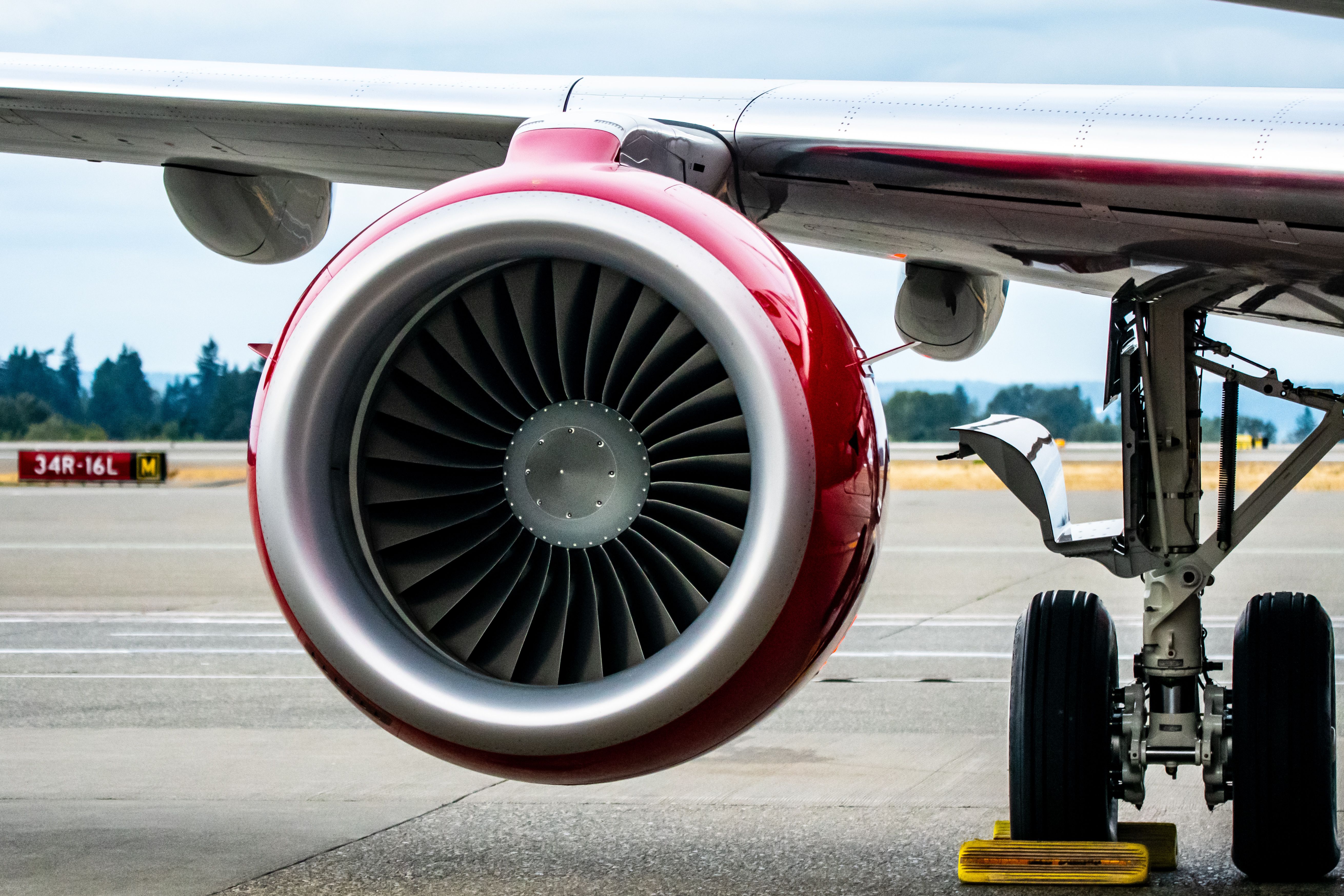
Photo: Joe Kunzler | Simple Flying
According to the FAA, GE Aerospace conducted analysis during a ream repair of the aft flange bolt hole of the high-pressure compressor (HPC). The manufacturer concluded that the cyclic life of the CCA forward flange bolt holes adjacent to the compressor case horizontal split line was lower than the current limit.
“This condition, if not addressed, could result in failure of the CCA before reaching the published life limit, uncontained release of the CCA, damage to the engine, and damage to the airplane.”

Related
Embraer Sees No Change To US Scope Clause That Would Call For E175-E2 Development Resumption
Embraer’s executives said there was little movement to lift scope clause limitations at regional airlines in the United States.
FPIs and potential CCA replacements
The FAA estimated that if the AD were finalized without significant changes to the NPRM, the directive would affect 2,988 engines in the United States. An FPI to examine the CCA forward flange would take eight working hours, costing operators $680 per aircraft.
However, replacing the CCA would cost operators $647,580 per aircraft, with an estimated $646,900 in parts and $680 in labor expenses (for eight working hours). In the US, all operators would have to spend $24.5 million to replace all CCAs.
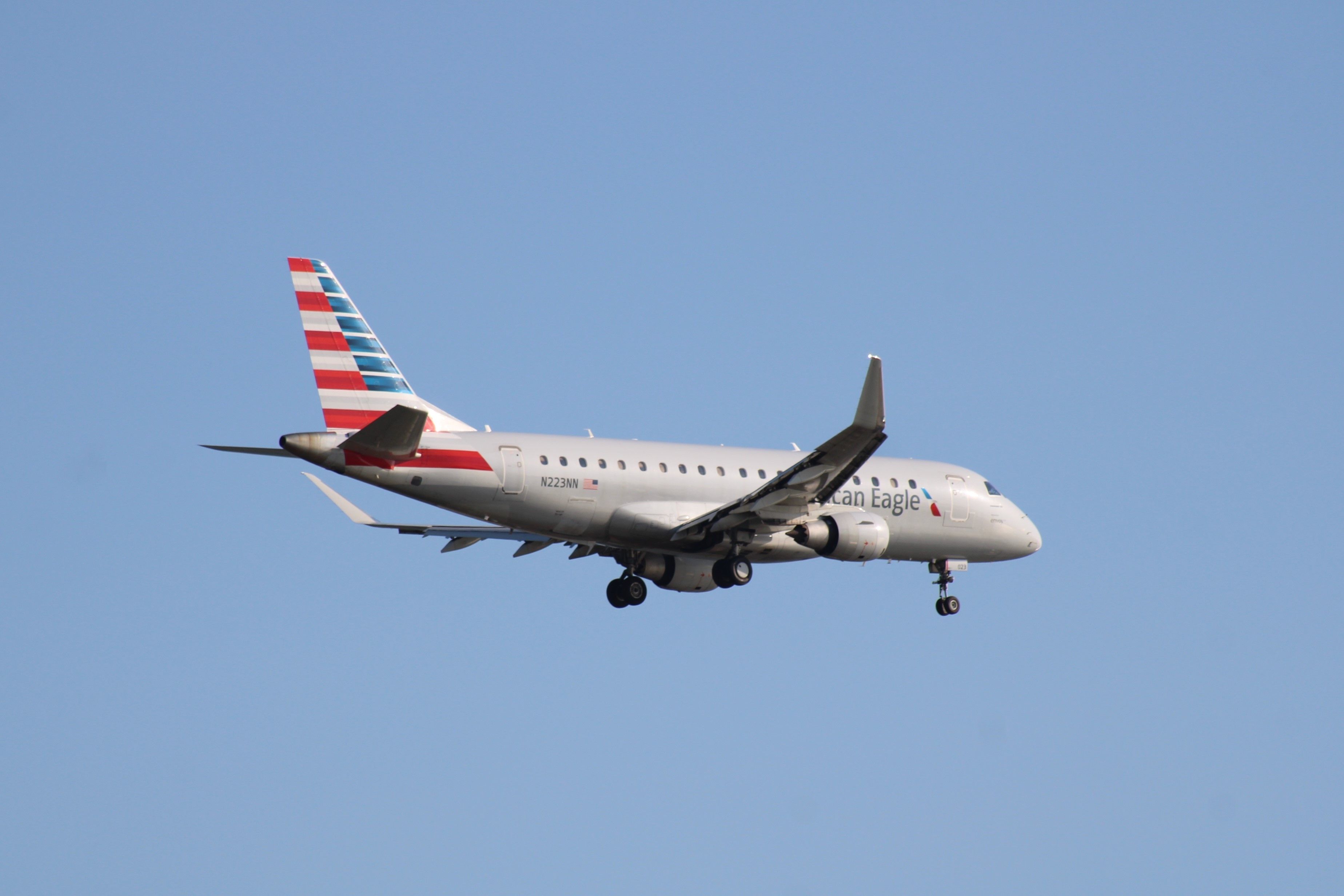
Photo: The Global Guy | Shutterstock
According to the FAA, for engines with a CCA with fewer than 15,000 part cycles since new (PCSN) as of the effective date of the directive, once it is published, operators will have to remove the part before it reaches 28,500 PCSN (group 1). Group 2 engines, which have CCAs with fewer than 15,000 PCSN, the parts have to be removed before the PCSN climbs to 25,500.
If an operator has a CCA with between 15,000 and 24,999 PCSN as of the effective date of the AD, the part will have to be examined with an FPI before it reaches 25,000 PCSN. In the case that the CCA does not have to be changed immediately, the part will have to be removed and replaced within 15,000 part cycles from the date of the FPI. However, the CCA must not exceed 41,100 PCSN.
Related
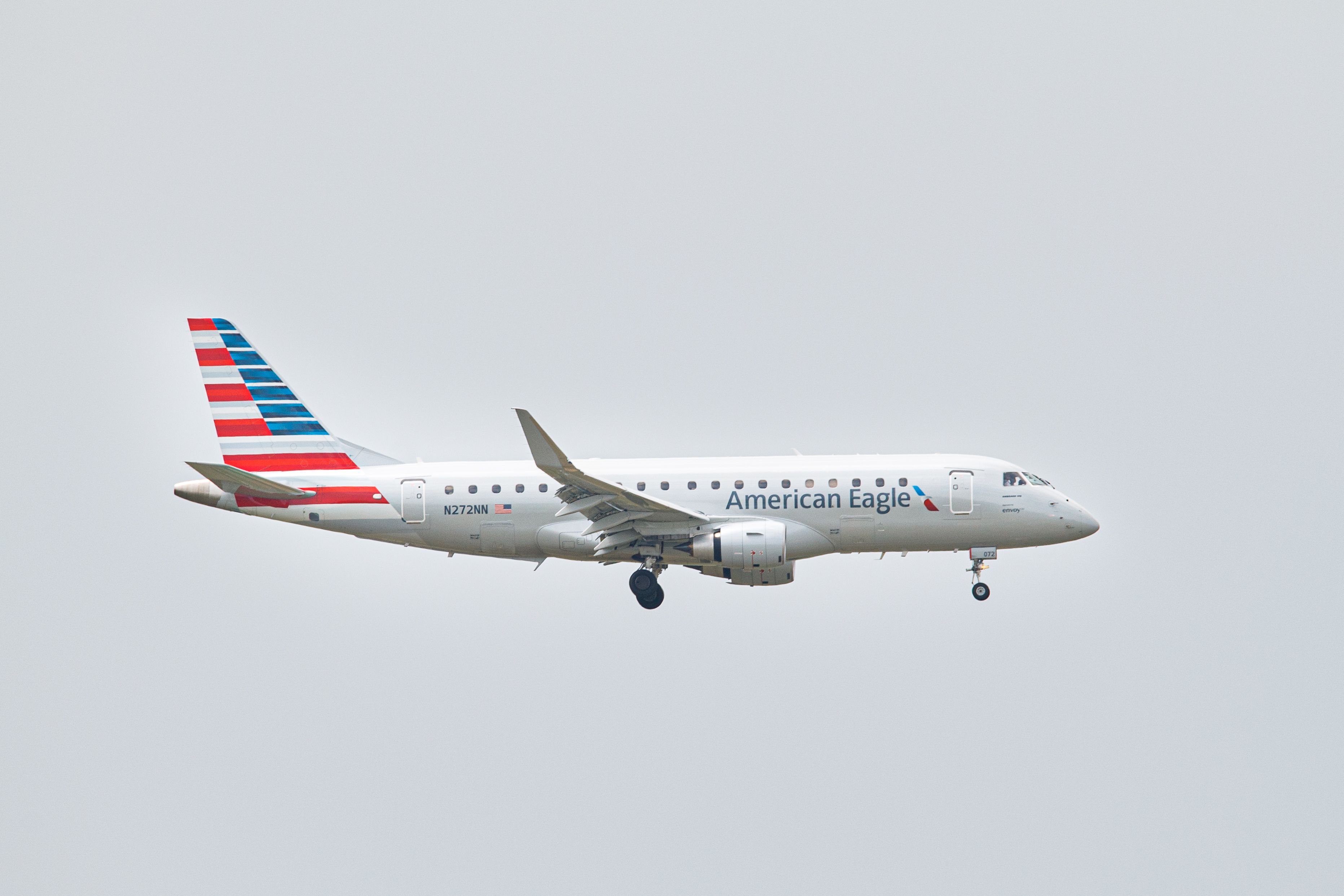
New: Envoy Air Takes Delivery Of 121st Embraer E175
Envoy Air takes delivery of its 121st Embraer E175, marking a key milestone in fleet modernization.
$265 million of replacements in the next 12 years
The FAA also estimated that with an average CCA utilization of 2,143 part cycles per year, 369 engines will require CCA replacement at 28,500 PCSN, while 855 CCAs will have to be replaced at 25,500 PCSN.
Meanwhile, the majority, namely 1,764 CF34 engines, will have to be replaced at 40,000 PCSN. Between 2024 and 2036, replacements will cost US-based operators $265 million at a 2% financial discount rate (all engines for all operators).
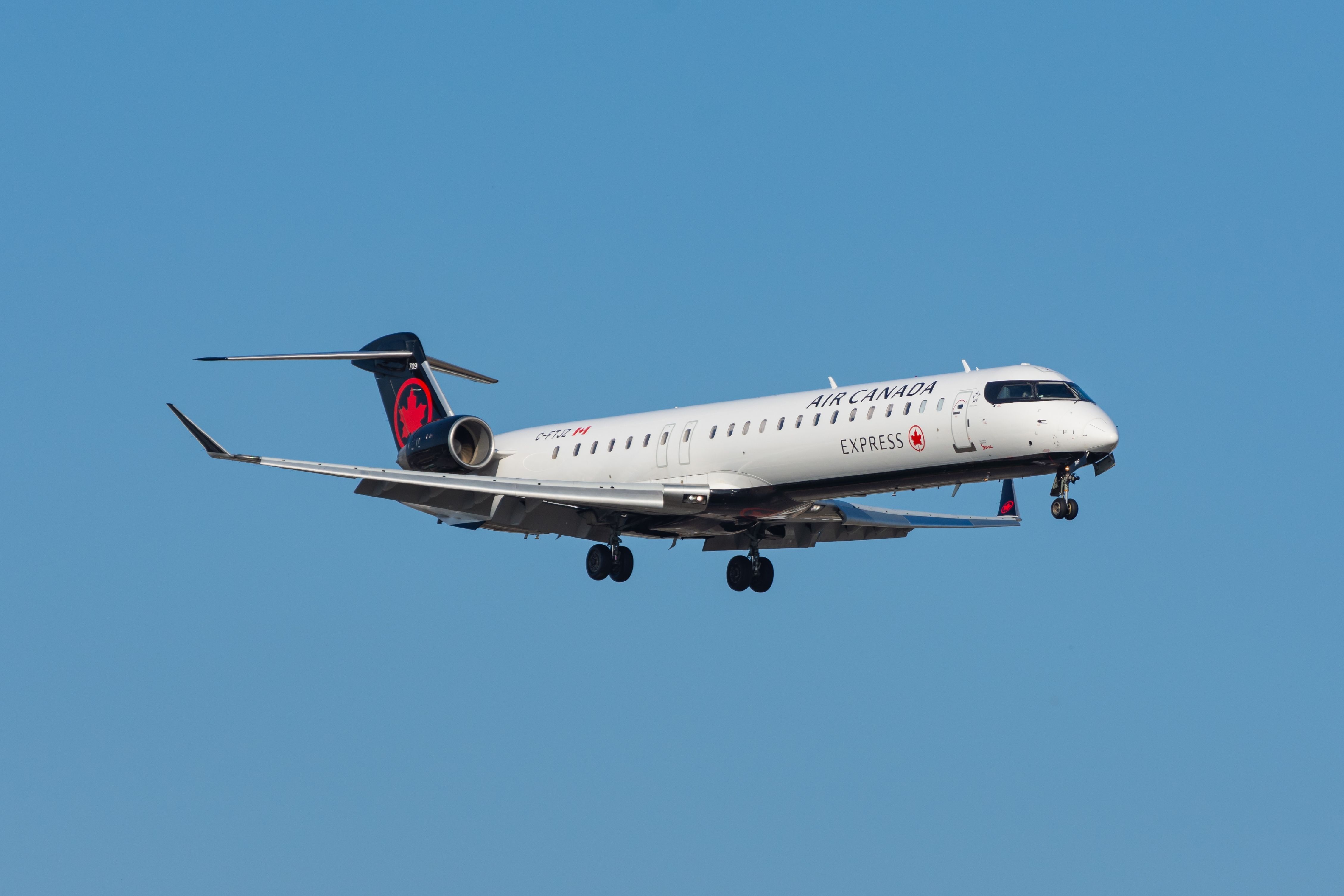
Photo: Minh K Tran | Shutterstock
Ch-aviation fleet records showed that in the US, airlines and operators have 707 E170
, E175
, E190, and E195 aircraft that are active, stored, or undergoing maintenance. Meanwhile, 843 CRJ100, CRJ200, CRJ700 (including CRJ550), and CRJ900s
are flying, in storage, or in maintenance in the country.
Related
SkyWest Reports $90 Million Profit Q3 & Confirms Contract With United Airlines To Operate 40 CRJ550s
SkyWest Airlines has already converted two CRJ700 aircraft into the more premium CRJ550.
