


Summary
- A Southwest aircraft flew dangerously low while landing at Oklahoma City airport recently.
- The incident prompted ATC to check with the pilots of the aircraft about their altitude.
- In April, another Southwest aircraft had come within 400 feet of the ocean while approaching Lihue Airport.
A Southwest Airlines aircraft came significantly close to the ground when it was still miles away from the airport runway in Oklahoma City. The incident triggered a low-altitude warning, prompting the air traffic control to check the situation with the pilots.
Too close to the ground
On Wednesday morning after 00:00, a Southwest Boeing 737-800 came too close to the ground while nine miles from Oklahoma City’s Will Rogers World Airport. The aircraft was performing a flight from Las Vegas and was cleared to land using a visual approach from the northwest.
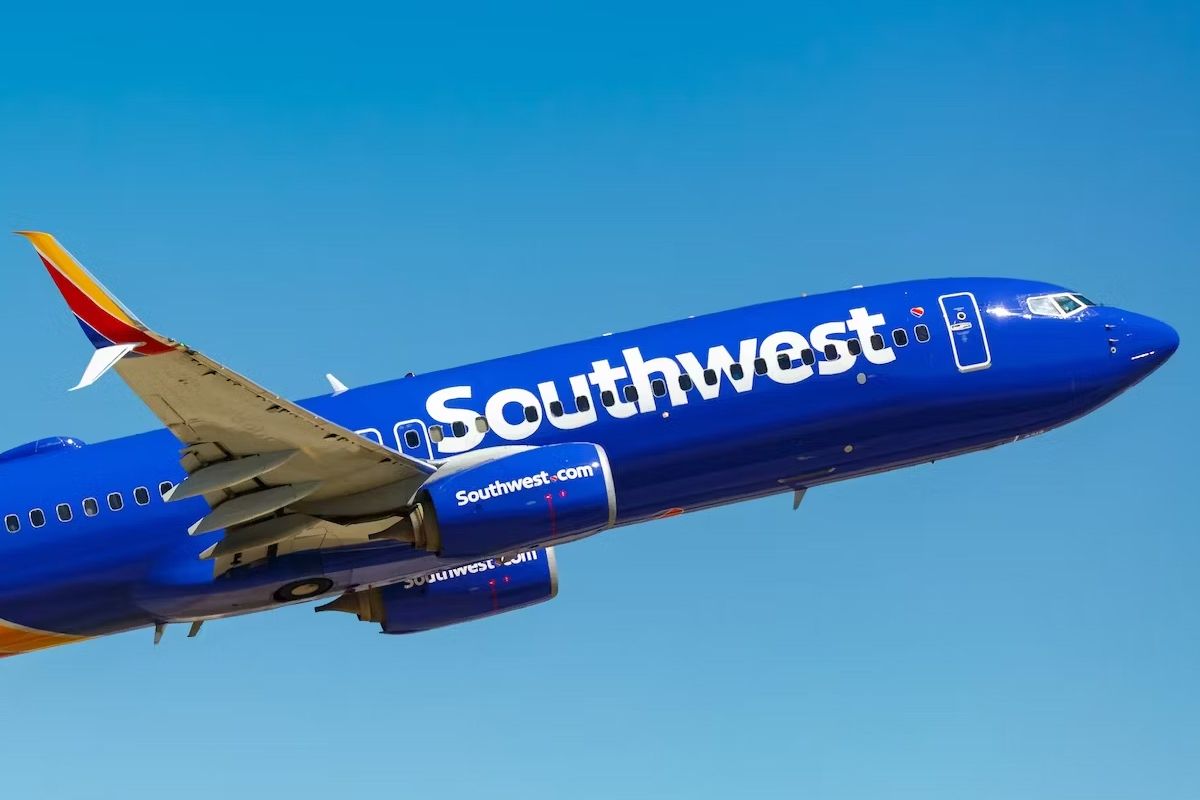
Photo: Markus Mainka | Shutterstock
However, the 737 descended to around 500 feet and flew low over Yukon High School, according to The Oklahoman. The anomaly in the altitude also triggered a warning from the air traffic control, with the controller prompted to ask Southwest pilots,
“Southwest 4069, low altitude alert. You doing OK?”
The cockpit crew responded that they were going around; they received ATC instructions to maintain 3,000 feet. It wasn’t long before the aircraft regained altitude and landed safely at the airport.
However, this did cause some disturbance over the area where the 737 flew low, with one of the residents quoted by The Oklahoman as saying, “It woke me up and I thought it was gonna hit my house.” A Southwest spokesperson commented,
“Southwest is following its robust Safety Management System and is in contact with the Federal Aviation Administration to understand and address any irregularities with the aircraft’s approach to the airport. Nothing is more important to Southwest than the safety of our customers and employees.”
Previous incident
The incident in Oklahoma City comes just a few months after a Southwest Boeing 737 MAX 8 came within 400 feet of the ocean while approaching Lihue Airport. The incident happened on April 11 on Southwest Airlines Flight 2786.
The aircraft experienced a severe drop in altitude and descended hundreds of feet in a few seconds before recovering just 400 ft above the ocean’s surface. The reason behind this was said to be pilot error by an inexperienced First Officer. Thankfully, nobody was injured.
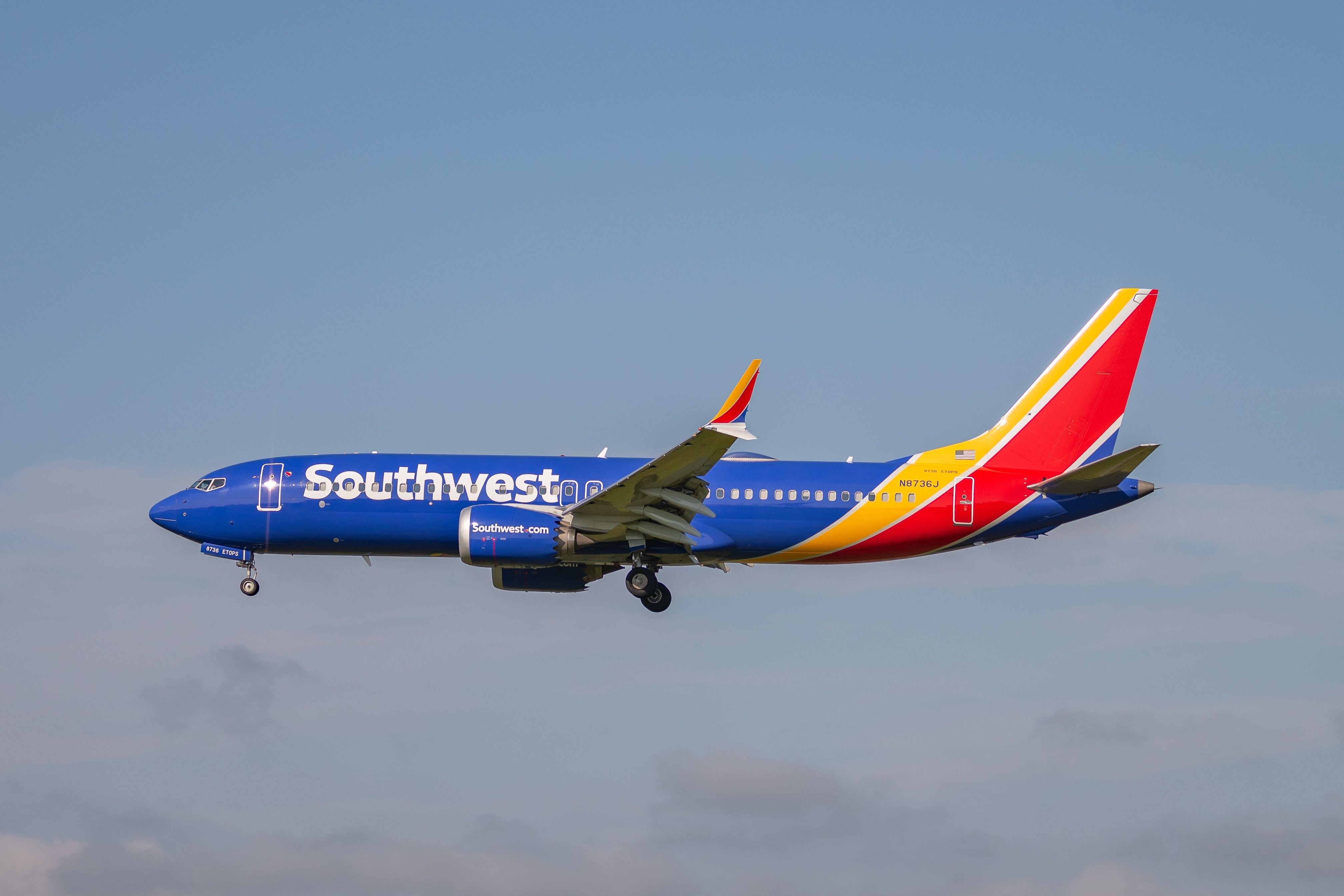
Photo: dorengo5 | Shutterstock
Incidents like these have happened in the past. In 1978, Olympic Airways flight 411, a Boeing 747, from Athens to New York came dangerously close to the ground over the Greek capital city. Thankfully, it managed to avert a disaster.
Ground Proximity Warning System
Aircraft are equipped with the Ground Proximity Warning System (GPWS), which alerts pilots when they are too close to the terrain and the possibility of a collision. The ICAO mandated it be fitted in all aircraft in 1979 following a study in previous years sparked by several Controlled Flight Into Terrain (CFIT)- related accidents.
Today, it remains an important piece of safety instrument that pilots rely on in case the aircraft gets too close to the ground. Simple Flying has done a detailed analysis of how it works and its importance in the article below.
.jpg)
Related
What Is The GPWS & Why Is It Important?
One of the many critical systems of modern flight decks.
What are your views on this? Please leave a comment below.
