


Engaged in a proxy war with an activist investor,  Southwest Airlines
has unveiled its plan, marketed as Southwest. Even Better.’ to transform its customer experience and, at the same time, drive revenue growth and hopefully restore the airline’s industry-leading profitability.
The changes were unveiled just ahead of its investor day on September 26, where the airline’s executives will go into detail about its plans to transform Southwest Airlines by 2027.
A new era at Southwest Airlines
Commenting on the announcement about Southwest Airlines’ planned changes, Bob Jordan, the president and chief executive officer (CEO) of the airline, said that the carrier has been ushering in a new era at Southwest Airlines.
“[Southwest Airlines is] moving swiftly and deliberately to transform the Company by elevating the Customer Experience, improving financial performance, and driving sustainable shareholder value.”
The airline’s statement emphasized that its transformational plan was guided by data-driven research. As a result, the carrier has promised more choices for its passengers while still preserving aspects of its brand to remain unique compared to the competition.
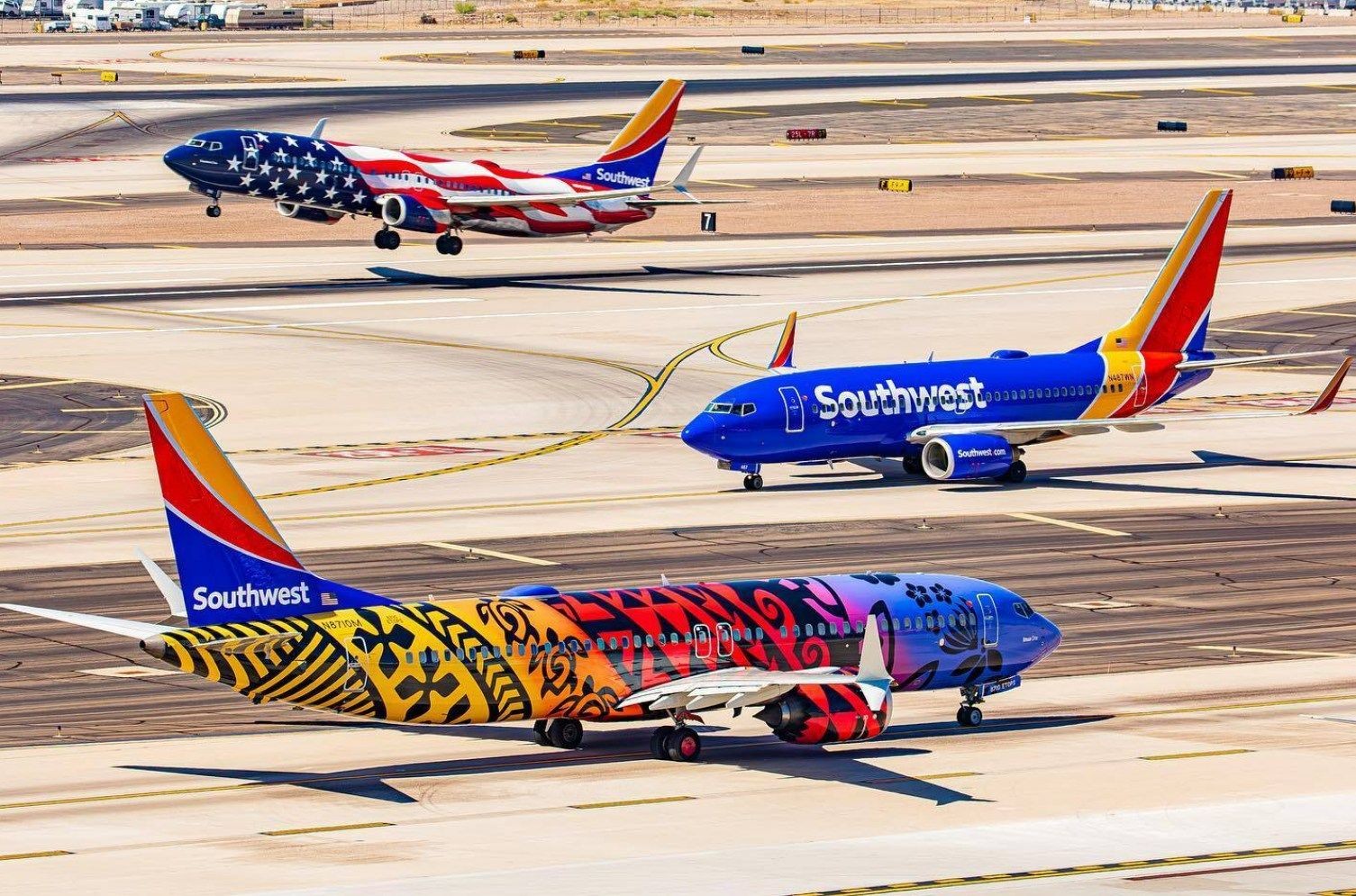
Photo: Southwest Airlines
Nevertheless, the changes at Southwest Airlines have come as the airline has been engaged in a proxy war with an activist investor, Elliott Investment Management (Elliott).
Elliott has called for the removal of the airline’s management, including Jordan, Gary Kelly, the former CEO and current chairman, and the rest of the executive board.
Elliott was not satisfied by these moves and reiterated its goal of removing Jordan from his position, which will include a call for a special meeting that could be sent to the carrier’s shareholders as soon as the next few weeks.
Transforming the customer experience
Southwest Airlines outlined four key points that should transform its business. First, the airline said the customer experience had to be amended due to passengers’ changing needs and expectations.
As a result, Southwest Airlines will drop its free-for-all seating model, with the airline highlighting that 80% of its customers and 86% of passengers flying with other airlines have wanted assigned seats.
“Southwest flies farther than ever, and seat assignments are a higher priority on long-haul flights.”
The assigned seats should go on sale in H1 2025, and the first flights will be operated with the airline’s new revenue stream in H1 2026. Southwest Airlines announced the changes in July.
At the same time, the airline said it would evolve the boarding process while focusing on operational efficiency and a better passenger experience. It added that while the new process will maintain the current approach, its most loyal customers and those who purchased premium seating will board first.
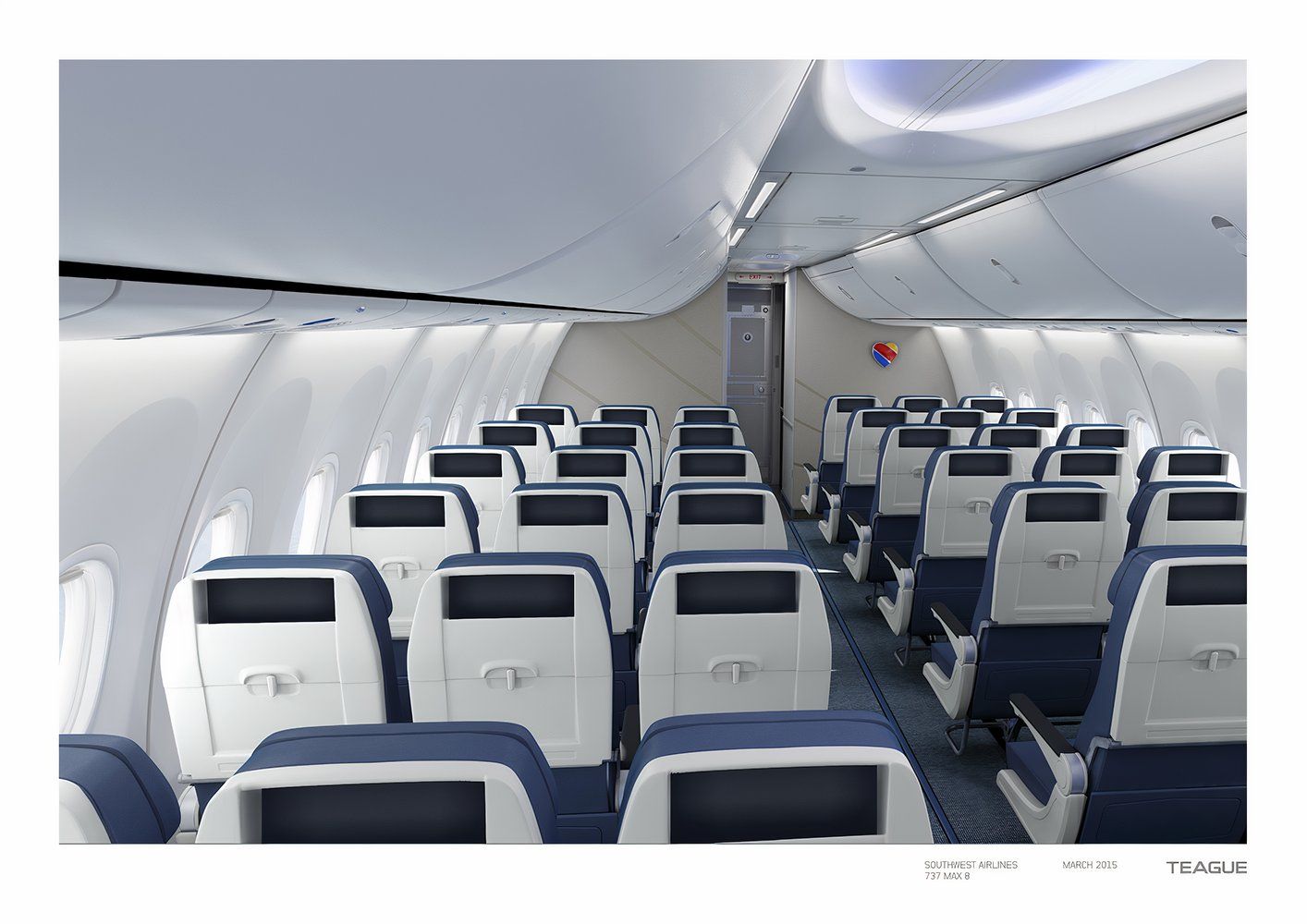
Photo: Southwest Airlines
Further passenger experience adjustments include premium seating, with the carrier once again citing market research indicating passengers’ desire to have an assigned seat with extra legroom from business and leisure travelers.
Responding to the market’s demand, the airline will introduce seats with an additional five inches (12.7 centimeters) of pitch for around a third of its seats while still maintaining a standard economy seat pitch that was “among the best in the industry.”
However, it will maintain its bags fly free policy. In its presentation to investors, Southwest Airlines estimated that while the potential bag fee revenue ranged between $1 billion and $1.5 billion, it would lose approximately $1.8 billion in market share if it were to change that policy.
Ryan Green, the executive vice president (EVP) of commercial transformation of Southwest Airlines, remarked that the airline has already started rolling out passenger experience improvements, including improved WiFi, in-seat power, larger overhead bins, and other measures.
International airline parterships
In an unexpected move, Southwest Airlines said that among its plans to improve revenue generation, it will introduce partnerships with international airlines, starting with Icelandair
.
The move should “expand its network and connect Customers with more global destinations to generate additional demand for travel across the Southwest network.”
The partnership will be initially based at Baltimore/Washington International Thurgood Marshall Airport (BWI), with the two carriers planning to expand the number of US gateways for the pair throughout 2025.
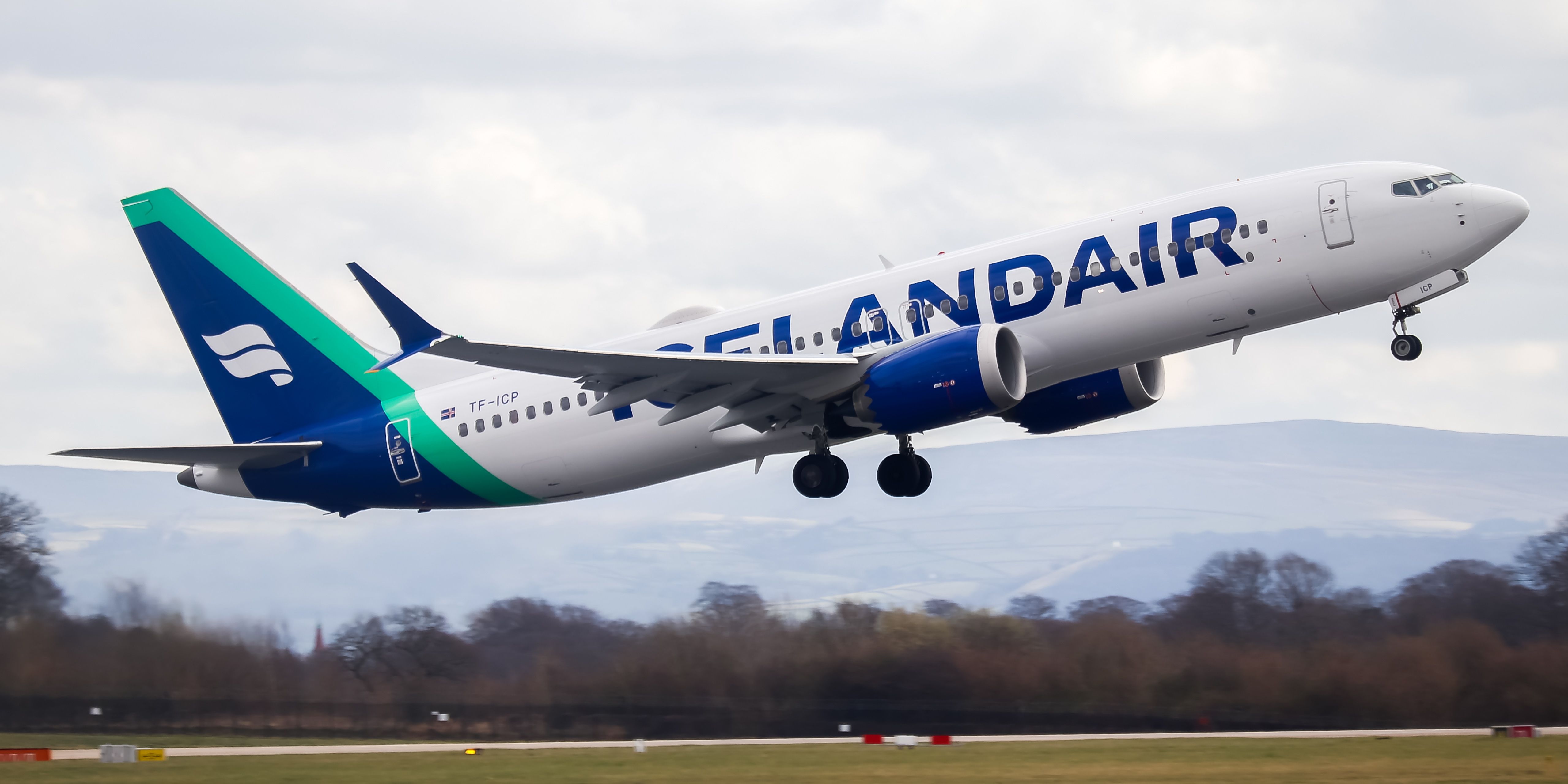
Photo: Bradley Caslin | Shutterstock
Southwest Airlines teased that it expects to add at least one airline as a partner in 2025.
In another move to improve its revenue generation potential, it will launch Gateways by Southwest. The product will offer passengers unique vacation packages, which will include the airline’s friendly customer policies.
Lastly, it will improve its Rapid Rewards
loyalty program. Throughout the transformation, all members will earn and redeem points at the same rate – with key benefits remaining – yet its tier benefits will be updated to improve the value proposition to A-List and A-List Preferred Members.
Utilizing its aircraft 24 hours per day
The airline said that it would also focus on operational efficiencies to not only mitigate cost pressures and modernize processes but also to fund its capacity growth over the next three years.
As announced previously, Southwest Airlines will launch red-eye flights in key markets in February 2025. In the investors’ presentation, the airline outlined that the red-eye flights will provide the following opportunities:
- Additional revenue while utilizing the same aircraft for longer periods of time
- Generate more value within its network
-
Unlock customer value, especially in such markets as
Hawaii
In terms of Hawaii, the airline also outlined that its revenue per available seat mile (RASM) has been steadily improving month-over-month. Still, it will remove intra-island flying and some connections to the West Coast.
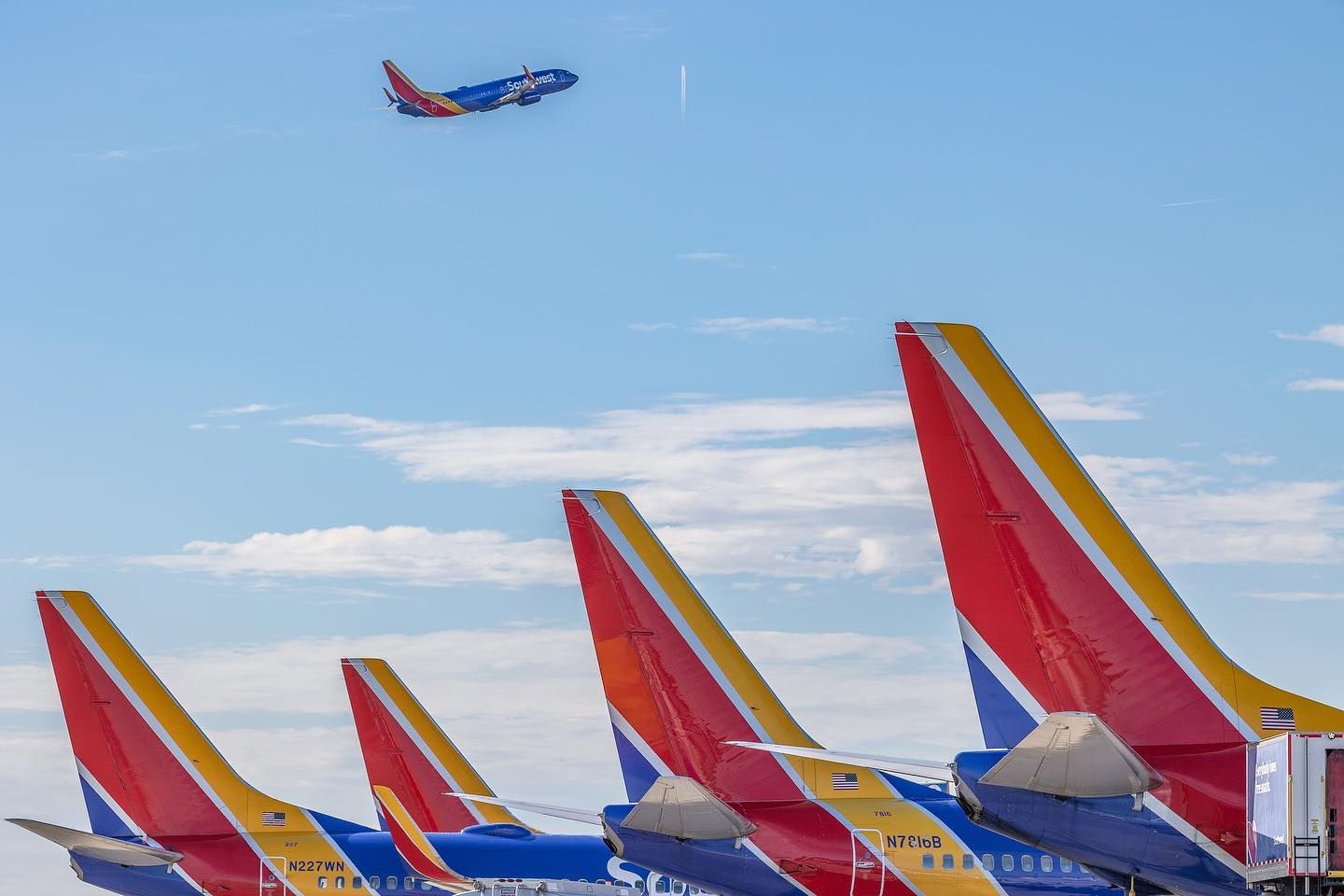
Photo: Southwest Airlines
In addition, Southwest Airlines highlighted that an exemplary red-eye from Honolulu Daniel K. Inouye International Airport (HNL) to Las Vegas Harry Reid International Airport
(LAS) should generate 50% more itineraries for customers flying onward in the morning.
Another efficiency-related initiative was further reducing aircraft turn-around time (TAT). While Southwest Airlines highlighted that its TAT has been the best in the past 12 months, it said that leveraging technology to improve the time it takes for the aircraft to leave the gate after arriving should result in the equivalent of 16 aircraft by November 2025.
That will depend on whether all of the carrier’s stations are able to improve on the current TAT of 45 minutes.
Sustainable profitability goal
The last part of Southwest Airlines’ transformation plan was the goal to ensure sustainable profitability over the long term.
To achieve this, the company outlined three key elements, starting with cost discipline, aiming to deliver an estimated $500 million of cost savings in 2027. This should be achieved by reduced hiring, optimized scheduling efficiency, and improvements to corporate efficiency.
It will also strategically manage its fleet, which should reduce its average aircraft capital expenditures (CapEx) by around $500 million through 2027.
While the airline did not share many details, it said that it has been pursuing opportunities to “monetize the value of its fleet order book and drive a significant fleet modernization,” which should result in an average fleet age of just five years in 2031.
Ch-aviation data showed that Southwest Airlines’ aircraft, on average, are 8.3 years old, with the airline having a significant Boeing 737 Max
backlog of more than 470 aircraft.
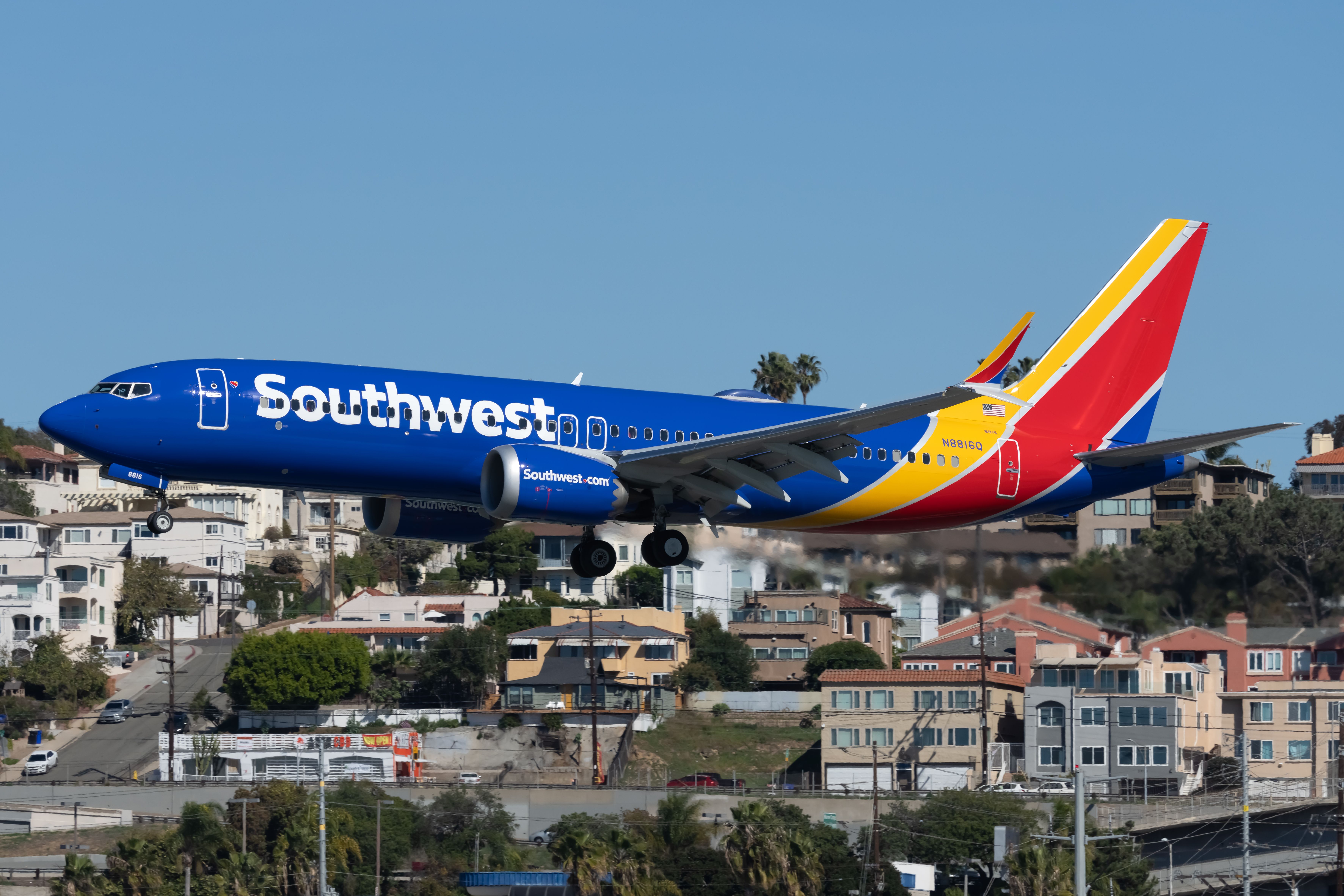
Photo: Vincenzo Pace | Simple Flying
However,  Boeing’s
recent issues have resulted in significant delivery delays that eventually turned into somewhat of a blessing in disguise. Southwest Airlines commented that industry capacity has been moderating in domestic and near-international (Canada, Caribbean, and Mexico) markets.
The airline added that supplier issues, including Airbus’ delivery delays and network rationalization, have suggested that capacity will continue to be constrained in the near future.
Southwest Airlines said that it will reallocate its capital, minimizing CapEx related to aircraft, instead utilizing that cash to improve infrastructure and operations.
Its goal is to preserve the investment-grade balance sheet while also returning capital to shareholders via dividends and share repurchases.
“The Board of Directors today approved a $2.5 billion share repurchase program, reflecting the Board’s confidence in the strategic plan and new revenue-generating initiatives, and in management’s ability to execute.”
In the following three years, the company has set out to achieve a cumulative run rate earnings before interest and taxes (EBIT) contribution of around $4 billion in and a return on invested capital of 15% or more by 2027.
Improving its guidance
In a turnaround of a recent trend, Southwest Airlines has also updated its Q3 guidance on September 26.
The airline said that its RASM, which was previously expected to be flat or down 2% year-on-year (YoY), should now be up from 2% to 3%, while its economic fuel costs per gallon should also improve by $10 cents to $20 cents compared to its previous guidance.
Photo: Felipe I Santiago | Shutterstock
However, by the end of the year, Southwest Airlines still expected to operate 802 aircraft. Despite this, its available seat miles (ASM), which were previously estimated to be flat YoY, should grow by around 4% YoY.
